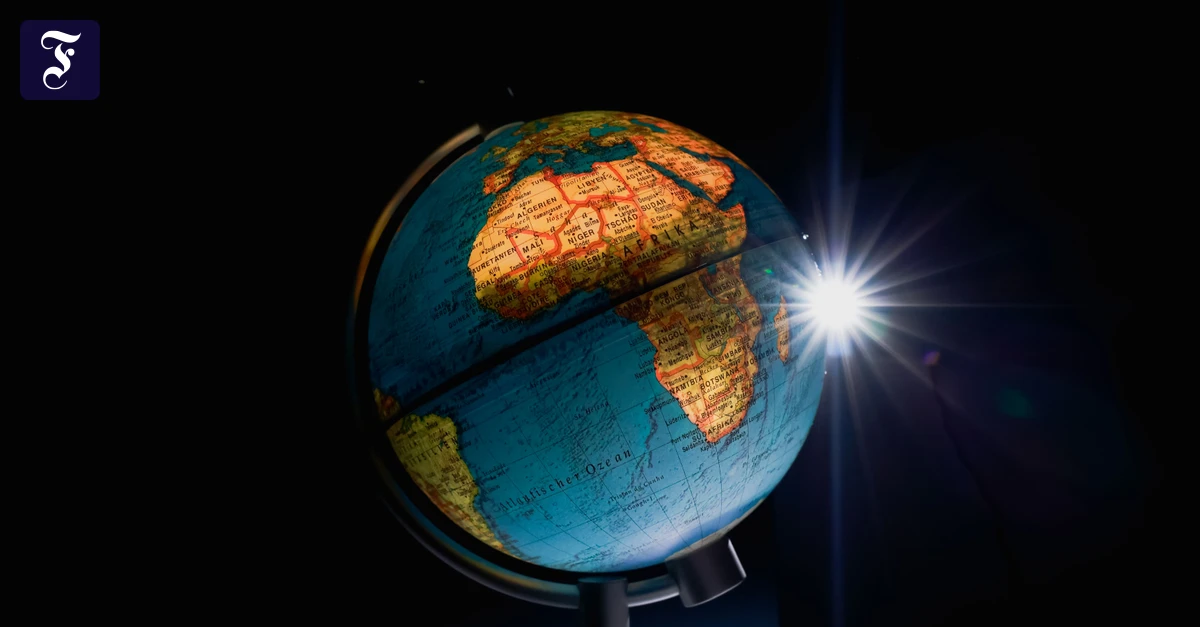
Africa’s Economic Rise: Outpacing Asia for the First Time in Decades
For the first time in decades, Africa is poised to experience faster economic growth than Asia. The International Monetary Fund (IMF) projects a 4.4% growth rate for the 54 African nations in 2024, compared to 4.1% for China and its Asian neighbors. The IMF’s January 2024 World Economic Outlook Update highlights this shift, despite ongoing conflicts in Sudan, the Democratic Republic of the Congo, Ethiopia, and the Sahel region. While India continues to demonstrate strong growth, China’s era of double-digit expansion is firmly in the past.
This potential reversal of fortune isn’t simply a matter of luck. Several factors are converging to create a more favorable economic environment across the African continent. While historically hampered by infrastructure deficits and fragmented markets, Africa is increasingly benefiting from a confluence of global trends and internal reforms. The continent’s demographic profile, with a young and rapidly growing population, presents a significant opportunity for economic development, provided sufficient investment in education and job creation is made. Africa and China both have similar population sizes, but China’s economy is approximately seven times larger, a disparity rooted in decades of focused investment in key sectors.
From Commodity Dependence to Diversification
For many years, African economies have been heavily reliant on the export of raw materials. However, a number of nations are actively pursuing diversification strategies, mirroring the path taken by China decades ago. The current global economic landscape, characterized by a weaker US dollar – in which many international transactions are conducted – and elevated prices for commodities like gold and copper, is providing a boost to African economies. Zambia, for example, plans to triple its copper production over the next six years, capitalizing on increased demand and favorable pricing. Reuters reported in January 2024 that the country is actively seeking investment to achieve this ambitious goal.
Côte d’Ivoire, the world’s largest cocoa producer, is a prime example of this diversification in action. Under the leadership of President Alassane Ouattara, the country is investing in ports, industry, and the extraction of gold and oil, moving beyond its traditional agricultural base. A stable political environment and efforts to improve governance are intended to attract foreign investment. Similar initiatives are underway in Kenya, Ethiopia, Benin, and Rwanda, where governments are prioritizing investment and implementing structural reforms. These reforms aim to improve the business climate, attract foreign direct investment, and foster sustainable economic growth.
A Continent on the Move: Growth Leaders and Emerging Trends
The dynamism of the African economy is reflected in recent growth figures. Eleven African countries were among the top 20 fastest-growing economies globally in the past year. This includes nations like Ethiopia and Rwanda, which, while often characterized as authoritarian, have demonstrated impressive economic performance. This echoes the Chinese model of prioritizing economic development, even within a restrictive political framework. However, it’s crucial to note that sustainable and inclusive growth requires more than just high GDP numbers; it demands improvements in governance, human rights, and social equity.
The African Continental Free Trade Area (AfCFTA), launched in 2021, is a landmark agreement aimed at creating a single market for goods and services across the continent. The African Union’s AfCFTA website details the agreement’s objectives and progress. While implementation is ongoing and faces challenges, the AfCFTA has the potential to significantly boost intra-African trade, reduce tariffs, and stimulate economic integration. The World Bank estimates that the AfCFTA could increase intra-African trade by as much as 52.2% by 2035.
The Role of China and Shifting Global Dynamics
China’s growing economic influence in Africa is undeniable. Chinese investment in infrastructure, particularly in transportation and energy, has been substantial. China’s digital payment systems are rapidly expanding across the continent, offering alternatives to traditional banking services and facilitating trade. The South China Morning Post reported in January 2024 that this expansion is occurring against the backdrop of ongoing trade tensions with the United States. However, this relationship is not without its complexities. Concerns have been raised about debt sustainability and the potential for neocolonialism, prompting calls for greater transparency and responsible lending practices.
The weakening of the US dollar, a consequence of factors such as US monetary policy and global economic uncertainty, has also played a role in Africa’s economic fortunes. As many African countries conduct trade in US dollars, a weaker dollar makes their exports more competitive and reduces the cost of servicing dollar-denominated debt. This provides a temporary advantage, but African nations need to diversify their economies and reduce their reliance on a single currency to ensure long-term stability.
Challenges and Opportunities Ahead
Despite the positive outlook, significant challenges remain. Political instability, corruption, and inadequate infrastructure continue to hinder economic progress in many African countries. Climate change poses a particularly serious threat, with the continent being disproportionately vulnerable to droughts, floods, and other extreme weather events. Addressing these challenges requires concerted efforts from governments, the private sector, and international organizations.
Investment in education and skills development is crucial to unlock Africa’s demographic dividend. A skilled workforce is essential to drive innovation, attract foreign investment, and create sustainable jobs. Strengthening governance, promoting the rule of law, and combating corruption are vital to create a more transparent and predictable business environment. The African Union’s Agenda 2063, a blueprint for the continent’s development, emphasizes the importance of these factors.
Key Takeaways
- Africa is projected to grow faster than Asia in 2024, marking a significant shift in global economic dynamics.
- Diversification away from commodity dependence is a key driver of growth, with countries like Côte d’Ivoire leading the way.
- China’s economic influence in Africa is growing, but concerns about debt sustainability and responsible lending remain.
- The African Continental Free Trade Area (AfCFTA) has the potential to boost intra-African trade and economic integration.
- Addressing challenges such as political instability, corruption, and climate change is crucial for sustained economic progress.
Looking ahead, the IMF will release its next World Economic Outlook update in April 2024, providing a further assessment of global economic prospects, including those for Africa. Continued monitoring of these trends and proactive policy responses will be essential to ensure that Africa’s economic rise is sustainable and inclusive. We encourage readers to share their perspectives and engage in a constructive dialogue about the opportunities and challenges facing the African continent.
Worth a look