
A federal appeals court has cleared a path for a significant shift in how digital marketplaces operate within Texas. Following a recent ruling by the 5th U.S. Circuit Court of Appeals, the state is currently permitted to enforce legislation that mandates age verification for users seeking to download applications or execute in-app purchases. This development marks a pivotal moment in the ongoing legal discourse surrounding digital safety, parental oversight, and the boundaries of First Amendment protections in the technology sector.
The 5th U.S. Circuit Court of Appeals decision, issued on Thursday, May 28, 2026, effectively lifted a temporary injunction that had previously blocked the law. That earlier injunction had been granted in December by a federal district judge in Austin, who expressed concerns that the state’s requirements might infringe upon constitutional free speech rights. While the appellate court has allowed the law to proceed for the time being, it did not provide a detailed explanation for its ruling, leaving the possibility of further judicial review open as the case continues to move through the legal system.
Understanding the Legislative Framework
The regulatory measure in question, Senate Bill 2420, was originally designed to take effect on January 1, 2026. The legislation establishes a framework requiring app store operators—such as Apple and Google—to implement mechanisms that verify the age of their users. The primary objective articulated by the bill’s supporters is to provide enhanced protections for minors as they interact with various online spaces and social media platforms.

Under the mandates of the law, app developers are required to categorize their software based on the appropriateness of the content for specific age groups. These classifications include:
- Children under 13
- Teens aged 13-15
- Older teens aged 16-17
- Adults 18 or older
Before a minor can download an application or complete an in-app transaction, the law requires that the app marketplace obtain verifiable parental consent. This process is intended to ensure that parents remain the primary gatekeepers of the digital content their children access.
Legal Challenges and Industry Perspectives
The implementation of Senate Bill 2420 has been met with significant resistance from technology trade groups and advocacy organizations. In October 2025, the Computer & Communications Industry Association, alongside Students Engaged in Advancing Texas, initiated separate lawsuits challenging the constitutionality of the measure. The core argument presented by the plaintiffs is that the state’s requirements violate the First Amendment by imposing undue burdens on speech and digital access.
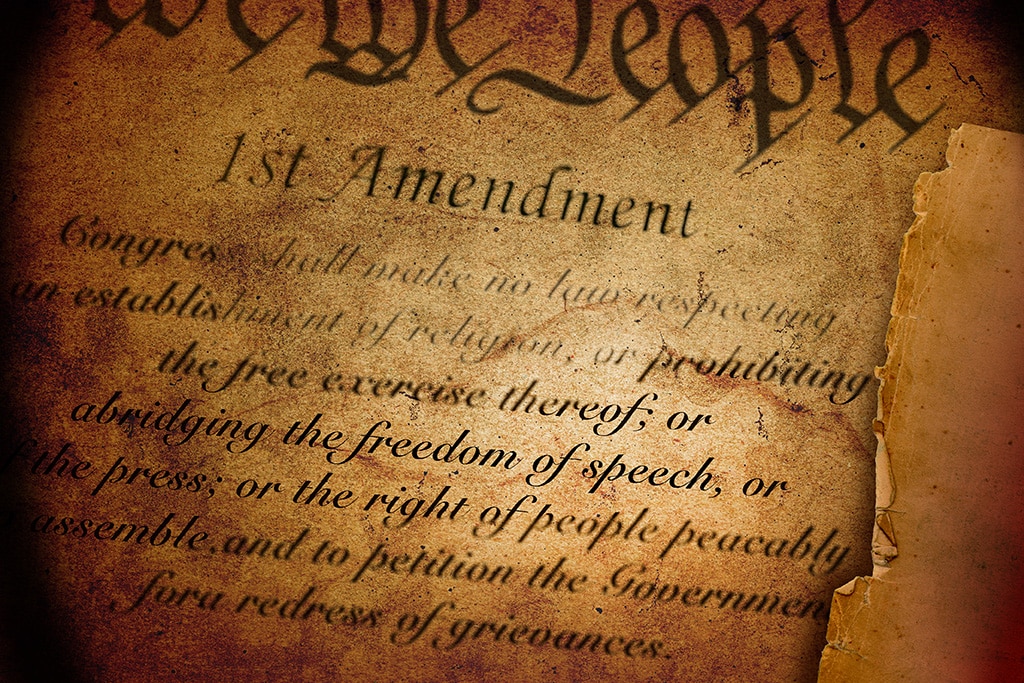
U.S. District Judge Robert Pitman had initially sided with these plaintiffs, issuing the temporary injunction in December that halted the enforcement of the law while the litigation proceeded in the district court. The recent decision by the 5th Circuit panel to block that injunction represents a major procedural shift, though it does not constitute a final judgment on the merits of the First Amendment claims. The legal battle is expected to continue, as the underlying case remains active in the lower courts.
The Broader Context of Digital Age Verification
Texas is not the only state navigating these complex regulatory waters. Similar legislative efforts have been observed in other jurisdictions, including Louisiana and Utah. While these states have successfully passed laws intended to curb minors’ access to certain online content, many of these measures remain in a state of legal flux, with various courts weighing the balance between state-level child protection initiatives and federal constitutional protections.
As the situation in Texas evolves, the technology industry remains under pressure to reconcile these disparate state laws with their existing global operating procedures. The requirement for age verification—which often necessitates the collection of sensitive data such as government-issued identification—presents both technical and privacy-related challenges that companies are currently forced to address in real-time.
Next Steps in the Judicial Process
For stakeholders, users, and tech companies, the coming months will be critical. The 5th Circuit’s decision is an interim ruling, and the litigation in the district court is far from reaching a definitive conclusion. Parties on both sides of the aisle are watching closely to see whether the appellate court will eventually provide a more comprehensive opinion or if the district court will reach a final verdict that could again alter the landscape for app distribution in Texas.
The legal teams involved are expected to continue their arguments regarding the scope of the First Amendment as it pertains to digital age-gating. For now, the state of Texas has the authority to enforce its age verification requirements, but the long-term viability of the law remains subject to the ongoing scrutiny of the federal judiciary. We will continue to monitor the docket for any upcoming hearings or filings as this case proceeds.
What are your thoughts on the balance between state-mandated digital safety and individual privacy? We invite our readers to share their perspectives in the comments section below.