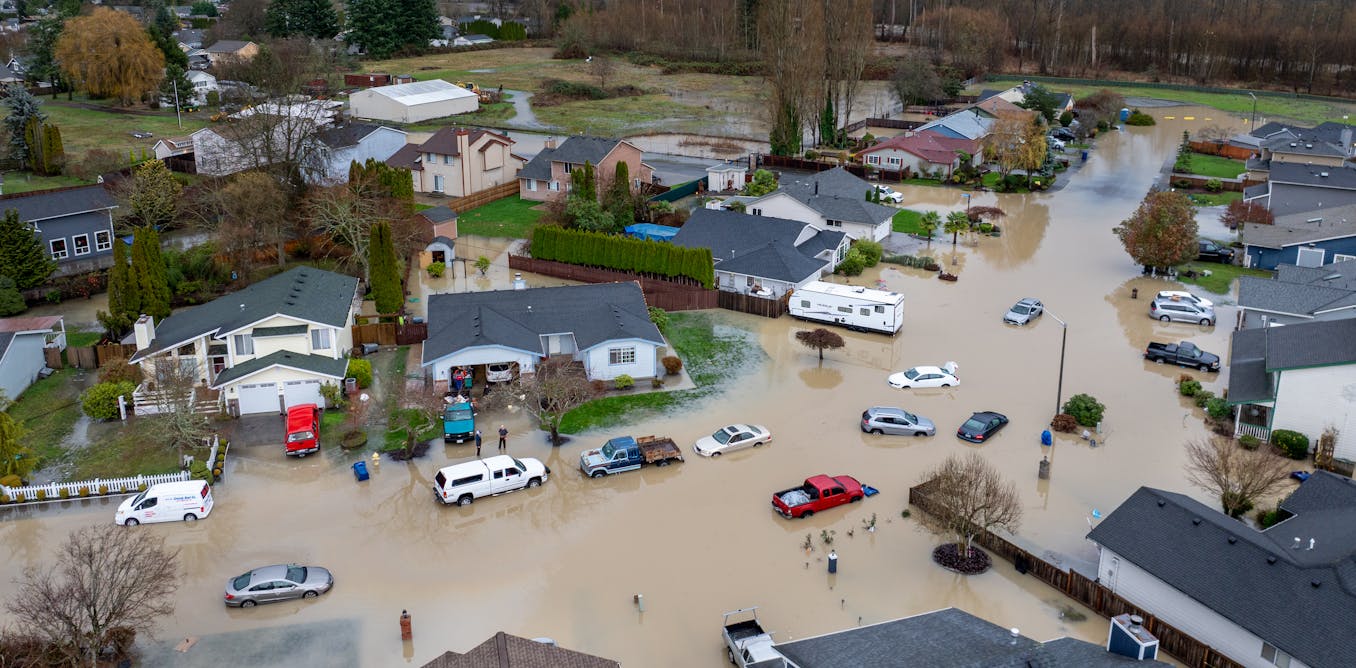
The Evolving Landscape of Levee Systems: Protecting Communities in a Changing climate
For generations,levees have stood as critical lines of defence against rising waters,safeguarding communities and infrastructure. However, the story of these structures is far more complex than simply engineering feats. It’s a narrative woven with ancient decisions,evolving risks,and increasingly urgent questions about equity and resilience.
Advances in engineering, monitoring, and risk assessment are continually refining how we evaluate and design these vital systems. Yet, understanding their past – and acknowledging their limitations – is paramount as we face a future of more frequent and intense weather events.
A Turning Point: Lessons from Hurricane Katrina
Hurricane Katrina in 2005 dramatically underscored the consequences of neglecting and inadequately maintaining levee systems. The storm surge overwhelmed the defenses protecting New Orleans, resulting in devastating flooding and tragic loss of life. This disaster exposed critical flaws in obligation and upkeep,serving as a stark wake-up call.
Fortunately,the aftermath of Katrina spurred notable progress. Over the past two decades, substantial federal investments have strengthened the condition and management of many of the nation’s levees. The U.S. Army Corps of engineers has been instrumental in these improvements.
the Rising Tide of New Challenges
Despite these advancements, the legacy of past decisions continues to shape the present. Climate change is amplifying the risks, pushing water control systems beyond their original design capabilities.
Consider these escalating factors:
* Heavier rainfall: More intense precipitation events are straining levee capacity.
* Rapid snowmelt: Accelerated snowmelt contributes to increased river flows.
* Rising sea levels: coastal communities face a growing threat from higher base water levels.
Events onc considered rare are now becoming increasingly common,demanding a reevaluation of our approach to flood protection.
Beyond Engineering: A Question of Values
The challenge now extends beyond purely technical solutions. It’s about how we, as a society, prioritize protection, communicate risk effectively, and determine whose safety takes precedence.
You might be wondering how equitable levee protection currently is. Recent data reveals a concerning disparity: the percentage of residents protected by levees who are considered disadvantaged varies significantly by state. This highlights the need for a more just and inclusive approach to flood risk management.
Looking Ahead: A Future with Levees
Levees will undoubtedly remain a crucial component of community protection for the foreseeable future. Though, a thorough understanding of their history, limitations, and the evolving climate is essential.
Here’s what you should keep in mind:
* Proactive maintenance is key: regular inspections and repairs are vital to ensure levee integrity.
* integrated risk management: Levees should be part of a broader strategy that includes floodplain management, natural infrastructure, and community preparedness.
* Clear dialog: Openly sharing risk information with the public is crucial for informed decision-making.
As atmospheric rivers test levee systems in the West and flood risks grow nationwide, we must embrace a holistic and forward-thinking approach. investing in resilient infrastructure and prioritizing equitable protection are not just engineering challenges – they are moral imperatives.
Keep reading