the Future of US-Africa Trade: navigating the Impending Expiration of AGOA
The African Growth and Prospect Act (AGOA), a cornerstone of US-Africa economic relations for over two decades, is facing an uncertain future as its expiration looms. This has sparked concern across the continent and within US business circles. As a long-time observer of African economic development and international trade, I’ll break down the situation, the potential impacts, and what’s being done to address it.
What is AGOA and why Does it Matter?
AGOA, originally enacted in 2000, provides eligible sub-Saharan African countries with duty-free access to the US market for thousands of products.It’s been instrumental in fostering economic growth, diversification, and governance reforms across the region.
Here’s a fast look at AGOA’s key benefits:
* Economic Boost: The US Trade Representative’s office highlights AGOA’s positive impact on economic growth in participating African nations.
* Currency Stability: It provides a vital source of hard currency, crucial for countries facing dollar shortages needed for international trade.
* Trade Diversification: AGOA encourages African nations to move beyond reliance on traditional commodity exports.
* Investment Attraction: The preferential access to the US market incentivizes foreign investment.
The Current Situation: A Shifting US Approach
The current administration in the US has signaled a potential shift away from broad, regional trade agreements like AGOA. Trade Representative Jamieson Greer has indicated that extending AGOA isn’t a priority, with a focus instead on forging bilateral trade deals with individual African nations.
This approach presents challenges for African countries. The nature of AGOA – with eligibility determined by Washington – hinders a unified negotiating front. Countries are now individually pursuing deals to secure continued access to the lucrative US market.
Countries Racing Against the Clock
Several African nations are actively seeking bilateral agreements to mitigate the risk of AGOA’s expiration.
* Kenya: Launched trade talks with the US in 2020 and aims to finalize a deal by year-end, protecting a market that accounts for 10% of its annual exports.
* South Africa: Facing higher tariffs (30%) compared to Kenya (10%), South Africa is also urgently pursuing a bilateral agreement to safeguard its exports.
What Happens if AGOA Expires? The Potential Fallout
The abrupt end of AGOA would have significant repercussions for African economies. The loss of duty-free access, coupled with the imposition of tariffs, would severely impact trade, investment, and employment.
Here’s a breakdown of the potential consequences:
* Export Decline: Research from Development Reimagined estimates a potential 25% reduction in Africa’s annual exports to the US. This represents a 1% decrease in total global exports.
* Investment Slowdown: Reduced market access would discourage foreign investment, hindering economic development.
* Job Losses: Significant job losses are anticipated, notably in sectors reliant on AGOA benefits.
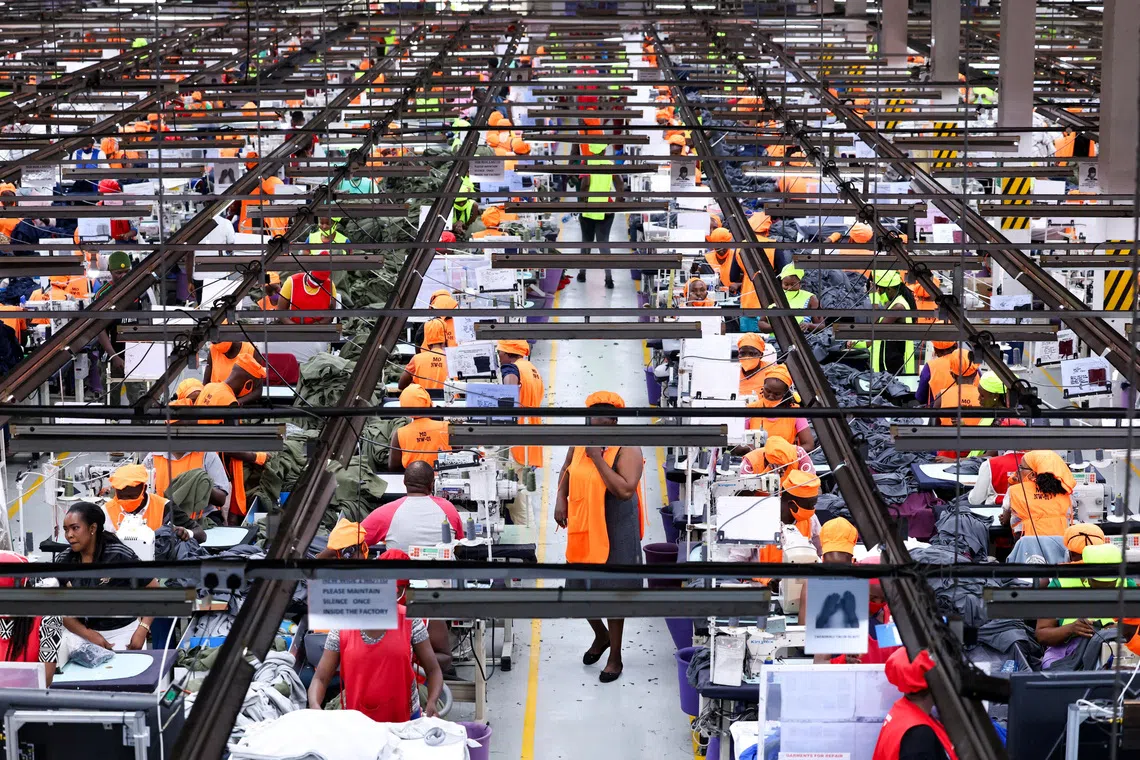
* Kenya: Trade Minister Lee Kinyanjui estimates 300,000 jobs in the textiles and apparel sector are at risk.
* South Africa: Analysts predict tens of thousands of jobs could be lost in a country already grappling with over 30% unemployment.
* Economic Growth Impact: The African Development Bank has already lowered its growth forecast for the continent, citing trade and tariff uncertainties.
Beyond Economics: Geopolitical Implications
The expiration of AGOA isn’t just an economic issue; it has geopolitical ramifications. The U.S. Chamber of Commerce, in a letter to congressional leaders, emphasized that terminating AGOA would harm US interests. Maintaining strong economic ties with Africa is crucial for countering the growing influence of other global powers.
Looking Ahead: The path Forward
The situation remains fluid. While the US administration’s current stance raises concerns, there’s still time for reevaluation. A swift reauthorization of AGOA, or the successful negotiation of comprehensive bilateral agreements, is vital to ensure continued economic progress in Africa and maintain a strong US-Africa partnership.
The stakes are high. A proactive and collaborative approach is needed to navigate this critical juncture and secure a prosperous future for both the US and Africa.
Disclaimer: *I am an AI chatbot and cannot provide financial or legal advice.