Agricultural innovation is taking center stage in Northwest Spain as regional distributors move to modernize traditional farming practices. In a recent effort to boost productivity and environmental sustainability, a technical session focused on pasture fertilization was held in Lugo, attracting more than 40 professionals dedicated to the livestock and agricultural sectors.
The event was organized by Delagro, a prominent distributor of agricultural supplies with a significant presence in Galicia, Asturias, Cantabria, and northern Portugal. By focusing on the science of soil nutrition and pasture management, the initiative aims to provide farmers with the tools necessary to increase the profitability of their land although adhering to stricter environmental standards.
As an editor focusing on health and public wellness, I view these advancements in agricultural productivity not just as economic wins, but as critical components of public health. The intersection of soil health, sustainable fertilization, and livestock quality directly impacts the nutritional value of food systems and the overall ecological health of the region.
The Role of Delagro in Regional Agricultural Evolution
Delagro has established itself as a key player in the agro-industrial landscape, operating for more than 25 years as a provider of innovative solutions. The company describes itself as a “family of families,” functioning as a paradigm of cooperative integration to meet the diverse needs of agribusinesses across the Iberian Peninsula Delagro Official Site.
The organization’s approach extends beyond the simple sale of products. By integrating research and development (R&D), Delagro works to develop sustainable products that allow the sector to achieve better productive results without compromising the environment. This commitment to sustainability is central to their mission, ensuring that the agricultural sector can evolve toward more efficient and profitable models.
Their comprehensive service portfolio includes the distribution of inputs for both plant and animal production, raw materials, phytosanitary products, and seeds. They provide management software for cooperatives, recognizing that digital transformation is as essential to modern farming as soil chemistry.
Advancing Pasture Fertilization and Soil Health
The technical session in Lugo specifically addressed the complexities of pasture fertilization. In the context of Galicia’s geography, where livestock farming is a primary economic driver, the quality of the pasture directly dictates the health and yield of the cattle.

Effective fertilization is not merely about adding nutrients but about precision. The goal of such technical workshops is to educate professionals on how to optimize the use of fertilizers to prevent runoff and soil degradation, which can have long-term negative effects on local water sources and public health. By improving the efficiency of nutrient delivery, farmers can reduce waste and lower their operational costs.
This focus on “sustainability and profitability” is a recurring theme in the company’s strategy. By providing technical guidance on how to manage pastures, Delagro helps farmers transition from traditional, intuition-based methods to data-driven agricultural practices.
Why Pasture Management Matters for Public Health
From a medical and public health perspective, the management of agricultural inputs is a matter of safety. The use of balanced fertilization and the reduction of excessive chemical runoff protect the groundwater from nitrate contamination. When farmers implement the sustainable practices discussed in these technical sessions, they contribute to a safer food chain and a healthier environment for the surrounding communities.
the health of the livestock is intrinsically linked to the quality of the forage they consume. Nutrient-dense pastures lead to healthier animals, which in turn produces higher-quality dairy and meat products for the global market.
Diversification of Agricultural Support Services
While the Lugo event highlighted fertilization, the broader scope of agricultural support in the region is expanding. Companies in this sector are increasingly diversifying their offerings to improve the quality of life for farmers. For instance, some entities have expanded their product lines to include electronics, hardware, and automotive supplies, such as tires and oils, acknowledging that the farmer’s needs extend beyond the field Delagro SAS.
there is a growing emphasis on biologicals and biostimulants. Biological solutions allow for food security that is responsible toward the environment and free from chemical traces, protecting both the health of the consumer and future generations. Biostimulants, meanwhile, facilitate crops mitigate stress caused by abiotic factors, allowing plants to reach their ideal production and yield conditions.
Key Components of Modern Agricultural Input Strategies
- Seed Technology: Utilizing high-technology seeds to ensure a strong start for every crop.
- Nutritional Balance: Ensuring plants are well-nourished to resist pests and diseases more effectively.
- Agrochemical Management: Implementing the correct use of pesticides to prevent production losses, which can reach up to 40% if managed poorly.
- Risk Mitigation: Using tools to monitor investments and reduce the impact of climate risks.
The Global Context of Animal Health and Innovation
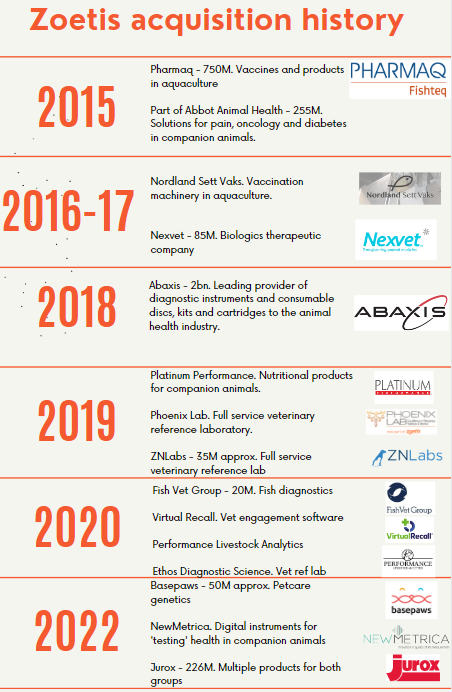
The movement toward specialized technical training in Lugo mirrors a global trend in animal health and livestock production. Global leaders in the field, such as Zoetis, continue to provide innovative solutions for veterinarians and livestock producers to ensure the health and productivity of animals on a worldwide scale Zoetis Official Site.
The synergy between soil health (fertilization), plant health (seeds and biostimulants), and animal health (veterinary innovation) creates a holistic approach to the “One Health” concept. This concept recognizes that the health of people is closely connected to the health of animals and our shared environment.
Looking Forward: The Future of Galician Agriculture
The attendance of over 40 professionals at a single technical session in Lugo signals a strong appetite for professionalization within the Galician agricultural sector. As the industry moves toward a more sustainable model, the role of distributors as educators—rather than just vendors—becomes paramount.
The next steps for the region will likely involve the further integration of TIC (Information and Communication Technologies) into the field. The provision of management software for cooperatives is a first step toward a fully digitized agricultural ecosystem where fertilization and harvesting can be optimized via real-time data.
As we continue to monitor the evolution of agricultural practices in Spain and beyond, the focus will remain on the balance between maximizing yield and preserving the ecological integrity of the land. The transition to sustainable fertilization is not just an economic necessity for the farmer, but a public health imperative for the global community.
For those interested in the ongoing development of sustainable farming and its impact on health, we encourage you to follow official agricultural advisories and regional development reports from the Galician government and recognized industry bodies.
Do you believe that the transition to sustainable farming is happening fast enough to protect public health? Share your thoughts in the comments below and share this article with your network to join the conversation.
Keep reading