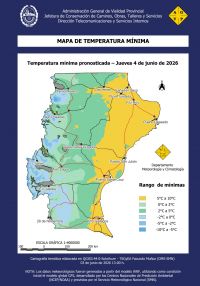
As the Southern Hemisphere transitions deeper into the winter months, the province of Santa Cruz in Argentina is bracing for a significant shift in meteorological conditions. Recent reports from regional authorities highlight a marked drop in temperatures across the Patagonian landscape, with forecasts indicating that frost and ice will become the defining characteristics of the local climate in the coming days. For residents and travelers navigating the vast stretches of southern Argentina, this period marks a critical window for prioritizing road safety and winter preparedness.
The Administración General de Vialidad Provincial (AGVP) has issued advisories urging extreme caution as freezing temperatures settle over the region. In high-latitude areas like Santa Cruz, these shifts are not merely seasonal inconveniences but significant environmental factors that directly impact infrastructure, transport and daily life. Understanding the scope of these weather patterns is essential for anyone currently within or planning to transit through the province.
Understanding the Impact of Extreme Cold in Patagonia
The climate in Santa Cruz is famously unpredictable, characterized by its proximity to the Andes and its exposure to polar air masses moving northward from Antarctica. When meteorologists describe a “marked descent in temperature,” they are often referring to the rapid onset of sub-zero conditions that turn moisture on road surfaces into black ice—a hazard that is notoriously difficult to detect until it is too late. The provincial authorities are emphasizing that the presence of “escarcha” (frost) and ice will likely persist, particularly during the early morning and late evening hours when surface temperatures reach their minimums.
According to the Servicio Meteorológico Nacional (SMN), which provides the primary data for public safety alerts across Argentina, these cold fronts are often accompanied by strong winds, which can significantly lower the wind chill factor. This phenomenon, known as “sensación térmica,” means that even if the thermometer reads near freezing, the actual impact on human exposure and mechanical equipment can be much more severe.
Safety Protocols for Road Travel
For those operating vehicles in Santa Cruz, the provincial road agency advises strict adherence to winter driving protocols. Key safety measures include:
- Mandatory Chain Use: In many high-altitude or snow-prone sections of the provincial and national routes, carrying and knowing how to install tire chains is not just a recommendation—it is a requirement.
- Reduced Speeds: Ice patches can form instantaneously in shaded areas or on bridges, necessitating a reduction in speed well below the posted limits.
- Vehicle Maintenance: Ensuring that antifreeze levels, battery health, and tire tread depth are optimized for sub-zero temperatures is vital to preventing breakdowns in remote areas.
- Communication: Always inform local contacts of your travel itinerary, as mobile signal coverage can be sparse in the vast expanses of the Patagonian steppe.
The provincial government regularly updates the status of major transit corridors through their official communication channels. It is highly recommended that drivers check the National Highway Authority (Vialidad Nacional) website for real-time road conditions before departing.
The Ecological and Social Context
Beyond the logistical challenges of transport, the intense cold weather in Santa Cruz significantly impacts the local agricultural and pastoral sectors. Livestock management during these periods requires proactive measures to ensure that animals have access to shelter and water sources that have not frozen over. The regional economy, which relies heavily on sheep farming and, increasingly, sustainable tourism, must adapt quickly to these harsh environmental constraints.
The resilience of the Santa Cruz community is well-documented, as generations have lived alongside these extreme weather cycles. However, as global climate patterns evolve, the unpredictability of these “marked drops” in temperature serves as a reminder of the importance of maintaining robust, well-funded infrastructure. The coordination between meteorological agencies and provincial road management is the primary line of defense in ensuring that the province remains connected even during the peak of winter.
Key Takeaways for Residents and Visitors
- Monitor Official Channels: Rely exclusively on the SMN and the AGVP for weather warnings and road closures.
- Prepare for Extremes: Always carry an emergency kit, including blankets, high-energy food, and extra water, even for short trips.
- Respect the Elements: Frost and ice are deceptive; assume that any road surface in shadow is potentially hazardous.
- Plan Ahead: Avoid travel during the peak hours of darkness or when visibility is reduced by low-hanging clouds or localized squalls.
As we move through this winter season, the situation remains fluid. The next major update regarding weather patterns and transit safety will be issued by the provincial authorities as they monitor the movement of the current polar front. We encourage all readers to follow the official AGVP portal for the most recent updates on route accessibility. Please share this information with those traveling in the region to ensure everyone stays safe during these challenging meteorological conditions. Your thoughts and experiences with winter travel in Patagonia are welcome in the comments section below.
Worth a look