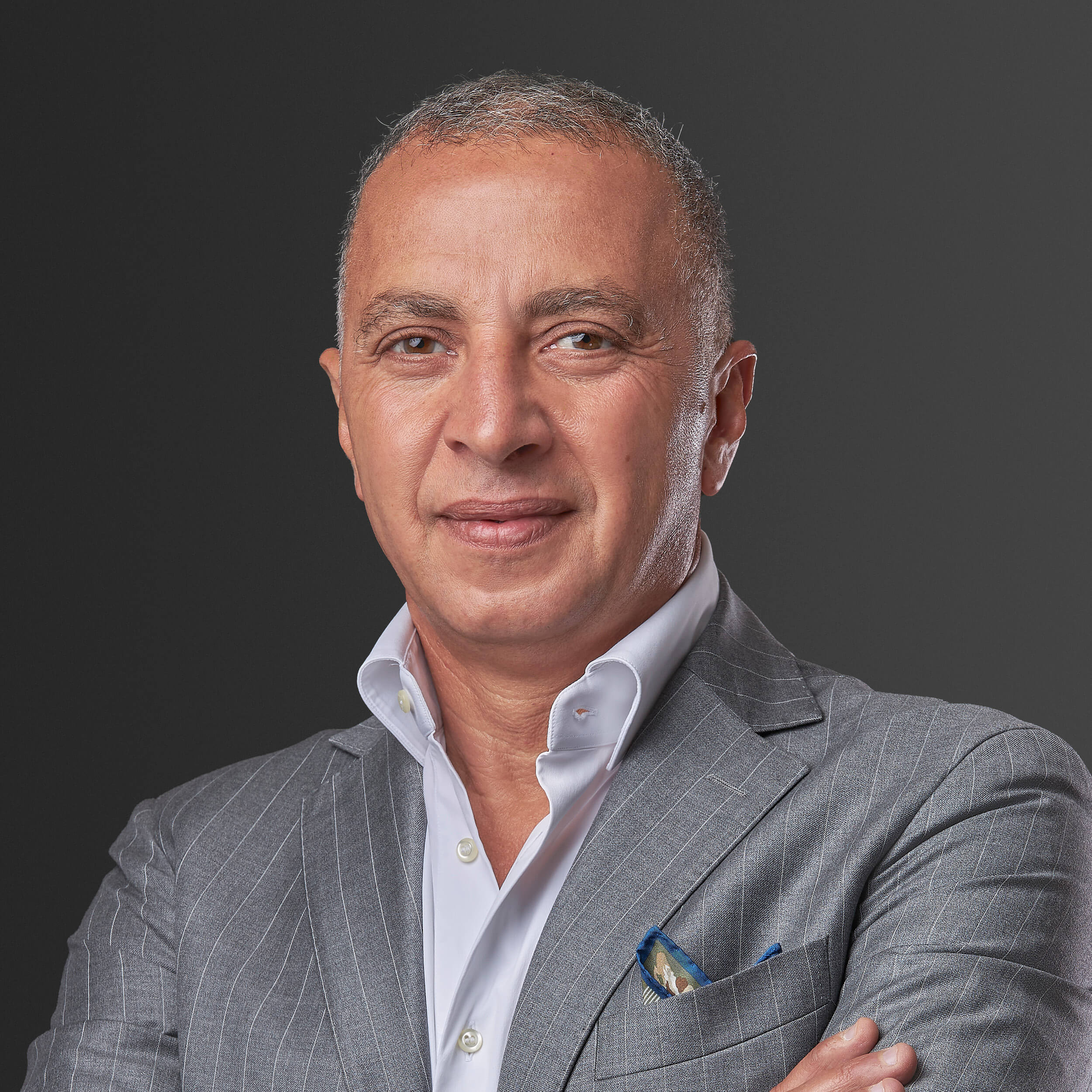
Ahmed El Sewedy, the CEO of Elsewedy Electric, recently outlined a strategic pivot for the industrial conglomerate during an appearance on the CEO Level Podcast. The company, which has long maintained a dominant footprint in energy and infrastructure, is now aggressively targeting the automotive manufacturing sector and preparing to launch a new venture focused on data centers.
This expansion marks a significant shift for the Cairo-headquartered firm, signaling an effort to diversify its revenue streams amid shifting regional economic priorities. By entering the automotive and digital infrastructure markets, Elsewedy Electric aims to leverage its existing industrial capabilities to meet rising demand for localized manufacturing and high-tech infrastructure in Egypt and the broader Middle East and Africa region.
Expanding into Automotive Manufacturing
The move into the automotive space follows a broader trend of industrial diversification within the Egyptian manufacturing sector. According to the company’s recent strategic disclosures, Elsewedy Electric intends to integrate its expertise in electrical components and materials into the production of vehicles. This transition is designed to align with government-led initiatives aimed at increasing the percentage of locally manufactured vehicle parts and reducing reliance on imports.
The automotive industry in Egypt has been subject to various regulatory frameworks, including the Automotive Industry Development Program (AIDP), which seeks to incentivize local assembly and manufacturing through specific performance-based benefits and investment requirements as outlined by the Egyptian Cabinet’s Information and Decision Support Center. By entering this space, the firm is positioning itself to capture value within the evolving supply chain for both traditional and electric mobility solutions.
Developing Digital Infrastructure
In addition to automotive interests, the company is intensifying its focus on the data center sector. As cloud computing demand grows across the Middle East, the development of robust, reliable, and energy-efficient data centers has become a priority for regional telecommunications and IT infrastructure providers.

Elsewedy Electric’s entry into this market is a natural extension of its core business: providing electrical grids, transformers, and cabling solutions. Data centers require massive, uninterrupted power supply and complex infrastructure, which are areas where the firm has historically held significant market share. By moving into the data center market directly, the company is shifting from being a component supplier to a provider of integrated infrastructure services. This transition is critical as regional governments work to secure their digital sovereignty and improve internet connectivity speeds through localized server clusters as detailed in the Ministry of Communications and Information Technology’s strategic objectives.
Strategic Implications for the Group
For investors and stakeholders, these developments suggest a group that is actively mitigating the risks associated with traditional energy infrastructure cycles. By diversifying into high-growth technology and consumer-facing industrial sectors, the company aims to stabilize long-term earnings.

The success of these ventures will likely depend on the group’s ability to maintain its operational standards while integrating new technologies. The transition into data centers, in particular, requires high levels of precision and adherence to international standards for uptime and cybersecurity. As the company moves toward full implementation of these projects, the market will be looking for clear updates on capacity, partnerships, and timelines for facility completion.
We will continue to monitor these developments as more details regarding the scale of the automotive production and the specific locations for the new data centers are disclosed by the company. If you have insights or follow-up questions on the evolution of Egypt’s industrial sector, please feel free to share your thoughts in the comments section below.
Keep reading