South Korean Presidential Social Media Use Faces legal Scrutiny
Published: 2026/02/03 04:41:55
The Controversy Surrounding President Lee’s SNS Activity
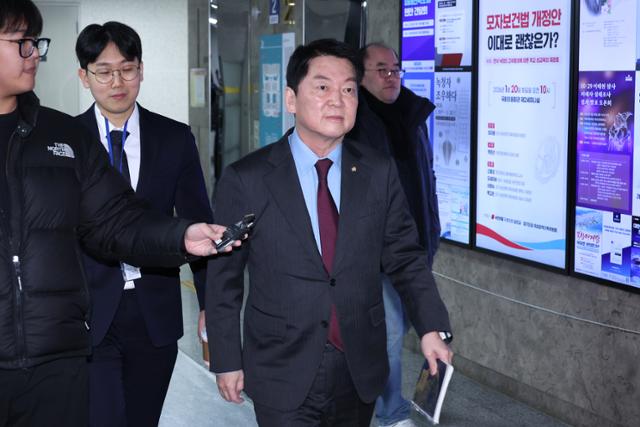
Recent concerns have been raised regarding the social media activity of South Korean President Jae-myung Lee, specifically centering on potential violations of the Presidential Records Act. Opposition lawmaker Cheol-soo Ahn has publicly questioned whether the President’s use of social networking services (SNS) complies with legal requirements for the preservation and management of official records.
Understanding the Presidential Records Act
The Presidential records Act, a cornerstone of governmental transparency and accountability in South Korea, dictates how presidential records are created, maintained, and ultimately archived. It aims to ensure that official communications and decisions are preserved for historical and public access purposes. The core principle is that records documenting presidential activities are considered public property, not the personal property of the President. This includes, increasingly, digital communications like social media posts.
What Constitutes a Presidential Record?
Determining what qualifies as a “presidential record” is often complex. Generally, any documentary material created or received during the course of presidential duties is considered a record. This extends beyond traditional paper documents to include emails,text messages,and,crucially,social media posts. The national Archives and Records Service (NARS) plays a key role in defining these parameters and providing guidance to the presidential office.
The Specific Allegations Against President Lee
The current controversy revolves around allegations that President Lee’s team may have deleted posts from his official SNS accounts, and concerns about the proper archiving of remaining content. Critics argue that deleting posts, even those considered less formal, could constitute a violation of the Presidential Records Act. Furthermore, questions have been raised about whether all official communications made through SNS are being systematically archived and managed in accordance with the law.
the Issue of Post Deletion
Deleting social media posts raises important legal questions. While presidents may have some discretion over thier personal accounts, posts made in an official capacity, or relating to official duties, are subject to the record-keeping requirements. Deleting such posts could be seen as an attempt to conceal facts or obstruct transparency.
Legal Implications and Potential Consequences
Violations of the Presidential Records Act can carry significant penalties. These can range from administrative sanctions to potential criminal charges,depending on the severity and intent of the violation. The State Archives and Records Service is responsible for investigating potential breaches of the Act and recommending appropriate action.
The Broader Context: Presidential Use of Social Media
President Lee is not the first leader to navigate the complexities of social media. Globally, presidents and prime ministers are increasingly using platforms like Twitter, Facebook, and Instagram to communicate directly with citizens. Though,this direct communication also presents challenges in terms of record-keeping and transparency. Many countries are grappling with how to adapt existing laws to address the unique characteristics of digital communication.
Looking Ahead
The controversy surrounding President Lee’s SNS use highlights the evolving challenges of presidential record-keeping in the digital age. A clear and consistent framework for managing presidential social media accounts is crucial to ensure transparency, accountability, and the preservation of historical records. Further clarification from the National Archives and Records Service, and possibly legislative updates, might potentially be necessary to address these emerging issues.
Related reading