
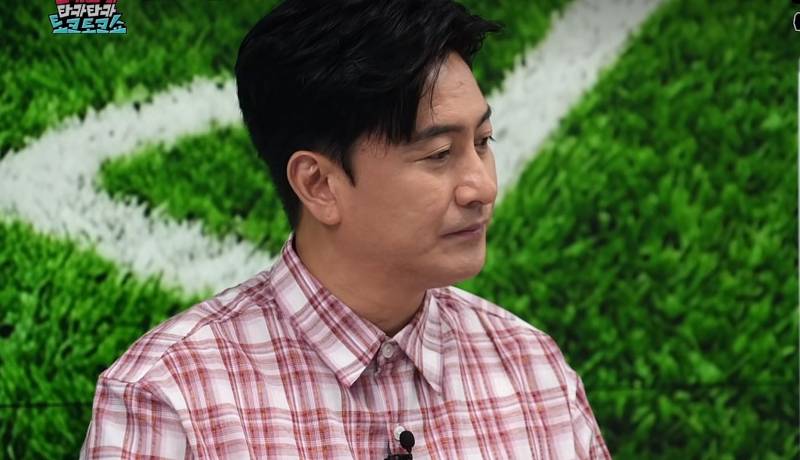
Former South Korean national football team captain and broadcaster Ahn Jung-hwan has publicly addressed allegations that he has been shielding the Korea Football Association (KFA) from criticism. During an appearance on the online talk show Tiki-Taka Talk, which aired on September 28, Ahn explicitly denied these claims, stating that he has had no involvement with the organization during the 13-year tenure of KFA President Chung Mong-gyu.
The controversy stems from public frustration regarding the administration of South Korean football, particularly under the leadership of Chung, who has served as president since 2013. As the KFA faces intense scrutiny over national team management, coaching appointments, and governance, some online commentators have questioned why prominent figures in the football community, including Ahn, have not been more vocal in their criticism.
Addressing the Allegations of KFA Support
Ahn, a celebrated figure in Korean sports history known for his performance in the 2002 FIFA World Cup, addressed the claims directly during the program. He emphasized that his professional path has remained distinct from the KFA’s internal operations. According to his statements on the broadcast, he has not stepped foot inside the association’s offices or participated in its administrative functions for the entirety of Chung’s 13-year term. This clarification was intended to counter narratives suggesting that he maintains a close, protective relationship with the current leadership.

The KFA has been under significant pressure throughout 2024. The Ministry of Culture, Sports and Tourism (MCST) launched an audit into the association in July 2024 to investigate alleged irregularities in the appointment of the national team head coach and other administrative processes, as reported by Yonhap News Agency. The ongoing audit highlights the strained relationship between the football governing body and the public, creating a climate where high-profile figures are frequently pressured to take public stances.
The Context of Public Scrutiny
The skepticism directed toward Ahn is part of a broader trend of public accountability in South Korean sports. Fans have increasingly demanded transparency from the KFA, particularly following the controversial hiring and subsequent dismissal of head coaches. As of September 2024, the KFA continues to face inquiries from the National Assembly regarding its decision-making transparency, according to coverage by The Korea Times.
For many observers, the silence or perceived neutrality of veteran players is interpreted as tacit support for the status quo. Ahn’s decision to speak out on Tiki-Taka Talk serves as a notable departure from his usual approach to industry politics. By establishing a clear timeline—specifically noting that his non-involvement coincides with the current president’s entire tenure—he sought to distance his personal reputation from the administrative failures currently being investigated by government authorities.
Understanding the KFA Leadership Timeline
Chung Mong-gyu assumed the presidency of the KFA in 2013. Over the past decade, his leadership has been marked by both successes in infrastructure development and growing criticism regarding the autonomy of the national team’s technical committees. The current audit by the Ministry of Culture, Sports and Tourism represents one of the most significant challenges to his authority to date.

The following points summarize the current situation regarding the KFA’s administrative challenges:
- Government Audit: The Ministry of Culture, Sports and Tourism initiated a formal investigation in July 2024 into the KFA’s hiring practices and general management.
- Public Sentiment: There is widespread dissatisfaction among fans regarding the KFA’s handling of recent coaching vacancies and its overall communication strategy.
- Public Accountability: Figures associated with the KFA or the broader football community are frequently asked to provide their views on the association’s governance.
Ahn’s remarks provide a rare instance of a public figure within the football ecosystem directly addressing their relationship with the governing body. As the government audit moves toward its final report, which is expected to be released in the coming weeks, the industry remains on high alert. The findings of this investigation, as outlined by the Ministry of Culture, Sports and Tourism, are anticipated to dictate the future of administrative reforms within the KFA.
Updates regarding the outcome of the KFA audit and any subsequent administrative changes will be provided as official statements are released by the ministry. Readers are encouraged to share their thoughts on the evolving state of South Korean football management in the comments section below.