The European Commission has launched a comprehensive series of legislative proposals aimed at streamlining fiscal, administrative, and commercial regulations across the European Union’s Single Market. These measures seek to reduce the regulatory burden on businesses operating across borders while simultaneously modernizing energy efficiency standards and digital trade requirements, according to the official European Commission portal. By transitioning toward digital-first documentation and updated sustainability labeling, the bloc intends to lower operational costs for small and medium-sized enterprises (SMEs) while providing consumers with clearer, more durable product information.
This regulatory overhaul reflects a broader shift toward simplifying cross-border compliance. For businesses, the primary objective is to minimize the friction associated with interstate transactions, effectively lowering the “administrative tax” that currently hampers trade between member states. These initiatives form part of the Commission’s long-term strategy to boost the competitiveness of the European economy by fostering a more integrated, efficient, and digitized Single Market.
Modernizing Energy Labels for the Digital Age
A central pillar of the European Union’s strategy involves the modernization of energy efficiency labeling for products ranging from household appliances to automotive tires. The Commission proposes moving away from mandatory paper-based documentation, instead favoring digital formats that can be updated in real-time. This transition addresses the practical challenges of modern retail, where traditional paper labels often fail to account for the rapid evolution of digital market trends and the need for immediate, consumer-facing efficiency data, as noted in recent Council of the European Union updates regarding energy labeling regulations.

By streamlining these labels, the EU aims to harmonize requirements across the Single Market, ensuring that consumers receive consistent information regardless of whether they purchase goods in a physical store or through an e-commerce platform. For manufacturers, this implies a potential reduction in the logistical costs associated with printing and distributing physical labels that are frequently subject to regulatory updates. The shift is expected to provide greater clarity for buyers while ensuring that the energy efficiency data remains accurate and accessible in an increasingly digitized economy.
Enhanced Transparency for Consumer Electronics
Beyond energy efficiency, the European Commission is targeting the lifecycle of consumer electronics, specifically mobile phones and tablets. New proposals require that manufacturers provide detailed information regarding the expected lifespan, repairability, and software support for these devices. This move is designed to combat “planned obsolescence” and empower consumers to make more informed purchasing decisions based on the long-term viability of the product, according to the European Commission’s Sustainable Product Policy framework.

The requirement for “durability labeling” is not merely an environmental policy; it is an administrative simplification tool. By standardizing the metrics used to measure device longevity, the EU reduces the need for manufacturers to comply with a patchwork of disparate national regulations. This harmonization allows companies to operate more efficiently within the Single Market, as they can adhere to a single set of EU-wide standards rather than navigating 27 different national legislative landscapes. The policy aligns with the broader Circular Economy Action Plan, which seeks to decouple economic growth from resource consumption.
New Requirements for HVAC Installations
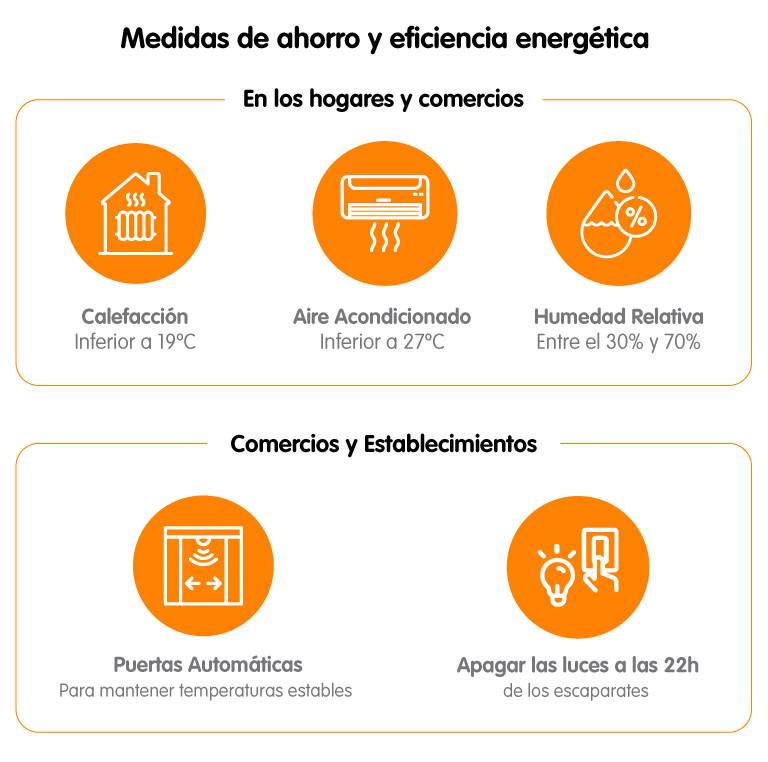
The European Union is also introducing stricter information requirements for the installation of heating, ventilation, and air conditioning (HVAC) systems. Installers will soon be obligated to provide comprehensive, standardized information regarding the energy efficiency and maintenance requirements of new equipment at the point of sale. This mandate ensures that consumers are fully aware of the long-term energy costs associated with their purchases, effectively incentivizing the adoption of more efficient technology, as outlined in the Energy Performance of Buildings Directive.

For the industry, these measures represent a shift toward professional accountability. By requiring installers to act as conduits for energy-efficiency data, the EU aims to bridge the information gap that often leads consumers to favor cheaper, less efficient units with higher lifetime operating costs. This regulatory framework is expected to drive demand for high-efficiency systems, thereby supporting the EU’s climate targets while simultaneously reducing the administrative burden on retailers who previously struggled to provide consistent, verified efficiency data across different product lines.
Impact on Cross-Border Trade and Administrative Efficiency
The broader goal of these measures is to reduce the administrative costs associated with cross-border trade, which the Commission estimates currently place a disproportionate burden on smaller firms. By digitizing fiscal and trade documentation, the EU intends to facilitate smoother transactions between member states. This initiative is part of a wider effort to strengthen the Single Market, which remains the bedrock of European economic policy, according to reports from the European Commission’s Directorate-General for Internal Market, Industry, Entrepreneurship and SMEs.
The simplification of these processes is expected to have a tangible impact on the bottom line for European businesses. By reducing the time and resources spent on regulatory compliance, companies can redirect capital toward innovation and expansion. The Commission continues to monitor the implementation of these measures through ongoing consultations with stakeholders and industry representatives. Further updates regarding the technical specifications for digital labeling and the timeline for mandatory compliance are expected in the upcoming legislative sessions. We encourage readers to monitor the official EU portal for future developments and to share their perspectives in the comments section below.
Keep reading