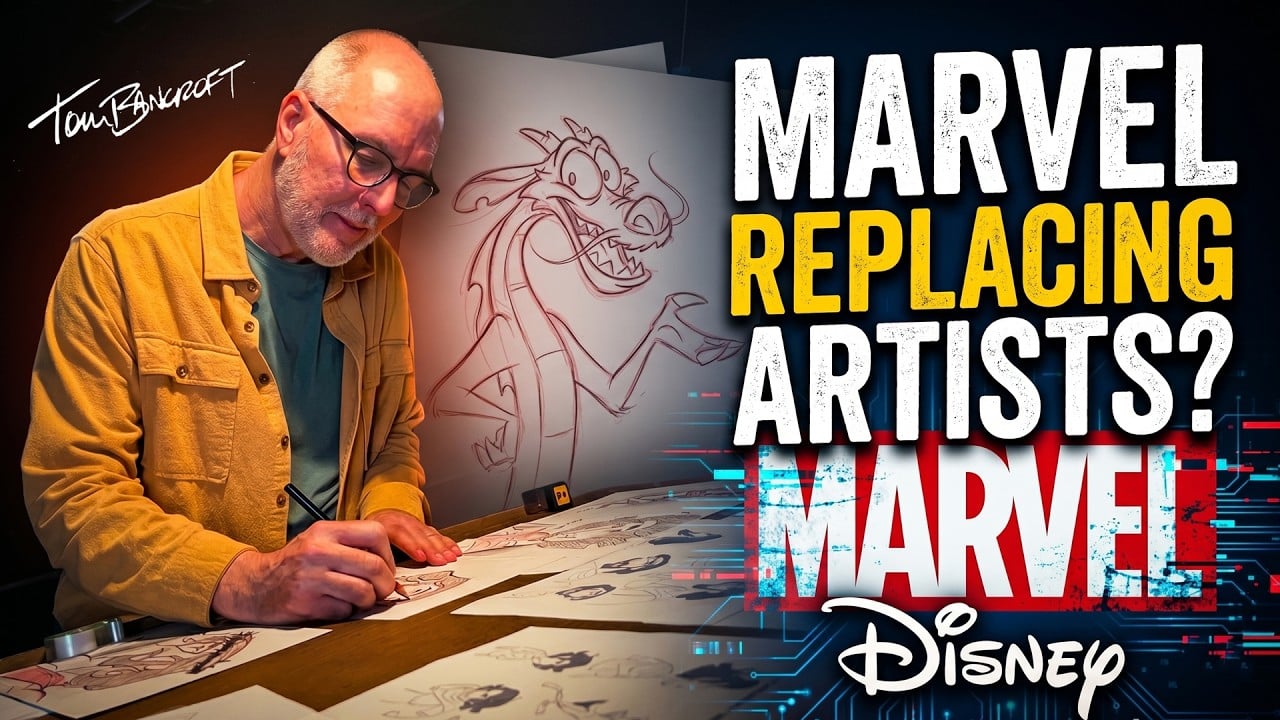
The intersection of artificial intelligence and creative storytelling has long been a subject of intense debate in Hollywood. As generative AI tools become increasingly sophisticated, the animation industry—a field historically defined by the painstaking craft of frame-by-frame artistry—is currently grappling with a fundamental question: How does machine learning complement the human imagination? For veterans of studios like The Walt Disney Company, the conversation is less about replacement and more about the evolution of the digital canvas.
Integrating AI and the future of animation requires a nuanced understanding of both technical capability and artistic intent. While concerns regarding copyright, labor displacement, and the preservation of human authorship remain at the forefront of industry discourse, proponents argue that these tools offer a path to unprecedented efficiency in labor-intensive workflows, such as in-betweening and rotoscoping. The challenge lies in balancing the speed of algorithmic generation with the emotional resonance that defines classic animation.
In recent years, major studios have begun formalizing their approaches to these emerging technologies. The Walt Disney Company has been actively exploring the application of machine learning in its research and development divisions, often focusing on tools that can automate technical tasks without compromising the director’s vision. According to the company’s recent public statements, their internal initiatives are designed to augment the creative process rather than substitute the creative professional, emphasizing a “human-in-the-loop” philosophy that remains critical to their corporate strategy, as noted in their official technology research disclosures.
The Evolution of the Digital Workflow
To understand the current shift, one must look at how animation technology has evolved over the past three decades. The transition from traditional 2D cel animation to Computer-Generated Imagery (CGI) was met with similar skepticism in the 1990s. Today, that transition is viewed as a necessary expansion of the medium’s capabilities. AI represents the next logical step in this trajectory, potentially automating “grunt work” that currently consumes thousands of man-hours per feature film.
For example, modern AI-driven tools can now assist in lighting simulations, texture mapping, and crowd generation—tasks that previously required massive render farms and extensive manual adjustments. By offloading these technical burdens, animators can focus more on performance, nuance, and character development. This is not merely an industry trend; This proves a shift supported by significant investment. As reported by Reuters, the creation of dedicated task forces within major studios underscores a strategic pivot toward integrating AI to streamline production costs and timelines in an increasingly competitive global media landscape.
Addressing the Ethical and Legal Landscape
While the technical possibilities are immense, the ethical considerations are equally vast. The animation community has been vocal about the potential for AI models to be trained on copyrighted works without consent. This concern has led to significant legal activity, with various unions and creative guilds, such as The Animation Guild, pushing for contractual protections against the unauthorized use of their members’ work in training sets. The current collective bargaining agreements and ongoing discussions between the Alliance of Motion Picture and Television Producers (AMPTP) and major unions reflect a growing consensus that AI must be regulated to protect human labor.

Transparency remains the primary hurdle for widespread adoption. Creators want to know if the software they are using to refine a scene is trained on their own previous projects or, worse, on their colleagues’ work without compensation. The future of AI in animation will likely be defined by “walled garden” models—proprietary systems trained on a studio’s own archival data, ensuring that the intellectual property remains secure and ethically sourced.
Key Takeaways: AI in Animation
- Augmentation vs. Replacement: Most industry experts view AI as a tool to handle repetitive technical tasks, allowing artists to dedicate more time to creative storytelling.
- Efficiency Gains: AI can significantly reduce the time required for labor-intensive processes like lighting, rendering, and background generation.
- Ethical Guardrails: The industry is currently moving toward proprietary, “closed” AI models to avoid the legal and ethical pitfalls of training data ownership.
- Human-Centric Design: The consensus among veteran animators is that the “soul” of a character—the subtle micro-expressions and emotional timing—remains a uniquely human capability that AI cannot currently replicate.
What Happens Next for the Industry?
The next phase of this development will likely be seen in the upcoming release cycles of major animated features. We expect to see a hybrid approach where traditional hand-drawn elements are seamlessly blended with AI-enhanced environments. As studios continue to navigate the complexities of intellectual property rights and union negotiations, the focus will remain on how these tools can serve the narrative, rather than dictate it.

For those interested in the ongoing legal and regulatory developments, the U.S. Copyright Office continues to provide updates on its AI and Copyright initiatives, which will ultimately shape how studios can protect their AI-assisted works. As the technology matures, expect more public demonstrations of these tools at major industry events like SIGGRAPH, where the technical research meets the practical application.
The future of animation is not a choice between the pen and the processor, but a fusion of both. By maintaining a focus on the human artist, the industry can leverage the speed of AI to push the boundaries of what is visually possible. I encourage our readers to keep a close watch on the next round of industry labor negotiations and studio technology showcases, as these will provide the clearest indicators of how the landscape will shift in the coming years. Please share your thoughts on the role of AI in your favorite animated films in the comments below.
Keep reading