
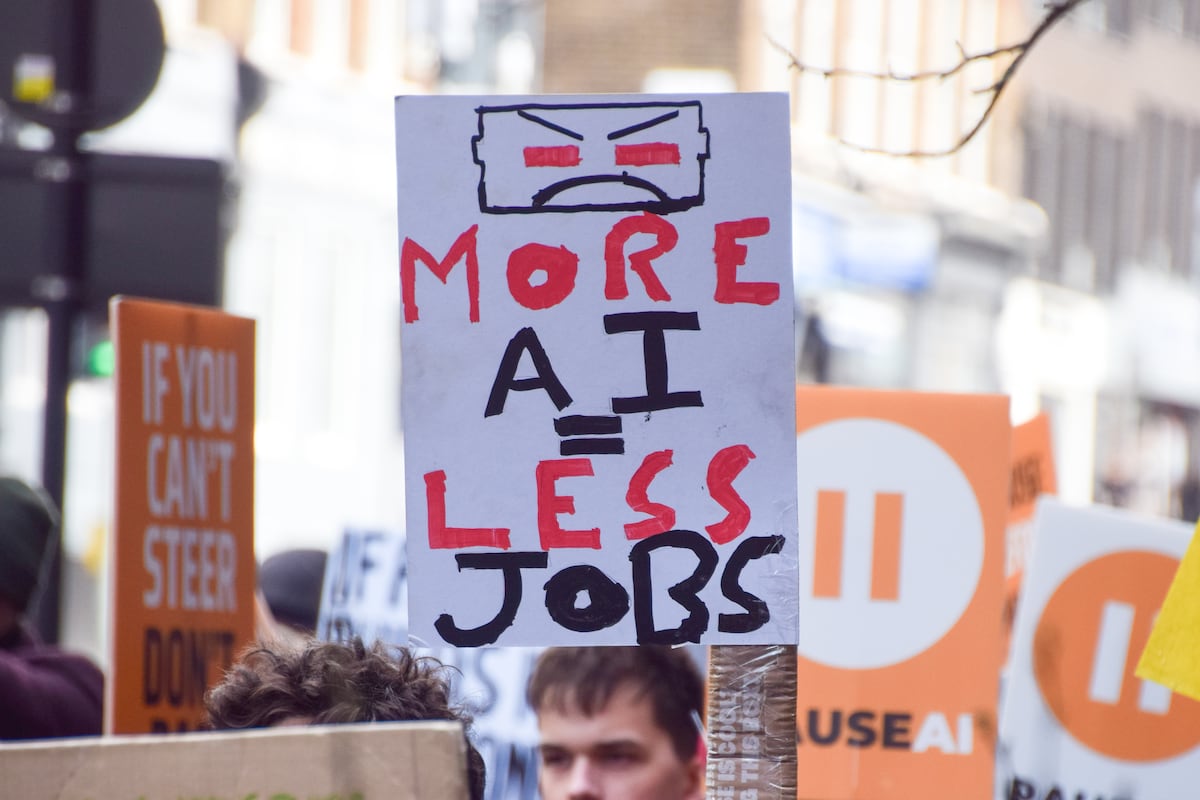
The global corporate landscape is witnessing a profound structural shift as the promise of artificial intelligence (AI) transforms from a productivity tool into a catalyst for massive workforce reductions. While the initial narrative surrounding generative AI focused on “augmentation,” the current reality for thousands of white-collar professionals is replacement. The scale of these cuts suggests that companies are no longer merely experimenting with AI; they are aggressively reallocating capital from human payroll to digital infrastructure.
Recent moves by industry titans like Oracle and Capgemini underscore a critical trend: the “AI pivot” is not just about adding new capabilities, but about funding them through the elimination of legacy roles. This transition is creating a stark divide between the workers whose skills are being rendered obsolete and the highly specialized engineers being hired to build the systems that replaced them.
For the global workforce, this represents a volatile era of economic restructuring. The speed at which these layoffs are occurring—often delivered via automated emails with little prior warning—highlights a growing detachment between corporate AI ambitions and the human cost of digital transformation. As firms shift toward an AI-first
delivery model, the definition of “essential skills” is being rewritten in real-time.
The Oracle Pivot: Funding Infrastructure via Headcount Cuts
In one of the most significant workforce reductions in its history, Oracle began executing a massive restructuring on March 31, 2026. The software giant has targeted cuts of up to 30,000 employees globally, affecting staff across the United States, India, Canada, and Mexico The Independent. The layoffs were reportedly communicated via email at 6 a.m. Local time, leaving thousands of workers suddenly displaced.
The strategic driver behind these cuts is a massive reallocation of capital. According to estimates from TD Cowen, the reduction of approximately 18% of Oracle’s 162,000-person workforce is designed to free up between $8 billion and $10 billion to fund the expansion of AI data centers The Next Web. This move signals a shift in corporate priority where the physical and digital infrastructure required to handle AI workloads—such as high-performance GPUs and specialized cooling systems—now takes precedence over traditional human-led service divisions.
The impact has been particularly severe in India, where reports indicate that around 10,000 jobs have been cut, representing roughly 20% of the company’s Indian workforce The Economic Times. The cuts have primarily hit the cloud division and other technical roles that are deemed less critical as the company pivots its investment toward AI-driven database and cloud products.
Capgemini and the Shift to ‘AI-First’ Delivery
While Oracle is cutting to build infrastructure, Capgemini is restructuring to change how it delivers services. On January 20, 2026, the French IT services giant announced plans to cut up to 2,400 jobs in France, representing approximately 6% to 7% of its French workforce Reuters. The company stated that these reductions are necessary to align the business with AI-led demand and address softness in specific service lines.
Unlike the abrupt nature of some tech layoffs, Capgemini indicated that these reductions would be carried out largely through voluntary departures. However, the underlying cause remains the same: the rise of artificial intelligence is reshaping the roles of consultants and digital service providers, making certain functions automatable HR Katha.
The paradox of this restructuring is evident in Capgemini’s global hiring strategy. While downsizing in France, the company is simultaneously preparing to onboard up to 45,000 new AI experts in India to support its new delivery model SightsIn Plus. This suggests that the “job loss” narrative is partially a “job migration” narrative, where roles are moving from high-cost regions to specialized hubs and from generalist roles to AI-specialist roles.
Who is Most Affected? The New Risk Profile
The current wave of AI-driven layoffs differs from the cyclical downturns of the past. In previous eras, layoffs were often a response to decreased demand or economic recession. Today, these cuts are occurring even as AI spending booms, suggesting a fundamental change in the labor required to generate revenue.
The most affected groups currently include:
- Mid-level Technical Generalists: Roles in cloud management, basic coding, and routine database administration are being replaced by AI agents capable of performing these tasks with greater speed and lower cost.
- White-Collar Administrative and Support Staff: Functions involving data entry, basic analysis, and report generation are increasingly seen as “automatable.”
- Traditional IT Consultants: As AI-first delivery models accept hold, the need for large teams of generalist consultants is decreasing in favor of smaller, highly specialized AI architects.
This shift creates a “skills gap” crisis. While there is a desperate need for AI experts, the workers being laid off often lack the specific training required to transition into these new roles. The result is a labor market where vacancies and unemployment exist simultaneously in the same sector.
What In other words for the Global Economy
From an economic perspective, the transition to AI-driven operations represents a move toward higher capital intensity and lower labor intensity. When a company like Oracle replaces thousands of employees to fund data centers, It’s betting that the long-term returns on AI infrastructure will far outweigh the productivity of its human workforce.
However, this transition carries significant social and systemic risks. The speed of displacement may outpace the ability of educational institutions and government reskilling programs to adapt. The concentration of AI power in a few “infrastructure giants” could lead to a market where a slight number of firms control the primary means of production for the digital economy.
For professionals, the takeaway is clear: the “safe” roles of the last decade—those requiring technical literacy but not deep specialization—are now the most vulnerable. The ability to collaborate with AI, rather than compete against it, has become the primary requirement for job security.
Key Takeaways: The AI Labor Shift
- Capital Reallocation: Companies are cutting thousands of roles specifically to fund the massive capital expenditures (CapEx) required for AI hardware and data centers.
- Geographic Migration: Job losses in regions like France are often mirrored by aggressive hiring of AI specialists in hubs like India.
- Role Obsolescence: Generalist technical roles are being replaced by “AI-first” specialists, creating a critical skills gap.
- Speed of Execution: The apply of automated termination notices suggests a move toward more clinical, data-driven workforce management.
As the fiscal year progresses, market analysts will be watching Oracle’s upcoming third-quarter results call to see if the massive infrastructure investment and headcount reduction lead to the projected growth in cash flow. For the thousands of displaced workers, the focus remains on the urgent need for reskilling in an environment where the rules of employment are being rewritten by algorithms.
World Today Journal encourages readers to share their experiences with AI integration in their workplaces in the comments below.