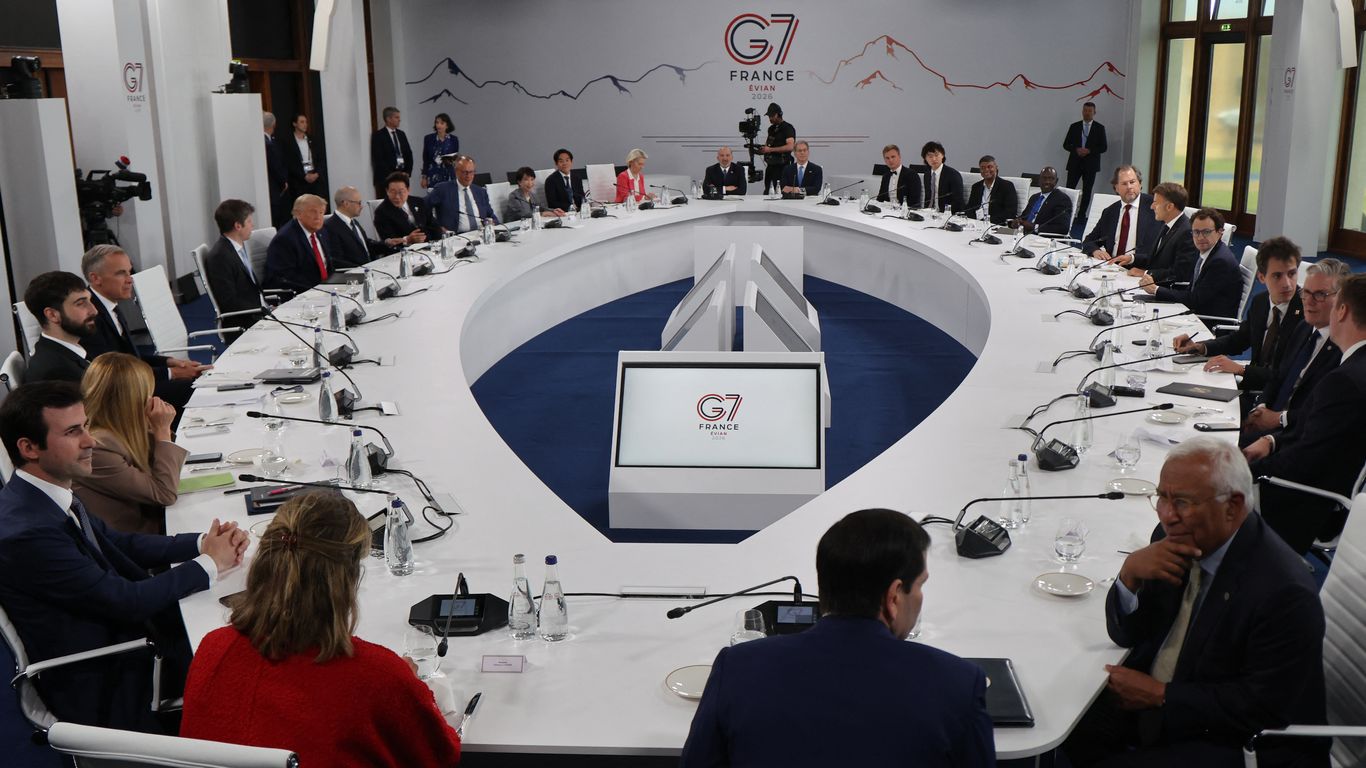
Leaders of the world’s most advanced artificial intelligence companies are increasingly operating with the influence and diplomatic standing of sovereign nation-states, a shift in global power dynamics highlighted during recent high-level international summits. As governments race to establish regulatory frameworks for generative AI, CEOs of firms like OpenAI, Anthropic, and Google DeepMind have moved from the sidelines of policy discussions to center-stage, holding bilateral meetings with heads of state and advising on the future of global economic and security infrastructure.
This integration of private sector leadership into the highest tiers of international diplomacy marks a departure from traditional corporate lobbying. While multinational corporations have long engaged with world leaders, the current discourse suggests a new geopolitical reality: AI developers are no longer merely vendors of technology; they are architects of the systems that will define future national security and economic stability. This transition has placed immense pressure on democratic institutions to maintain control over the development and deployment of technologies that move faster than most legislative processes.
The Evolution of Tech Diplomacy
Recent diplomatic engagements, including sessions at international summits in the French Alps, have underscored the peer-level status now afforded to AI executives. These leaders are no longer attending as observers; they are participating in working sessions alongside presidents and prime ministers. According to reports from the G7 summit, these interactions have shifted from basic information sharing to deep-level cooperation on international standards for AI safety and risk management. This reflects a growing consensus among Western powers that the private sector must be a partner in governing the “singularity”—the theoretical point at which AI surpasses human intelligence.

The participation of figures such as OpenAI CEO Sam Altman, Anthropic CEO Dario Amodei, and Google DeepMind CEO Demis Hassabis at these summits highlights the strategic importance placed on their respective labs. These companies are viewed as the primary repositories of the expertise required to navigate the societal and security implications of advanced AI. However, this proximity to power has raised questions regarding the balance of influence between elected officials and the private entities that control the underlying technology.
Regulatory Challenges and Global Standards
A central tension in the current global order is the conflict between national sovereignty and the borderless nature of AI development. As governments seek to impose guardrails, AI executives have consistently signaled a desire for international cooperation to avoid a fragmented global landscape. During recent closed-door discussions, industry leaders warned that splintering—or the creation of divergent regulatory environments between democracies and authoritarian regimes—could hinder the safe development of AI tools.
According to transcripts and accounts from recent summits, industry leaders have advocated for the creation of a U.S.-led international standards body. The goal is to establish globally accepted benchmarks for testing and risk analysis, ensuring that the rollout of advanced AI remains aligned with democratic values. This proposal aims to mitigate the risks of a technological arms race, yet it also places these companies in the position of being the primary authors of the regulations that will govern their own operations.
The practical challenge remains: how to integrate these private entities into the machinery of governance without ceding the democratic responsibility of oversight. As noted by industry participants, no single laboratory should hold the power to dictate the trajectory of human history, yet these companies are currently the only entities with the technical capacity to build the systems at the center of the debate.
What Happens Next: The Path Toward Formal Oversight
The immediate future of AI governance will likely be defined by the transition from informal summits to formal, treaty-based international frameworks. Governments are currently evaluating the implementation of AI safety legislation, with the European Union’s AI Act serving as a significant, albeit early, precedent for global regulation. According to the European Commission, the AI Act is the world’s first comprehensive legal framework for AI, categorizing systems based on risk levels and mandating transparency requirements for developers.

In the United States, administrative actions and executive orders continue to shape the domestic landscape. The White House, through the Department of Commerce, has initiated efforts to require developers of the most powerful AI systems to share their safety test results with the federal government. These measures represent the first steps in a long-term effort to ensure that the development of artificial intelligence remains accountable to the public interest.

For the global community, the next major checkpoint involves the ongoing deliberations within the OECD and the G7’s Hiroshima AI Process, which aims to provide a comprehensive policy approach to generative AI. Stakeholders are encouraged to monitor official updates from these bodies as they work to bridge the gap between rapid technological innovation and the necessary, albeit slower, pace of international law.
The role of AI CEOs in global governance is still in its infancy, and the long-term impact on democratic sovereignty remains a subject of intense debate. Whether this new model of “tech-diplomacy” will lead to a more secure future or create an imbalance of power is a question that will occupy policymakers and civil society for the coming decade. Join the conversation below by sharing your thoughts on whether you believe private industry should hold a formal seat at the table of international governance.