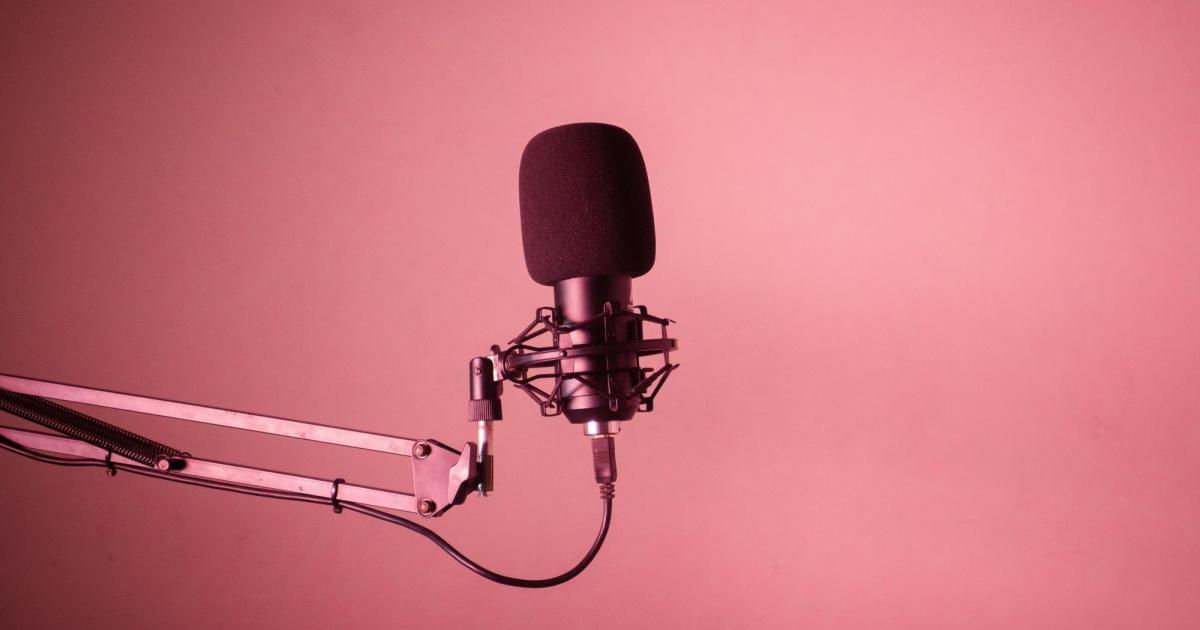
The podcast landscape is undergoing a significant shift as generative artificial intelligence enables the mass production of synthetic audio content, a phenomenon increasingly referred to by industry observers as “podslop.” This trend involves the use of AI-cloned voices and automated script generation to flood platforms with low-quality, often repetitive, or entirely fabricated audio programming. As these tools become more accessible, listeners and platforms face new challenges in distinguishing between authentic human-led discussions and content synthesized at scale for engagement or advertising revenue.
The Rise of Synthetic Audio Content
The term “podslop” has emerged within the creator community to describe the proliferation of podcasts generated primarily by AI models without significant human editorial oversight. These productions often utilize large language models to draft scripts and text-to-speech technology—frequently using voice clones—to deliver the narration. According to industry analysis by the Nieman Journalism Lab, the ease of entry for creating podcasts has historically been a strength of the medium, but the current automation trend risks overwhelming discovery algorithms with content that lacks original research or unique human perspective.
Voice cloning technology has advanced rapidly, allowing users to replicate the cadence, tone, and inflection of a human speaker with minimal training data. While these tools offer utility for accessibility and translation, their application in podcasting has raised concerns regarding transparency. Platforms like Spotify and Apple Podcasts have begun to navigate how to label synthetic content, though no universal industry standard currently exists for identifying AI-generated audio episodes.
Technological Drivers and Market Impact
The accessibility of high-quality AI voice synthesis, powered by companies like ElevenLabs and OpenAI, has lowered the barrier to entry for content creators. Software engineers and developers have noted that the integration of these APIs into automated workflows allows a single operator to produce dozens of hours of audio per week. This volume-based approach is often driven by the search for ad-revenue efficiency, where the objective is to capture search traffic rather than build a loyal audience.
Research from the Pew Research Center regarding the broader impact of AI indicates that the public remains skeptical of AI-generated content, particularly when it mimics real individuals without clear disclosure. In the podcasting sector, this has manifested in a “trust deficit,” where listeners may become wary of the authenticity of new shows. The challenge for platforms is to maintain the openness of the podcast ecosystem—which relies on RSS feeds and decentralized hosting—while curbing the influx of low-value, automated content.
Regulatory and Platform Responses
Major podcast hosting platforms and distributors are under pressure to implement safeguards. While there is no federal mandate specifically targeting “podslop,” the Federal Trade Commission (FTC) has signaled an increased focus on deceptive AI practices. In 2024, the FTC finalized a rule targeting the impersonation of individuals or organizations, which carries implications for unauthorized voice cloning in media, according to official FTC documentation.

Looking ahead, the industry is moving toward a verification-based future. This includes the development of digital watermarking for audio, which would allow listeners to identify when an episode has been created by an AI. Furthermore, platforms are likely to refine their recommendation algorithms to deprioritize accounts that exhibit patterns of mass-produced, non-original content. The next significant checkpoint for this issue will be the potential adoption of industry-wide disclosure standards, which are currently being discussed by trade associations and major digital media conglomerates.
As the technology continues to evolve, the distinction between human-led storytelling and AI-generated output remains a critical focal point for both creators and consumers. Industry participants are encouraged to monitor updates from platform policy centers and regulatory bodies for further guidance on disclosure requirements. If you have noticed an increase in automated content on your preferred listening platforms, feel free to share your observations in the comments below.
Worth a look