The Rise of “Slop“: How AI is Redefining Our Language and Online Experience
Generative AI is a powerful tool, but its misuse is becoming increasingly apparent.When a major dictionary takes notice of a new term born from that misuse, it signals a meaningful cultural shift.
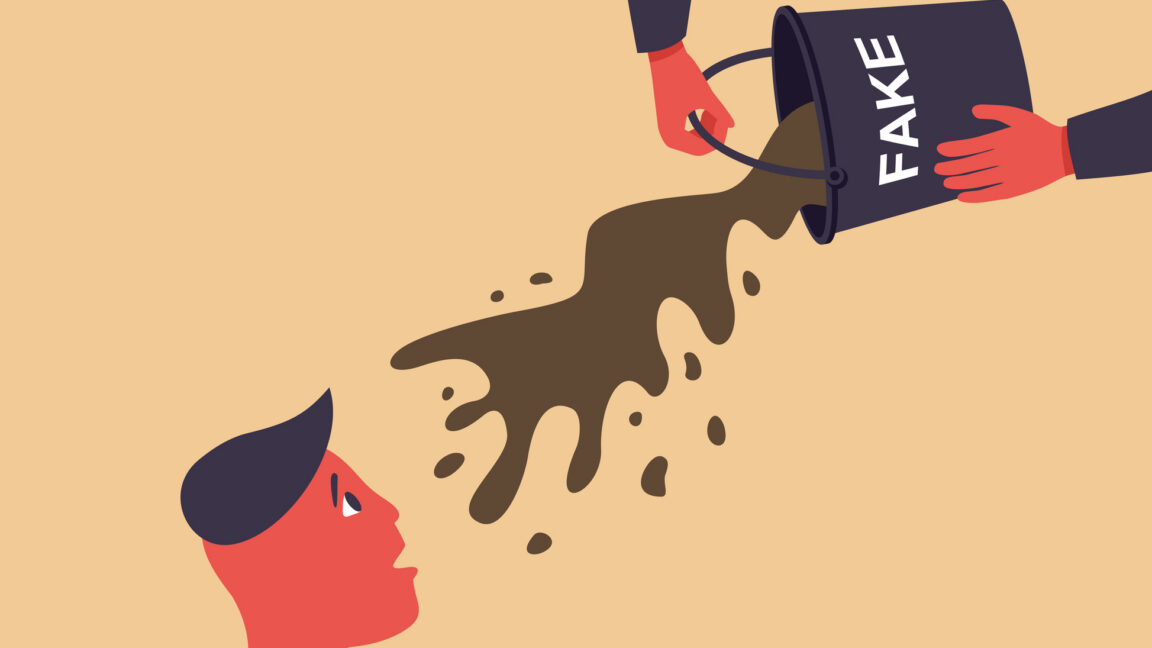
Recently, Merriam-Webster announced “slop” as its 2025 Word of the Year. This choice reflects how the term has quickly become shorthand for the overwhelming amount of low-quality, AI-generated content flooding social media, search results, and the wider web. The dictionary now defines “slop” as “digital content of low quality that is produced usually in quantity by means of artificial intelligence.”
A word for Our times
It’s a remarkably descriptive word, according to Merriam-Webster’s president. He noted that it encapsulates the captivating, frustrating, and often absurd reality of this transformative AI technology. The selection process hinges on tracking word usage and search volume, and the surge in ”slop” searches clearly indicates a growing public awareness of the fake or subpar content they encounter online.
This isn’t the first time dictionaries have acknowledged AI’s impact on language. Cambridge Dictionary selected “hallucinate” as its 2023 Word of the Year. This was due to the well-documented tendency of AI models to confidently generate plausible, yet entirely false, data.
Beyond “Slop”: A broader Cultural Shift
The trend extends beyond just AI-specific terminology. Other dictionaries are highlighting terms that capture the evolving dynamics of online culture.
* Oxford University Press chose “rage bait,” defining it as content intentionally designed to provoke anger and boost engagement.
* Cambridge Dictionary selected “parasocial,” describing the one-sided relationships many people develop with celebrities or online influencers.
These choices demonstrate a broader recognition of how technology is reshaping our interactions and perceptions.
A History of “Slop”
Interestingly, “slop” isn’t a new word. It entered the English language in the 1700s to describe soft mud. By the 1800s, it evolved to mean food waste given to pigs, and eventually, anything considered rubbish or of little value. The current AI-related definition builds on this historical context, representing something unwanted and unpleasant.
Navigating the Digital Landscape
You’re likely encountering “slop” daily,whether you realize it or not. As AI-generated content becomes more prevalent, it’s crucial to develop critical thinking skills. Consider these points:
* Verify information: Don’t accept everything you read online at face value.
* Check sources: Look for reputable sources with a track record of accuracy.
* Be skeptical: Question claims that seem too good to be true or overly sensational.
* consider the context: Understand the potential biases or motivations behind the content.
The rise of “slop” serves as a reminder that while AI offers incredible potential, it also presents challenges. By understanding the language we use to describe these challenges, and by cultivating a healthy dose of skepticism, you can navigate the digital landscape more effectively.
Related reading