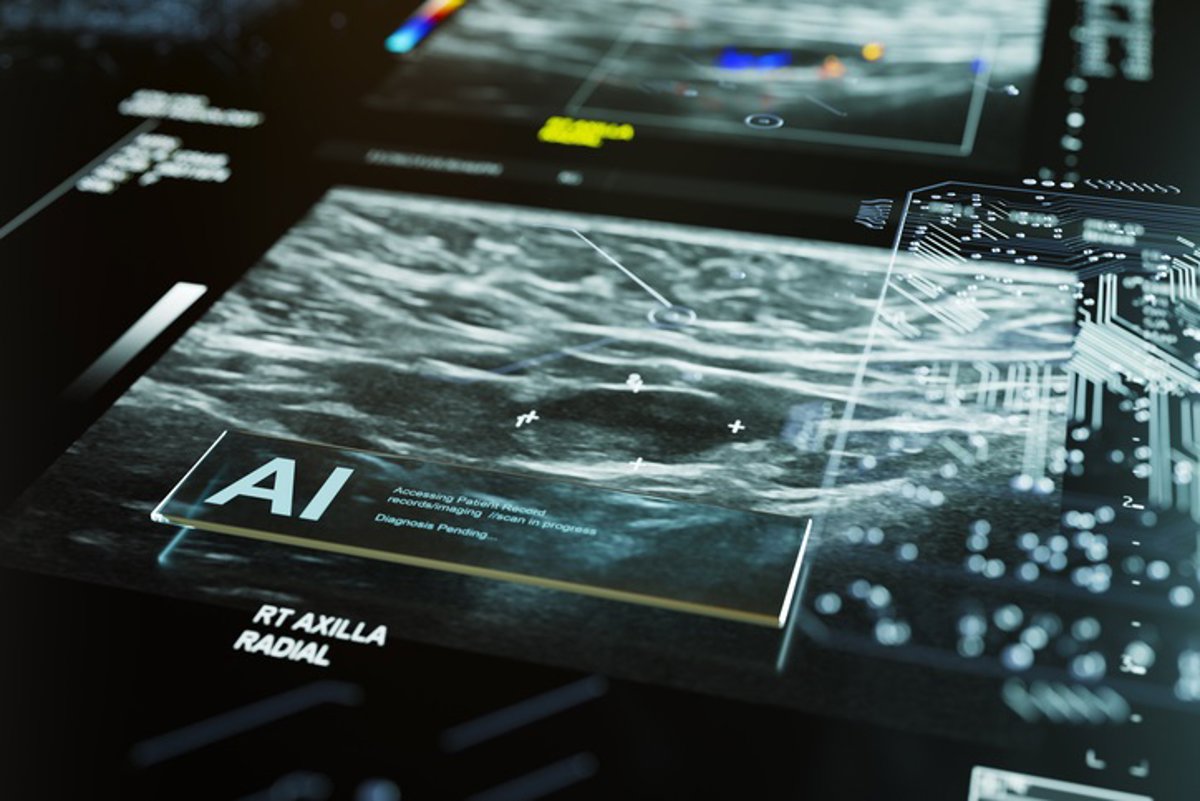
Berlin – A routine mammogram could soon offer a surprising second opinion on a woman’s cardiovascular health. Groundbreaking research published in the European Heart Journal reveals that artificial intelligence (AI) can analyze standard mammography images to predict a woman’s risk of developing serious, or even fatal, heart disease. This non-invasive assessment, leveraging existing medical imaging, has the potential to dramatically improve early detection and treatment rates for cardiovascular disease, a leading cause of death for women globally.
For decades, mammography has been a cornerstone of breast cancer screening, offering a vital tool for early detection. Now, researchers at Emory University in Atlanta, led by Dr. Hari Trivedi, have demonstrated that these same images hold valuable clues about the health of a woman’s heart. The AI algorithms focus on identifying calcium deposits in the arteries visible within the mammogram, a marker strongly associated with atherosclerosis – the hardening of the arteries – and increased risk of cardiac events like heart attack and stroke. This innovative approach could address a critical gap in healthcare, as cardiovascular disease often goes undiagnosed in women, leading to delayed or insufficient treatment.
The study, encompassing a remarkable dataset of 123,762 women who underwent mammography screening but had no prior diagnosis of cardiovascular disease, utilized AI to quantify the amount of calcium buildup in the arteries of the breast tissue. This calcification, as researchers explain, is a key indicator of arterial stiffness and a predictor of future cardiovascular problems. The level of calcification was categorized as absent, mild, moderate, or severe, and then correlated with subsequent cardiovascular events. The findings were striking: women with even mild calcification showed a 30% increased risk of serious cardiovascular events compared to those with no calcification. This risk escalated to over 70% for those with moderate calcification, and a two-to-threefold increase for women with severe calcification.
AI and the Silent Threat of Cardiovascular Disease in Women
Cardiovascular disease remains the number one killer of women worldwide, accounting for approximately 35% of deaths globally, according to the World Health Organization. Despite this alarming statistic, women are often underdiagnosed and undertreated for heart conditions compared to men. This disparity stems from a variety of factors, including differences in symptom presentation, a historical bias in research focusing primarily on male subjects, and a tendency for women to attribute symptoms to other causes. Dr. Trivedi emphasizes, “Women systematically receive insufficient diagnosis and treatment compared to men,” highlighting the urgent demand for improved detection methods.
The beauty of this new approach lies in its accessibility. Mammograms are already a widely implemented screening tool, making the integration of AI-powered cardiovascular risk assessment a potentially cost-effective and efficient solution. The analysis doesn’t require additional imaging or procedures, minimizing inconvenience for patients. The AI algorithms essentially extract additional information from data already being collected, offering a “two-for-one” benefit. What we have is particularly significant as early detection is crucial for effective intervention. Identifying women at risk allows for proactive measures, such as lifestyle modifications, cholesterol management, and, if necessary, medication, to mitigate the risk of future cardiac events.
How the AI Works: Decoding Calcium Deposits
The process hinges on the ability of AI to accurately quantify the amount of calcium present in the arterial walls. Calcification is a natural process that occurs with age, but its presence and extent can indicate underlying atherosclerosis. The AI algorithms, trained on a vast dataset of mammograms, are able to identify and measure these calcium deposits with a level of precision that surpasses human capabilities. This quantitative assessment provides a standardized metric for evaluating cardiovascular risk. The Emory University team’s research specifically focused on the arteries in the breast tissue, as these vessels often exhibit similar patterns of calcification to those in the heart.
The study’s findings held true even when accounting for other established risk factors for heart disease, such as diabetes and smoking. Notably, the increased risk associated with calcification was observed even in women under the age of 50, a demographic often considered to be at lower risk. This suggests that the AI-powered assessment could be particularly valuable in identifying younger women who might otherwise be overlooked. Dr. Trivedi’s team emphasizes that this is the largest study of its kind, encompassing a diverse population across multiple racial groups and healthcare systems in the United States, bolstering the robustness of the findings.
Implications for Clinical Practice and Public Health
The potential impact of this research extends far beyond the individual patient. Integrating this AI-powered assessment into routine mammography programs could revolutionize cardiovascular disease prevention on a population level. Healthcare providers would have access to an additional data point to inform their risk assessments and tailor treatment plans accordingly. For women, it provides an opportunity to proactively discuss their cardiovascular health with their physicians and explore preventative measures.
The researchers are currently planning a clinical trial to further validate these findings and explore the optimal implementation strategies. Key steps include integrating the AI tool into existing imaging workflows and establishing clear guidelines for communicating risk assessments to both patients and healthcare professionals. The team is as well investigating the potential for using this technology to personalize treatment plans based on an individual’s specific risk profile.
Beyond clinical applications, the findings have significant implications for public health policy. Integrating this assessment into existing mammography programs could reach tens of millions of women annually without requiring substantial infrastructure investments. This proactive approach could lead to a significant reduction in the burden of cardiovascular disease, saving lives and reducing healthcare costs.
Key Takeaways
- Early Detection Potential: AI analysis of mammograms can identify women at increased risk of cardiovascular disease, even before symptoms appear.
- Non-Invasive Assessment: The assessment utilizes existing mammography images, eliminating the need for additional procedures.
- Improved Risk Stratification: The level of calcium deposits in breast arteries provides a quantifiable metric for assessing cardiovascular risk.
- Disparity Mitigation: This technology could help address the underdiagnosis and undertreatment of cardiovascular disease in women.
- Public Health Impact: Integrating this assessment into routine screening programs could significantly reduce the burden of cardiovascular disease.
The Emory University research represents a significant step forward in the fight against cardiovascular disease, offering a novel and potentially transformative approach to early detection and prevention. As the technology continues to evolve and clinical trials yield further insights, it promises to empower both patients and healthcare providers with the tools they need to protect women’s hearts. Further research is planned to refine the AI algorithms and explore their applicability to diverse populations. The team anticipates publishing the results of their clinical trial within the next two years, providing further evidence to support the widespread adoption of this innovative technology.
If you have concerns about your cardiovascular health, please consult with your physician to discuss appropriate screening and preventative measures. Share this article with friends and family to raise awareness about the importance of early detection and proactive heart health management.
Worth a look