
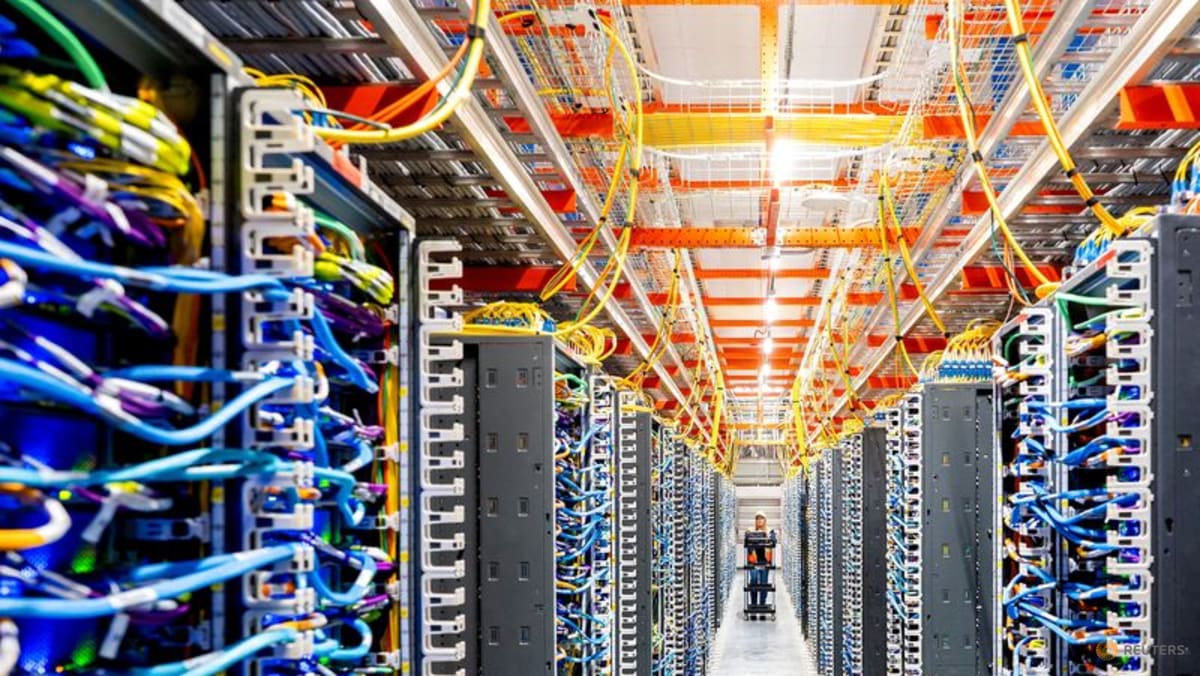
The global race for artificial intelligence supremacy is no longer just a battle of algorithms and silicon. As generative AI models grow in complexity and scale, the industry is facing a critical bottleneck: electricity. To sustain the massive power requirements of the data centers that train and run these systems, the world’s largest technology firms are now deploying significant financial resources to secure next-generation nuclear power.
This strategic pivot represents a fundamental shift in how Big Tech approaches sustainability and infrastructure. While these companies have long championed wind and solar energy, the intermittent nature of renewables cannot meet the “always-on” demand of AI workloads. Industry leaders are turning to nuclear energy to provide a reliable, carbon-free baseline of power that can operate around the clock.
The scale of this energy demand is unprecedented. The infrastructure required to support the next generation of AI is driving a parallel race to secure clean electricity, moving the conversation from the software lab to the nuclear reactor. This movement is reshaping the funding landscape for nuclear technologies, bringing private capital into a sector that has historically relied on government backing.
The Push for Small Modular Reactors: Google’s Strategic Bet
Google has emerged as a primary driver in the adoption of next-generation nuclear technology through a landmark agreement with Kairos Power. The company is investing in the development of small modular reactors (SMRs), which are designed to be more flexible and faster to deploy than traditional, large-scale nuclear plants. According to reports, Google intends to purchase power from Kairos Power to help deliver on the progress of AI.

The timeline for this rollout is ambitious. Google has indicated that the first nuclear reactor from Kairos Power is expected to be online by 2030, with additional reactors scheduled to go live through 2035 . This phased approach allows the company to scale its energy capacity in tandem with the growing power needs of its AI data centers.
The rationale behind this move is grounded in the necessity for stability. Michael Terrell, senior director for energy and climate at Google, emphasized the critical nature of this transition during a call with reporters, stating: “The grid needs these kinds of clean, reliable sources of energy that can support the build out of these technologies.” Terrell further noted that nuclear energy can play an “important role” in meeting demand cleanly and in a way that is more “around the clock” .
Resurrecting the Past: Microsoft and Three Mile Island
While Google is betting on the future of SMRs, Microsoft is looking toward the revitalization of existing nuclear infrastructure. In a significant move to bolster its energy supply, Microsoft signed a deal with the U.S. Energy firm Constellation to restart a defunct reactor at the Three Mile Island nuclear power plant in Pennsylvania .
This agreement highlights a growing trend where tech giants are not only funding latest technology but are also acting as anchor tenants for existing nuclear assets that were previously decommissioned. By providing a guaranteed buyer for the electricity, Microsoft is making it financially viable for energy providers to bring idle nuclear capacity back online.
This approach addresses the immediate urgency of the AI boom. While SMRs offer a long-term solution, the resurrection of existing reactors provides a more direct path to increasing energy capacity for the massive data centers required to train the largest generative AI models.
Why AI Requires a Nuclear Solution
The transition to nuclear energy is driven by the specific technical requirements of generative AI. Unlike standard cloud computing, the training of large language models (LLMs) requires thousands of GPUs running at maximum capacity for weeks or months at a time. This creates a constant, high-intensity load on the electrical grid.
The industry’s reliance on nuclear power stems from three primary factors:
- Base-Load Reliability: Unlike solar and wind, which are variable and depend on weather conditions, nuclear power provides a steady, uninterrupted flow of electricity.
- Carbon Neutrality: To meet corporate climate goals, Big Tech firms require energy sources that do not emit greenhouse gases during operation.
- Scalability: The sheer volume of power needed for AI data centers is beginning to exceed what current renewable installations and grid capacities can provide.
As noted in reports from Reuters, Big Tech is effectively reshaping the funding landscape for nuclear technologies, using its massive financial reserves to accelerate the deployment of energy sources that were previously considered too expensive or slow to develop.
Key Takeaways: The Intersection of AI and Nuclear Energy
| Company | Partner/Provider | Strategy | Key Milestone |
|---|---|---|---|
| Kairos Power | Small Modular Reactors (SMRs) | First reactor online by 2030 | |
| Microsoft | Constellation | Reactor Resurrection | Restarting Three Mile Island reactor |
What This Means for the Global Energy Grid
The entry of Big Tech into the nuclear sector has broader implications for global economic policy and energy infrastructure. By absorbing the initial financial risk of next-gen nuclear projects, these companies may lower the cost of entry for other industries to adopt SMRs and other advanced nuclear technologies.
However, this shift also places immense pressure on regulatory bodies to streamline the approval process for new reactors without compromising safety. The “AI race” is now as much about energy procurement as it is about computing power, creating a new competitive frontier where the winners may be those who can most efficiently secure carbon-free, 24/7 electricity.
The current trajectory suggests that the AI boom is no longer just a story about chips and models, but a fundamental restructuring of the energy economy to support a new era of computing.
The next major milestone in this transition will be the progress of Kairos Power’s reactor development, with the first operational goal set for 2030.
Do you believe nuclear energy is the only viable path for the future of AI, or should the focus remain on diversifying renewables? Share your thoughts in the comments below.