
Weather is more than just a backdrop for our daily commutes or a reason to carry an umbrella; It’s a powerful biological driver. From the subtle shift in atmospheric pressure during a storm to the oppressive weight of a heatwave, the environment constantly interacts with our internal systems. Although we often focus on the obvious—such as shivering in the cold or sweating in the heat—the weather and health connection extends far deeper, influencing everything from our respiratory triggers to reproductive outcomes.
As a physician and journalist, I have spent over a decade observing how environmental stressors manifest in clinical settings. The intersection of meteorology and medicine is a critical field of study, especially as global climate patterns shift. Understanding how external conditions trigger internal responses allows us to move from reactive treatment to proactive prevention, mitigating risks before they become medical emergencies.
Recent data suggests that the impact of weather is not merely anecdotal. Extreme temperature fluctuations and atmospheric changes can act as catalysts for systemic physiological responses. Whether it is the sudden spike in allergy symptoms following a thunderstorm or the documented risks associated with extreme heat, the biological toll of our environment is significant and often underestimated.
The “Thunderstorm Asthma” Phenomenon and Allergies
Many people experience a surge in allergy symptoms during a storm, a phenomenon that can be surprisingly severe. While rain typically clears the air of pollen, certain conditions during thunderstorms can actually exacerbate respiratory distress. This occurs when moisture and wind break pollen grains into smaller, more potent fragments that can penetrate deeper into the lungs, potentially triggering asthma attacks in individuals who may not even have a history of the condition.
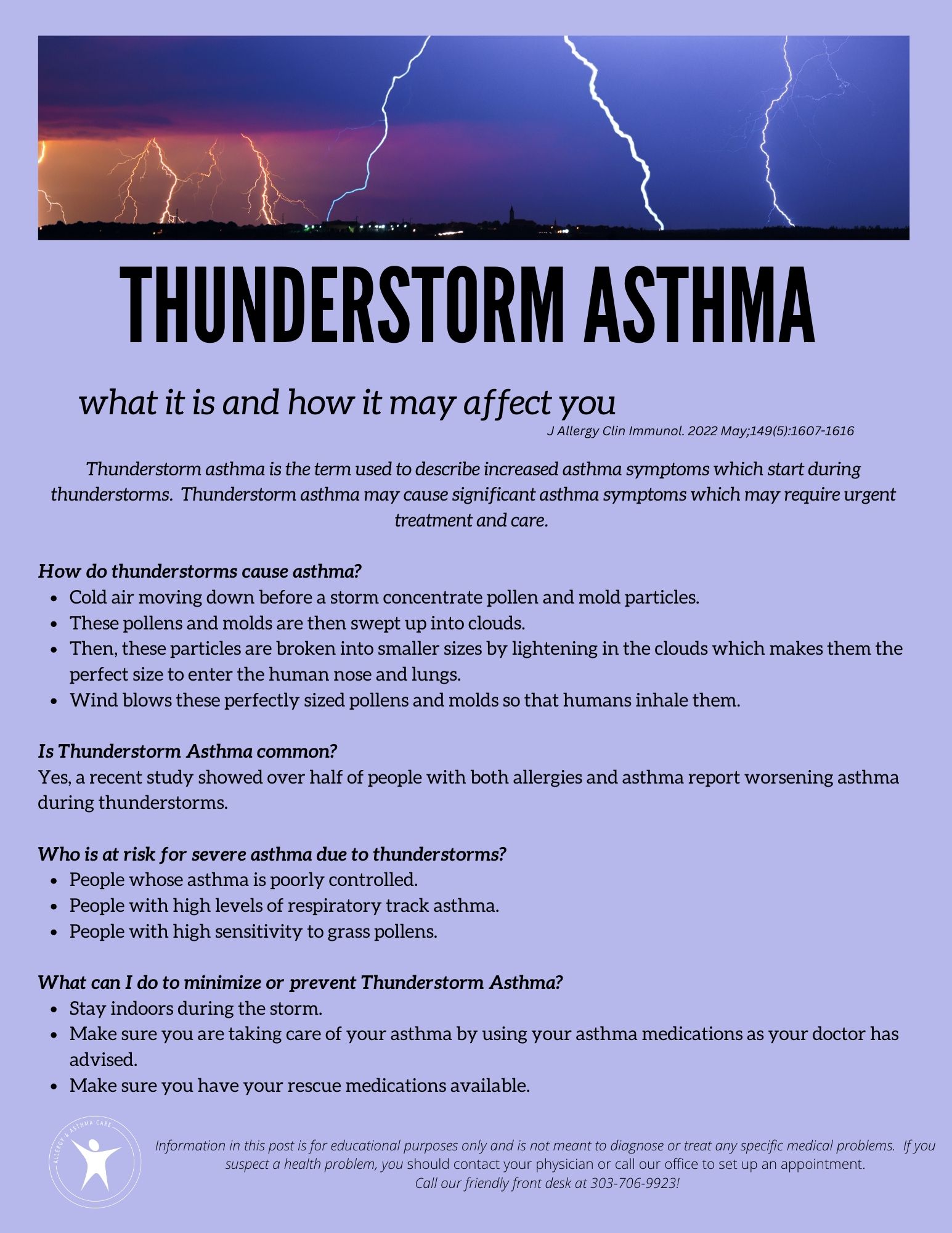
These atmospheric shifts create a volatile environment for the respiratory system. When high humidity combines with these fragmented allergens, the body’s immune response is heightened. For those with hypersensitivity, the result is not just a runny nose, but a significant increase in airway inflammation and difficulty breathing.
Extreme Heat and Physiological Stress
The human body is designed for homeostasis, but extreme heat pushes this system to its limit. When ambient temperatures soar, the body relies on thermoregulation—primarily through sweating—to cool down. However, when temperatures reach critical levels, this mechanism can fail, leading to heat exhaustion or heatstroke.
The long-term implications are even more concerning. Reports indicate that if current trends continue and no action is taken, temperatures could reach 50 degrees Celsius by 2050 Ouest-France
. At such extremes, the body’s ability to dissipate heat is compromised, placing immense strain on the cardiovascular system as the heart works harder to pump blood to the skin for cooling.
Practical Cooling Strategies
In the face of rising temperatures, many turn to improvised cooling methods. One common household tip involves using a fan paired with ice packs to cool a room. However, the effectiveness of such “hacks” is often debated in technical reviews, as the cooling capacity of a few ice packs is minimal compared to the volume of air in a standard room Les Numériques
. For genuine heat mitigation, medical professionals recommend staying hydrated, utilizing air conditioning when available, and seeking shade during peak UV hours.
Environmental Impacts on Reproduction and Birth
The influence of weather extends into the most intimate aspects of human biology, including libido and reproductive health. Environmental stressors, such as extreme heat or poor air quality from fires, can impact hormonal balance and overall well-being, which in turn affects sexual health and desire.
More critically, weather patterns have been linked to pregnancy outcomes. High temperatures and extreme heatwaves are associated with an increased risk of premature births. The physiological stress caused by overheating can trigger systemic inflammation and affect placental blood flow, potentially leading to early labor. This underscores the importance of prenatal care that accounts for environmental risks, particularly for expectant mothers living in regions prone to extreme heat.
Summary of Weather-Health Interactions
| Weather Event | Primary Biological Impact | Key Health Risk |
|---|---|---|
| Thunderstorms | Pollen fragmentation | Severe asthma/allergic reactions |
| Extreme Heat | Thermoregulation failure | Heatstroke and cardiovascular strain |
| Heatwaves | Systemic inflammation | Increased risk of premature birth |
| High UV/Sun | Skin damage | Dermatological issues and heat stress |
As we navigate a changing climate, staying informed about these biological triggers is essential. Monitoring local weather advisories and understanding your own body’s sensitivity to environmental shifts can significantly improve your health outcomes. Please share your experiences with seasonal health shifts in the comments below, and share this guide with others who may be affected by these environmental triggers.
Related reading