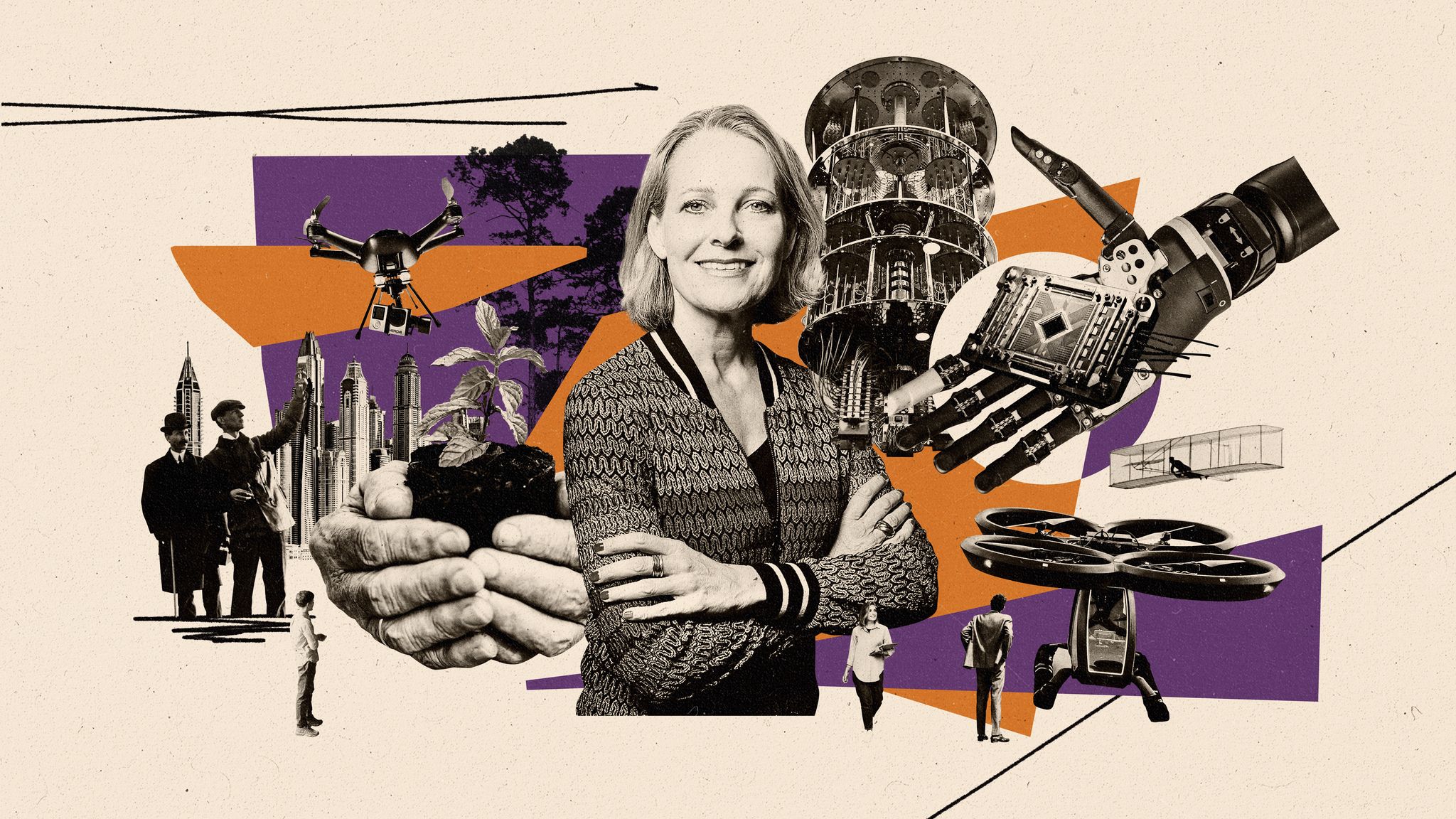
The rapid advancement of artificial intelligence is sparking a renewed debate about the future of operate, human relevance, and even our sense of purpose. While discussions about AI’s potential have long existed, recent breakthroughs in generative AI – systems capable of creating text, images, and other content – have intensified anxieties about widespread job displacement and a potential devaluation of human skills. The question isn’t simply *if* AI will change our lives, but *how* we prepare for a future where human contributions may be increasingly overshadowed by intelligent machines. This isn’t a recent concern; anxieties about technological unemployment have surfaced with each major industrial revolution, but the speed and scope of AI development present unique challenges.
The current wave of AI development is largely fueled by advancements in machine learning, particularly deep learning. These techniques allow AI systems to learn from vast amounts of data, identifying patterns and making predictions with increasing accuracy. Generative AI models, like those powering image creation tools and sophisticated chatbots, represent a significant leap forward, demonstrating an ability to not just analyze information but to *create* novel content. This capability extends beyond creative fields; AI is increasingly being used in areas like software development, scientific research, and financial analysis, automating tasks previously considered the exclusive domain of human experts. The implications for the labor market are substantial, and require proactive consideration.
The Shifting Landscape of Work
The fear of job displacement due to automation is not new. Throughout history, technological advancements have led to shifts in the types of jobs available. The Industrial Revolution, for example, saw the mechanization of agriculture and manufacturing, leading to the decline of traditional artisanal crafts and the rise of factory work. Still, these transitions typically occurred over decades, allowing workers time to adapt and acquire new skills. The current pace of AI development is significantly faster, potentially compressing the timeframe for adaptation and exacerbating the challenges of workforce transition. A 2023 report by McKinsey Global Institute estimated that AI and automation could displace between 400 and 800 million jobs globally by 2030, though it also noted that new jobs would likely be created. McKinsey Global Institute
The types of jobs most vulnerable to automation are those that are repetitive, rule-based, and require minimal creativity or critical thinking. This includes many administrative tasks, data entry positions, and certain manufacturing roles. However, even jobs traditionally considered “safe” – such as those in law, medicine, and education – are increasingly being impacted by AI. AI-powered tools can assist lawyers with legal research, help doctors diagnose diseases, and personalize learning experiences for students. This doesn’t necessarily mean these professions will disappear, but it does suggest that the skills required to succeed in these fields will evolve. The emphasis will likely shift towards uniquely human capabilities, such as emotional intelligence, complex problem-solving, and ethical reasoning.
Preparing for a Future of Augmented Intelligence
Rather than focusing solely on the threat of job displacement, it’s crucial to consider the potential for AI to *augment* human capabilities. The concept of “augmented intelligence” suggests that AI should be used as a tool to enhance human performance, rather than replace it entirely. This requires a shift in mindset, from viewing AI as a competitor to seeing it as a collaborator. For example, AI-powered tools can automate tedious tasks, freeing up human workers to focus on more strategic and creative endeavors. In healthcare, AI can assist doctors in analyzing medical images, allowing them to make more accurate diagnoses and provide better patient care. In education, AI can personalize learning experiences, tailoring instruction to the individual needs of each student.
Preparing for this future requires a multi-faceted approach, encompassing education, workforce development, and social safety nets. Investing in education and training programs that focus on developing skills that are complementary to AI – such as critical thinking, creativity, and emotional intelligence – is essential. Lifelong learning will become increasingly significant, as workers will need to continually update their skills to remain relevant in a rapidly changing job market. Governments and businesses need to explore new models for social safety nets, such as universal basic income or expanded unemployment benefits, to provide support for workers who are displaced by automation. The discussion around these policies is ongoing, with varying perspectives on their feasibility and effectiveness.
The Rise of AI-Generated Content and its Implications
The emergence of generative AI has introduced a new dimension to the debate about human relevance. AI systems can now create realistic images, write compelling text, and even compose music, raising questions about the value of human creativity. Platforms like DALL-E 2, Midjourney, and Stable Diffusion allow users to generate images from text prompts, while tools like ChatGPT can produce human-quality text on a wide range of topics. OpenAI’s DALL-E 2, Midjourney, and Stability AI are key players in this space.
This raises concerns about the potential for misuse, such as the creation of deepfakes and the spread of misinformation. It also challenges traditional notions of authorship and intellectual property. If an AI system creates a piece of art, who owns the copyright? These are complex legal and ethical questions that are still being debated. The proliferation of AI-generated content could lead to a devaluation of human creativity, as the market becomes saturated with low-cost, AI-produced alternatives. However, it’s also important to recognize that AI-generated content can be a powerful tool for creativity, allowing artists and designers to explore new ideas and push the boundaries of their craft.
@ki.fantasie4 KI Fantasie
Navigating the Ethical Considerations
The development and deployment of AI raise a number of ethical concerns that must be addressed. Bias in AI algorithms is a particularly pressing issue. AI systems are trained on data, and if that data reflects existing societal biases, the AI system will likely perpetuate those biases. This can lead to unfair or discriminatory outcomes in areas such as hiring, loan applications, and criminal justice. Ensuring fairness and transparency in AI algorithms is crucial. This requires careful data curation, algorithm design, and ongoing monitoring.
Another ethical concern is the potential for AI to be used for malicious purposes, such as autonomous weapons systems or surveillance technologies. The development of autonomous weapons systems, often referred to as “killer robots,” raises profound moral and legal questions. Many experts and organizations are calling for a ban on the development and deployment of such weapons. Similarly, the use of AI for surveillance raises concerns about privacy and civil liberties. Striking a balance between security and freedom is a critical challenge.
The Future of Human-AI Collaboration
the future of work and human relevance in the age of AI will depend on our ability to adapt and collaborate. Rather than viewing AI as a threat, we should embrace its potential to augment our capabilities and solve some of the world’s most pressing challenges. This requires a proactive approach, encompassing education, workforce development, and ethical considerations. The focus should be on developing skills that are uniquely human – such as creativity, critical thinking, and emotional intelligence – and on fostering a culture of lifelong learning.
The conversation surrounding AI is constantly evolving. Ongoing research and development will continue to push the boundaries of what’s possible, and it’s essential to stay informed about the latest advancements. The next key developments to watch include advancements in explainable AI (XAI), which aims to make AI decision-making more transparent and understandable, and the development of more robust and reliable AI safety protocols. The European Union is currently finalizing the AI Act, a comprehensive regulatory framework for AI, which is expected to have a significant impact on the development and deployment of AI technologies globally. The AI Act
As AI continues to reshape our world, it’s crucial to engage in open and honest dialogue about its implications. What are your thoughts on the future of work in the age of AI? Share your perspectives in the comments below.
Keep reading