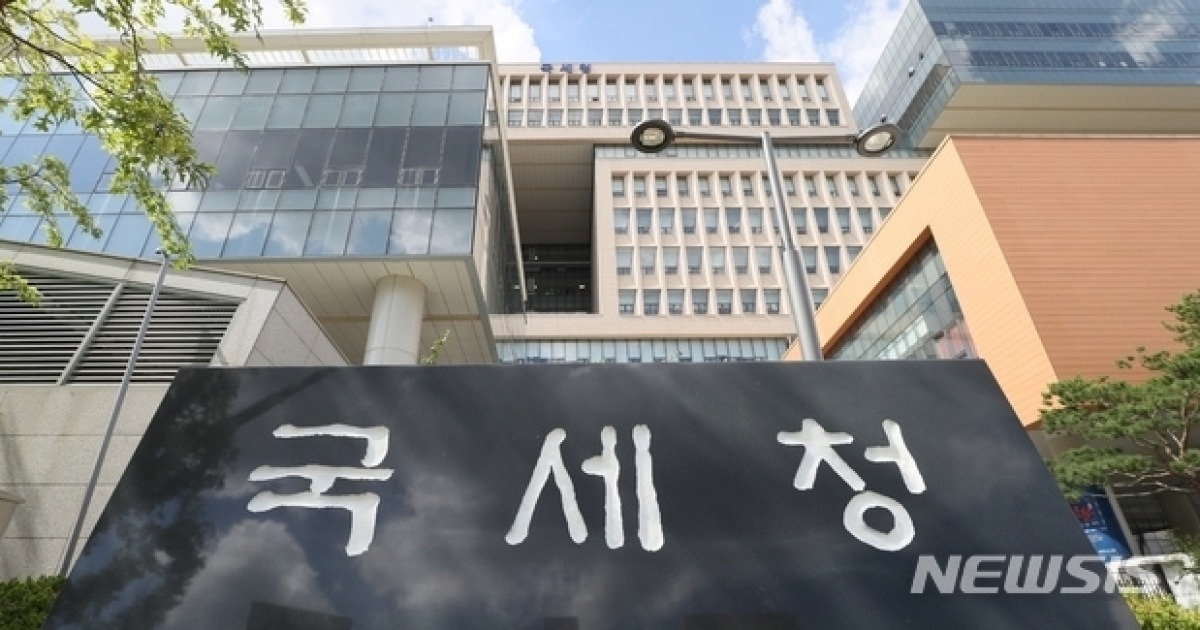
Seoul, South Korea – South Korean authorities have launched comprehensive tax investigations into 16 individuals operating as online content creators, including a physician who allegedly used artificial intelligence (AI) to generate misleading medical advertisements to attract patients. The crackdown, announced Thursday by the National Tax Service (NTS), signals a growing effort to regulate the burgeoning online media landscape and address concerns about misinformation, tax evasion, and the exploitation of digital platforms.
The investigations target a diverse group of “YouTubers” and other online personalities accused of spreading false information, inciting conflict, and promoting tax avoidance schemes. The NTS stated its aim is to enforce the principle of “taxation where income exists” and to curb practices that undermine public trust and financial integrity. This action comes amid increasing scrutiny of online influencers and their potential to manipulate public opinion and financial markets.
The physician, identified only as “C,” is accused of utilizing AI-generated, exaggerated, and false medical advertising to draw in patients. According to reports, C allegedly inflated advertising expenses by making excessive payments to advertising agencies, effectively boosting operational costs and reducing taxable income. Newsis reported that What we have is just one facet of a broader investigation into deceptive practices within the online health information sphere.
Targeting Malicious Content and Financial Irregularities
The NTS investigation is divided into three primary categories. The first focuses on three individuals labeled “cyber leakers” who create malicious content designed to defame others and generate views through controversy. These individuals are accused of improperly deducting fines and penalties as business expenses. The second category encompasses seven YouTubers specializing in real estate and taxation, accused of promoting speculative investments and tax evasion tactics. The final group of six creators are alleged to have disseminated false or inappropriate content.
The investigations are not limited to the content creators themselves; the NTS will also scrutinize related individuals and financial transactions, including tracking sponsorship funds. This broad approach reflects a determination to uncover the full extent of any financial wrongdoing. The agency emphasized its commitment to addressing the “root causes” of tax evasion within the online content creation industry.
AI-Generated Misinformation in Healthcare
The case involving the physician-YouTuber highlights a growing concern about the use of AI to spread medical misinformation. The Chosun Ilbo reported that C’s actions represent a concerning escalation in the exploitation of AI for personal gain, potentially at the expense of patient health and well-being. The use of AI to create convincing but inaccurate medical advertisements raises ethical and legal questions about the responsibility of online platforms and content creators.
The NTS investigation comes as regulators worldwide grapple with the challenges of regulating AI-generated content. The rapid advancement of AI technology has made it increasingly tough to distinguish between authentic and fabricated information, creating opportunities for malicious actors to exploit the technology for financial gain or to spread disinformation. The South Korean government has previously expressed concerns about the potential for AI to be used to manipulate public opinion and undermine democratic processes.
The use of AI in healthcare advertising is particularly sensitive, as inaccurate or misleading information can have serious consequences for patient health. Patients may build ill-informed decisions about their care based on false claims, potentially delaying or forgoing necessary medical treatment. The NTS investigation is likely to prompt a broader discussion about the necessitate for stricter regulations governing the use of AI in healthcare marketing.
Broader Implications for Online Content Creators
The NTS crackdown is part of a wider effort by the South Korean government to address the negative consequences of online misinformation and to promote a more responsible online media environment. Earlier this month, the government announced plans to strengthen regulations governing online platforms and to increase penalties for spreading false information. The government’s actions are aligned with its stated goal of restoring “publicity of online media” and building a “future-oriented media ecosystem.”
The investigations are expected to have a chilling effect on the online content creation industry in South Korea, prompting creators to exercise greater caution in their content and to ensure compliance with tax laws. The NTS has warned that it will continue to monitor online activity and to take action against individuals who engage in illegal or unethical practices. The agency’s message is clear: online content creators are not exempt from the law and will be held accountable for their actions.
The case of the physician-YouTuber also raises questions about the role of advertising agencies in facilitating deceptive marketing practices. The NTS is investigating whether the advertising agencies knowingly participated in the scheme to inflate advertising expenses and evade taxes. If found guilty, the agencies could face significant penalties and reputational damage.
Tax Evasion Tactics Under Scrutiny
The NTS is focusing on several common tax evasion tactics employed by online content creators. These include falsely classifying personal expenses as business expenses, underreporting income, and using shell companies to conceal assets. The agency is also investigating the use of cryptocurrency to facilitate illicit financial transactions. The Korea Herald noted that one tactic involved claiming subscriptions to magazines as tax deductions, exploiting a loophole in the tax code that exempts magazine subscriptions from value-added tax.
The investigations are expected to uncover a range of financial irregularities and to provide valuable insights into the evolving methods used by online content creators to evade taxes. The NTS plans to share its findings with other government agencies and to collaborate on efforts to strengthen tax enforcement and to promote greater transparency in the online economy.
The NTS has not released a timeline for the completion of the investigations, but officials have indicated that they expect the process to take several months. The agency has pledged to conduct a thorough and impartial investigation and to hold all those responsible for wrongdoing accountable.
As the investigations unfold, the South Korean government is likely to face pressure to implement more comprehensive regulations governing the online content creation industry. The case of the physician-YouTuber serves as a stark reminder of the potential for online platforms to be exploited for malicious purposes and the need for effective oversight to protect consumers and ensure financial integrity.
The next step in this case will be the NTS’s detailed audit of the 16 individuals and their associated financial records. The agency is expected to release preliminary findings in the coming months. Readers can stay updated on this developing story through official NTS announcements and reporting from reputable news organizations.
What are your thoughts on the regulation of online content creators? Share your opinions in the comments below, and please share this article with your network.
Worth a look