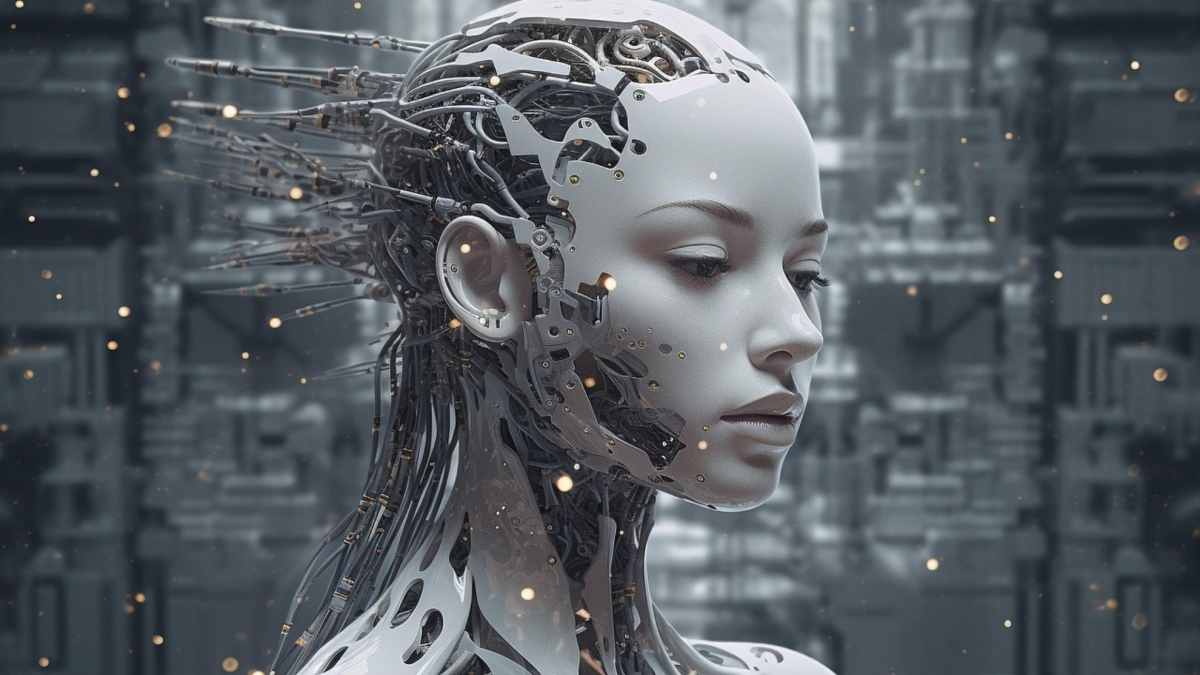
The Unfolding Future: Imagining Artificial Intelligence in 2040
The pace of technological advancement often feels incremental, a slow burn of improvement rather than a sudden revolution. Consider the evolution of the internet, personal computers, or even mobile phones – devices that, looking back just three years, haven’t undergone radical transformations. Yet, artificial intelligence (AI) presents a distinctly different trajectory. Its capacity for development is unprecedented, sparking both excitement and apprehension about what the year 2040 might hold. The rapid evolution of AI-generated content, demonstrated through increasingly realistic simulations, is fueling this speculation. This isn’t simply about faster processing speeds; it’s about a fundamental shift in how technology learns and adapts, prompting questions about its ultimate potential and its impact on humanity.
Recent demonstrations of AI’s capabilities, particularly in generating realistic media, have captured public attention. Social media users are sharing examples of AI-generated videos depicting public figures like Will Smith, showcasing the dramatic improvements in just a few short years – 2023, 2024, 2025, and 2026. These visual comparisons highlight the accelerating rate of AI development, leading to a sense of uncertainty about its future trajectory. The implications extend far beyond entertainment, touching upon fields like information integrity, creative industries, and even our understanding of reality itself. The question isn’t just *what* AI will be able to do in 2040, but *how* it will reshape our world.
Skepticism and Speculation: Public Reactions to AI’s Potential
The prospect of such rapid advancement isn’t universally embraced. Online discussions reveal a spectrum of opinions, ranging from cautious optimism to outright skepticism. Some observers draw parallels to past technological predictions that failed to materialize, pointing to ambitious goals like Martian colonization by the year 2000, initially envisioned after the Apollo moon landing. This historical perspective suggests that AI’s development might encounter unforeseen limitations, preventing it from reaching its most ambitious projections. The idea that technological progress isn’t linear, and that initial enthusiasm can be tempered by practical challenges, resonates with many.
Conversely, a significant number of individuals believe that AI’s potential is virtually limitless. A prevailing concern within this viewpoint is the possibility of a power dynamic shift, where humans turn into mere data providers for an increasingly sophisticated AI. This dystopian vision suggests that we may willingly surrender our privacy, attention, and critical thinking skills in exchange for the convenience and perceived benefits of AI-driven services. The idea that AI could exploit human vulnerabilities for its own purposes is a recurring theme in discussions about the future of this technology. This concern highlights the importance of ethical considerations and responsible development practices.
Transforming Industries: The Potential Impact of AI by 2040
Despite the anxieties, many see significant positive potential in AI’s future. One frequently cited example is the entertainment industry, where AI could revolutionize content creation and preservation. The ability to realistically recreate deceased actors and musicians, as suggested by some social media users, could open up fresh avenues for storytelling and artistic expression. However, this also raises complex ethical and legal questions regarding intellectual property, artistic integrity, and the rights of individuals to control their likeness. The very nature of the film industry, as we know it, could be fundamentally altered.
Beyond entertainment, AI is poised to impact numerous other sectors. Healthcare could see breakthroughs in diagnostics, personalized medicine, and drug discovery. Transportation could be transformed by fully autonomous vehicles, leading to increased safety and efficiency. Manufacturing could benefit from AI-powered automation, optimizing production processes and reducing costs. However, these advancements also raise concerns about job displacement and the need for workforce retraining. The societal implications of widespread AI adoption will require careful planning and proactive mitigation strategies.
Current State of AI Integration: Android and Samsung’s Initiatives
As of March 2026, AI is already becoming increasingly integrated into everyday devices and services. Google’s Android operating system is incorporating AI features designed to simplify daily tasks, offering assistance with everything from home décor ideas to recipe guidance. The Gemini AI assistant is a key component of this strategy, providing users with instant access to information and a more natural search experience. Android’s AI initiatives focus on enhancing user experience through intelligent features and seamless integration with Google services.
Samsung is also heavily invested in AI, with its “Galaxy AI” suite of features integrated into its smartphones, tablets, and wearable devices. Galaxy AI aims to provide users with a comprehensive AI companion, offering assistance with a wide range of tasks. Features like Circle to Search, which allows users to search for anything on their screen simply by circling it, demonstrate the potential of AI to make information access more intuitive and efficient. The availability of these features varies depending on the device and region, highlighting the ongoing rollout of AI technology.
However, a recent report suggests that the AI we currently utilize isn’t fully integrated into our devices, but rather accessed through an internet connection. This distinction is crucial, as it implies that the full potential of AI is dependent on network connectivity and access to cloud-based resources. This reliance on external infrastructure raises questions about data privacy, security, and the potential for disruptions in service. The debate over whether AI should be processed locally on devices or remotely in the cloud is likely to continue as the technology evolves.
The Evolving Landscape of AI: Challenges and Opportunities
The development of AI is not without its challenges. Concerns about bias in algorithms, the potential for misuse, and the ethical implications of autonomous systems require careful consideration. Ensuring that AI is developed and deployed responsibly is crucial to mitigating these risks and maximizing its benefits. This requires collaboration between researchers, policymakers, and industry leaders to establish clear guidelines and standards.
the increasing demand for data to train AI models raises privacy concerns. Protecting sensitive information and ensuring data security are paramount. The development of privacy-preserving AI techniques, such as federated learning, is essential to address these challenges. Federated learning allows AI models to be trained on decentralized data sources without requiring the data to be shared, enhancing privacy and security.
Despite these challenges, the opportunities presented by AI are immense. From solving complex scientific problems to improving the quality of life for millions of people, AI has the potential to transform our world in profound ways. The key to realizing this potential lies in fostering innovation, promoting responsible development, and ensuring that AI benefits all of humanity.
Key Takeaways
- AI is developing at an unprecedented rate, sparking debate about its potential impact by 2040.
- Public opinion is divided, with some expressing skepticism and others anticipating transformative changes.
- Current AI integration focuses on enhancing user experience through features like intelligent assistants and intuitive search tools.
- Ethical considerations, data privacy, and responsible development are crucial to mitigating the risks associated with AI.
- AI has the potential to revolutionize numerous industries, from healthcare and transportation to entertainment and manufacturing.
As AI continues to evolve, it’s crucial to stay informed about its latest developments and engage in thoughtful discussions about its implications. The next major milestone to watch will be the release of further details regarding Google’s Gemini updates scheduled for late 2026. What are your thoughts on the future of AI? Share your perspectives in the comments below and join the conversation.
Keep reading