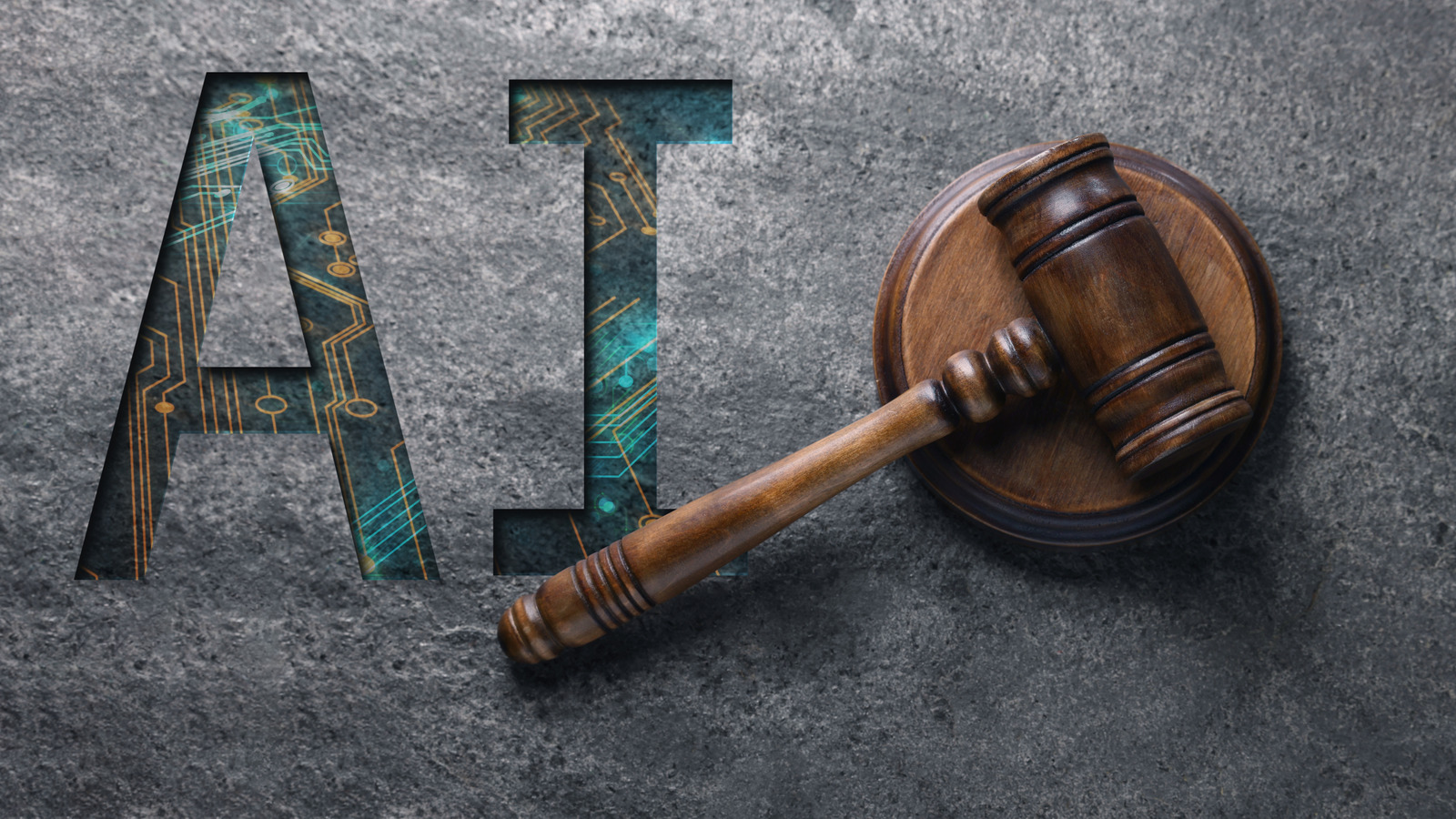
The Rise of AI in the Courtroom: Navigating a New Legal Landscape
Artificial intelligence is rapidly changing manny facets of our lives, and the legal system is no exception. You’re likely hearing more and more about AI-generated evidence and its implications for courtrooms across the country. ItS a complex issue, filled with both potential benefits and significant risks. Let’s break down what’s happening and what it means for the future of justice.
A Double-Edged Sword: Concerns and Opportunities
Currently, legal battles involving AI are becoming increasingly common.Consider the heartbreaking cases, like those where families are pursuing legal action against AI developers, alleging harm caused by their technology. Simultaneously, there’s growing discussion about how AI could actually improve the legal process.
A key distinction is being made between “acknowledged” and “unacknowledged” AI use. Acknowledged AI is transparent – its use is declared, and its purpose is clear. This is where the potential for positive impact lies. Unacknowledged AI,on the other hand,represents attempts to introduce AI-driven insights covertly,raising serious ethical and legal concerns.
How AI is Being Used – and Could Be Used – in Courts
Several applications of acknowledged AI are already emerging. Here’s a look at some key areas:
* Enhancing Evidence: AI can significantly improve the clarity of video and audio recordings,a tool lawyers are already utilizing.
* Legal Research: Imagine sifting through mountains of legal documents in seconds. AI-powered tools can accelerate legal research and data analysis.
* Identification Assistance: AI can aid in identifying individuals within surveillance footage, possibly speeding up investigations.
Navigating the Risks: Accuracy and Fairness
While these advancements are promising, it’s crucial to acknowledge the inherent risks. Relying on AI without a thorough understanding of its limitations can compromise fairness and accuracy.
Consider the potential for errors in AI-driven identification. there have been documented instances of wrongful arrests stemming from inaccuracies in facial recognition technology. This underscores the need for careful oversight and validation.
The Path Forward: Responsible Implementation
The integration of AI into the legal system isn’t about simply adopting the latest technology. It’s about responsible implementation.Here are some critical considerations:
* Rigorous Testing: AI tools must be thoroughly tested and validated to ensure accuracy and reliability.
* Openness: The use of AI should always be transparent to all parties involved in a legal proceeding.
* Human Oversight: AI should assist legal professionals, not replace them. Human judgment remains essential.
* Ongoing Evaluation: Continuous monitoring and evaluation are necessary to identify and address potential biases or errors.
The intersection of AI and the law is a rapidly evolving field. It demands careful consideration,proactive planning,and a commitment to upholding the principles of justice. As we move forward,prioritizing accuracy,fairness,and transparency will be paramount to harnessing the power of AI for good within our legal system.
Related reading