Navigating the AI Revolution in Healthcare: Hope, Anxiety, and the Path Forward
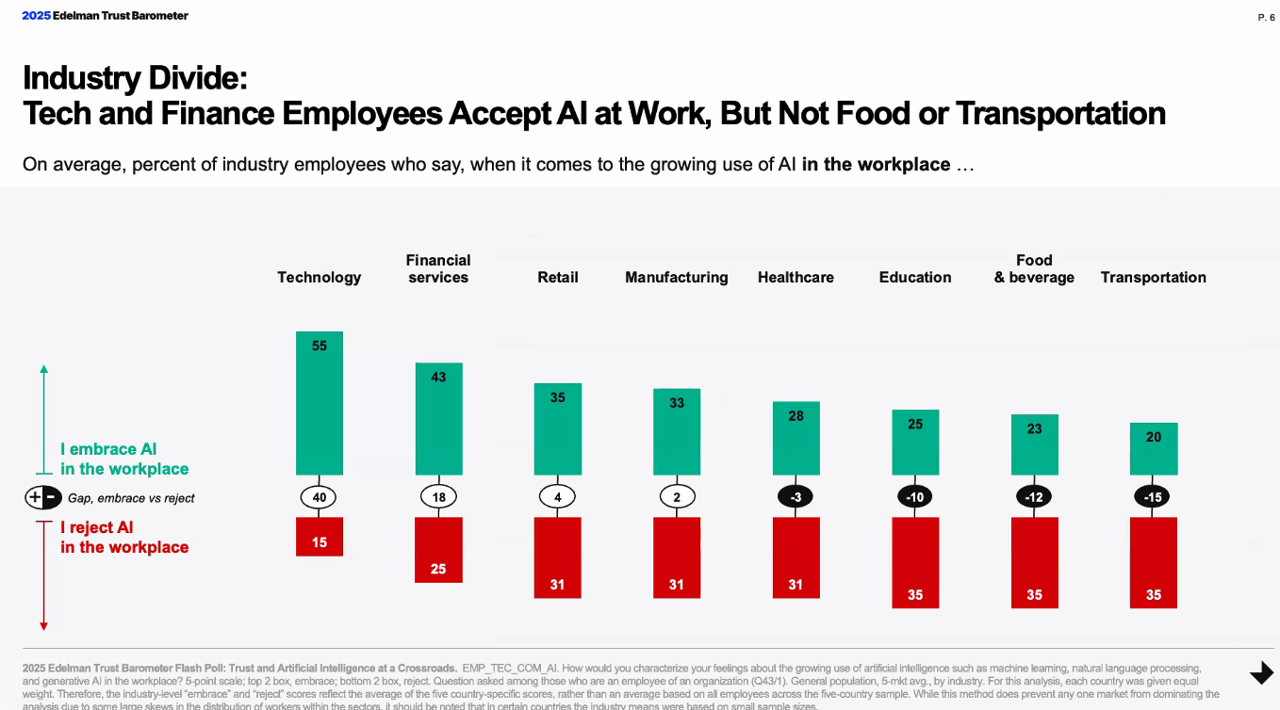
The healthcare industry is rapidly integrating artificial intelligence across all sectors – from hospitals and insurance companies to pharmaceutical research and personal wellness tools. Yet, surprisingly, this progress is coinciding with growing anxiety among individuals about the implications of AI.
Recent research reveals a complex relationship between consumers and AI, characterized by both excitement for innovation and deep-seated insecurity. This duality is often described as “AI Hope vs. AI Obsolescence,” reflecting concerns about job displacement and the future of work.
The Rising Tide of AI anxiety
This anxiety is particularly pronounced among younger generations. A recent study found that 65% of Gen Z experience “FOBO” – the Fear of Being Obsolete. Almost half of Gen Z respondents questioned the relevance of their college education when applying for jobs,highlighting a growing sense of uncertainty about their future career paths.
This broader feeling of unease, termed “The Age of Dissonance,” extends beyond employment. It touches upon fundamental aspects of life that contribute to stability and well-being - what we frequently enough refer to as the social drivers of health.
The Impact on the “Steady Life”
Consider the elements that underpin a secure and fulfilling life: strong social connections, financial stability, access to healthy food, and a sense of community. These factors, crucial for overall health, are increasingly impacted by the rapid pace of technological change.
As healthcare organizations embrace AI for improved care delivery, more accurate diagnoses, streamlined management, and efficient financial processes, it’s vital to prioritize trust, equity, and empathy.
Building Trust in an AI-Driven Future
trust isn’t built at a national level; it’s a local phenomenon. To successfully navigate this transition, healthcare stakeholders should focus on collaboration with trusted community institutions.
* Workplaces and Employers: Leverage existing employer networks to disseminate information and address concerns.
* Faith-Based Organizations: Partner with religious communities to reach diverse populations.
* Retail and Community Centers: Utilize accessible locations to provide education and support.
* Community Colleges: Engage with educational institutions to offer training and reskilling opportunities.
By working through these established channels, we can move beyond the current “Age of Dissonance” and cultivate a future defined by civility, health, well-being, and genuine human connection. Ultimately,a successful integration of AI in healthcare requires a human-centered approach that prioritizes the needs and concerns of the individuals it serves.