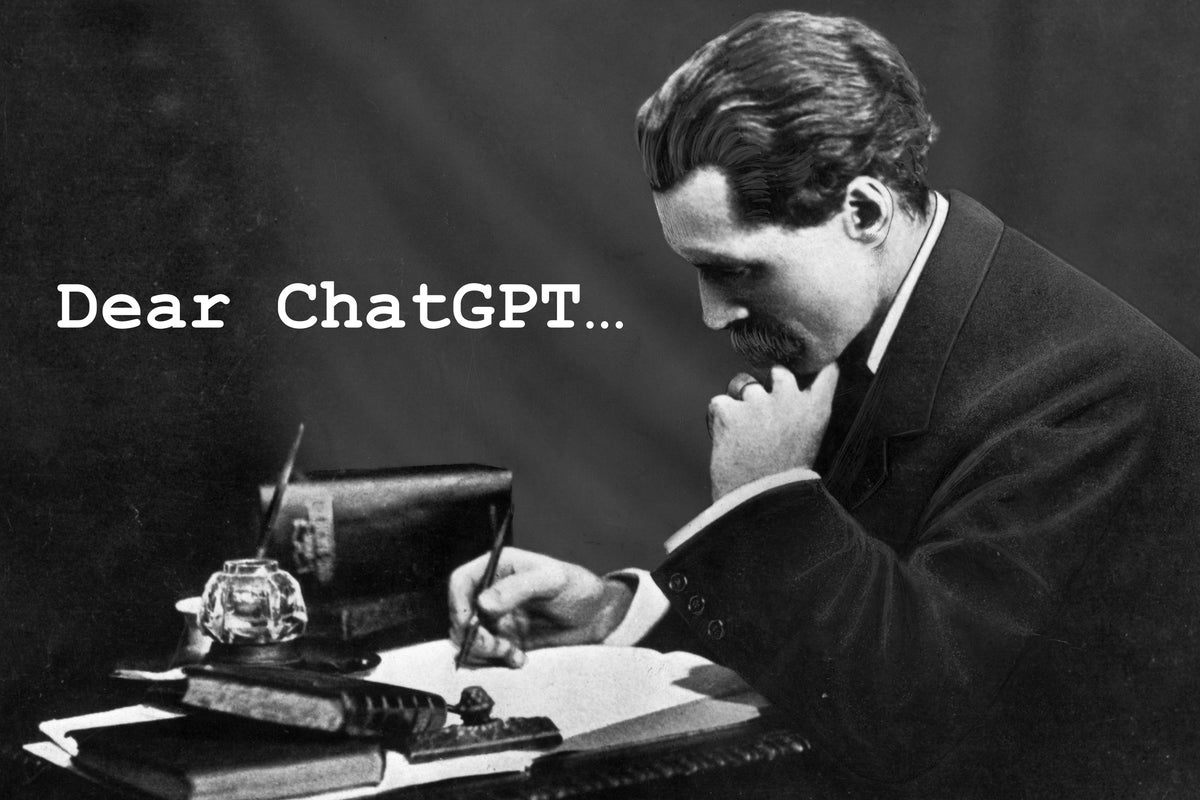
As the publishing industry grapples with the rapid integration of generative artificial intelligence, a subset of authors has begun openly incorporating these tools into their creative workflows, often rejecting the prevailing narrative that such technology poses an existential threat to human authorship. While concerns regarding copyright, labor rights, and the future of human creativity remain central to the discourse, a growing number of writers are utilizing AI not as a replacement for their own voices, but as a sophisticated assistant for drafting, brainstorming, and refining their manuscripts.
The debate over the use of AI by authors is occurring against a backdrop of significant legal and ethical scrutiny. According to the Authors Guild, the primary concerns for the writing community involve the unauthorized ingestion of copyrighted works to train Large Language Models (LLMs) and the subsequent potential for AI-generated content to flood the literary market. Despite these industry-wide tensions, some writers report that adopting AI has allowed them to overcome creative blocks and increase their output efficiency, viewing the technology as a neutral tool rather than a moral compromise.
The Evolution of AI-Assisted Writing
For many authors, the decision to use AI is rooted in practical utility rather than philosophical endorsement. Writers are increasingly turning to tools such as ChatGPT, Claude, and specialized writing software to handle repetitive tasks or to provide a “sounding board” for plot development. This shift reflects a broader trend in professional sectors where AI is utilized to automate the more tedious aspects of content creation, allowing human creators to focus on high-level narrative architecture and stylistic polish.
The legal framework surrounding this practice remains in flux. As of 2024, the U.S. Copyright Office has maintained that works created entirely by artificial intelligence without significant human creative input are not eligible for copyright protection. This policy creates a complex environment for authors who rely on AI, as they must ensure their human contribution remains the dominant element of the work to secure legal ownership of their intellectual property. The distinction between “AI-assisted” and “AI-generated” content is becoming the focal point of both legal disputes and industry standards.
Navigating Ethical and Professional Criticism
The reception of AI-integrated literature has been polarized. Critics argue that the use of AI undermines the unique human experience that readers seek in literature, characterizing the output as derivative or lacking in emotional resonance. Furthermore, labor advocates emphasize that the widespread adoption of these tools could devalue the work of human writers, particularly in fields like freelance copywriting and genre fiction, where speed of delivery is often prioritized over depth of craft.
In response to these concerns, some authors who utilize AI argue that the technology functions similarly to a word processor or a thesaurus—an evolution of the tools available to writers throughout history. They contend that the stigma associated with AI is a temporary reaction to a new medium, suggesting that as the technology becomes more integrated, the focus will shift from the method of creation to the quality of the final product. However, professional organizations continue to emphasize the need for transparency. The Science Fiction and Fantasy Writers Association (SFWA) has issued guidance suggesting that authors be clear about their use of AI, particularly in professional contexts where disclosure is necessary for maintaining trust with publishers and readers.
What Happens Next for the Publishing Industry
The tension between traditional authorship and AI integration is likely to persist as both technology and regulation continue to evolve. Future developments are expected to focus on “human-in-the-loop” systems, where AI acts as a collaborative partner rather than an autonomous generator. This model is being explored by various tech companies looking to build platforms that offer attribution and compensation models for the authors whose work is used in training datasets.
The next major checkpoint for this issue involves pending litigation and potential legislative action. Several high-profile lawsuits, including those brought by authors against major tech firms, are currently moving through the U.S. court system, which may eventually set a precedent for how AI models are allowed to utilize copyrighted text. According to the Reuters reporting on ongoing litigation, federal courts are carefully weighing the balance between fair use and the rights of content creators. These rulings will ultimately define the boundaries of what is legally permissible for AI-assisted authors and how the publishing industry will regulate the influx of machine-augmented works.
As these legal and cultural debates continue to unfold, the industry remains at a crossroads. Whether AI becomes a standard tool in the writer’s toolkit or remains a point of significant contention will depend on the evolution of both copyright law and the public’s appetite for AI-assisted literature. We invite our readers to share their perspectives on the role of technology in the creative process in the comments section below.
Worth a look