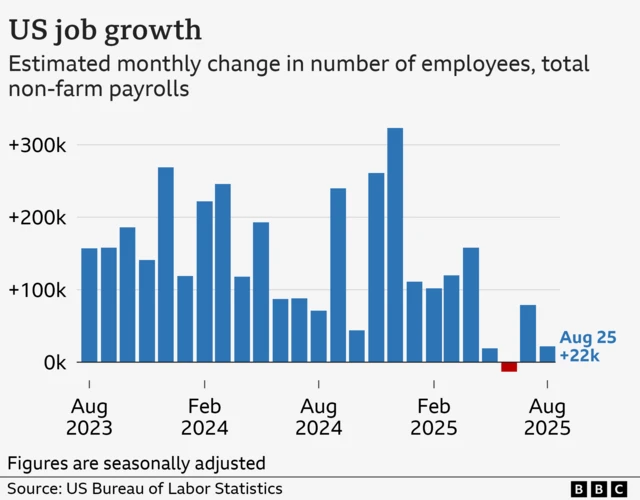
The rapid integration of artificial intelligence into the American workforce is creating a measurable shift in employment stability. Recent research from Goldman Sachs indicates that AI is erasing roughly 16,000 US jobs per month, marking a significant disruption in the labor market verified via tech industry reporting.
While the technological transition is widespread, the impact is not distributed evenly. The data suggests that entry-level workers—particularly those in Generation Z—and women are facing the sharpest early impact of these displacements. For those just entering the professional world, the automation of foundational tasks is altering the traditional career ladder, making the first step into the workforce more precarious.
As an editor covering the intersection of software and society from San Francisco, I have seen how quickly “efficiency” can translate into instability for the most vulnerable tiers of the workforce. The current trend isn’t just about the number of roles lost, but who is losing them and what that means for the future of professional development.
The ‘Scarring Effect’ of AI Disruption
Beyond the immediate loss of a paycheck, economists are concerned about the long-term professional trajectory of displaced workers. Goldman Sachs has warned that AI disruption could lead to a “scarring effect” for those forced out of their roles verified via financial analysis.

Historically, workers displaced by new technological advancements have faced a tricky road to recovery. According to the research, those affected by such shifts have often earned less and remained at a higher risk for unemployment for years following their initial displacement. This suggests that the AI job losses in the US are not merely temporary transitions but could result in permanent reductions in lifetime earning potential for a significant portion of the workforce.
This “scarring” is particularly dangerous for Gen Z workers. When entry-level positions are automated, the opportunity to gain the “on-the-job” experience required for mid-level management vanishes, potentially creating a talent gap that will be felt for a decade.
Corporate Governance and AI Oversight in 2026
As the scale of displacement becomes clearer, the focus is shifting toward how corporations manage this transition. The responsibility of board governance is evolving to include strict AI oversight to mitigate risk and handle the ethical implications of automation.
In a briefing released on February 24, 2026, Goldman Sachs highlighted the critical nature of AI oversight and board governance, noting the influence of activism and the specific legal advantages provided by Delaware’s corporate framework verified via official insights.
The emphasis on governance suggests that the financial sector recognizes that unchecked AI deployment is not just a HR issue, but a systemic risk that requires high-level institutional management. Boards are now being pressured to balance the productivity gains of AI with the social and economic stability of their workforce.
Key Takeaways on AI Workforce Impact
- Monthly Loss: AI is estimated to be erasing 16,000 jobs per month in the US.
- High-Risk Groups: Women and entry-level employees (Gen Z) are experiencing the most significant early impact.
- Long-term Risk: Displaced workers may suffer a “scarring effect,” leading to prolonged unemployment and lower future wages.
- Governance Shift: Corporate boards are increasingly focusing on AI oversight and governance as of February 2026.
The trajectory of the US labor market now depends on whether the efficiency gained through AI can be balanced with new forms of employment or robust retraining programs. Without a strategic approach to the “scarring effect,” the economic divide between those who control the AI and those displaced by it will likely widen.
The next critical point of observation will be the upcoming quarterly employment reports and corporate filings, which will reveal if these monthly losses are accelerating or stabilizing as companies refine their AI integration strategies.
Do you believe current corporate governance is doing enough to protect entry-level workers? Share your thoughts in the comments below or share this analysis with your professional network.
Related reading