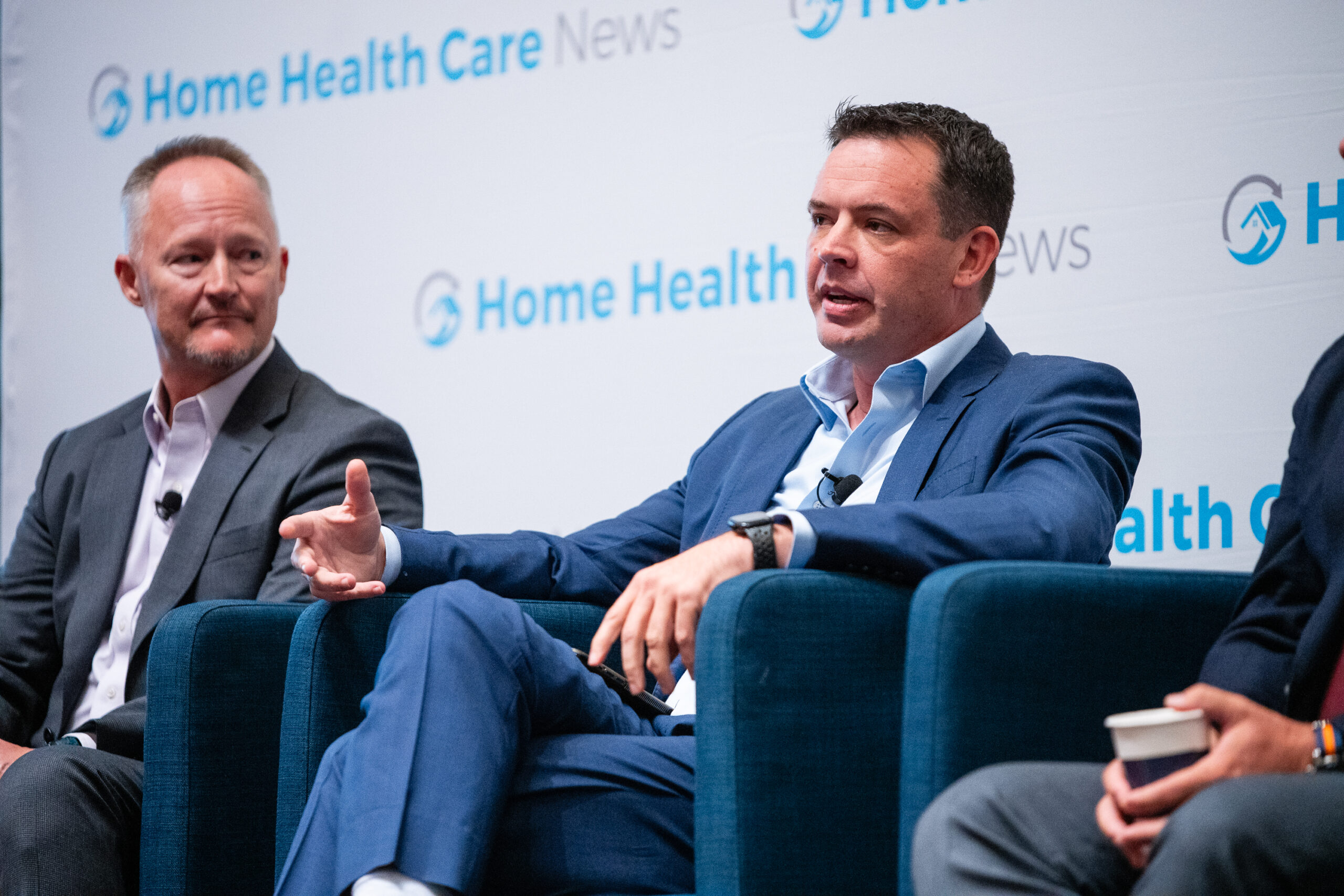
Navigating teh Future of home-Based Care: AI, Efficiency, and Value-Based Partnerships
The home-based care landscape is undergoing a rapid transformation, driven by the promise of artificial intelligence (AI) and the increasing shift towards value-based care. While the potential benefits are significant – streamlined operations, reduced clinician burden, and improved financial outcomes – providers must navigate emerging risks and adapt legacy systems to truly thrive. This article explores the key opportunities and challenges facing the industry, offering insights into how you can position your organization for success.
The AI Revolution in Home Health
AI is no longer a futuristic concept; it’s actively being implemented to enhance various aspects of home-based care. These include:
* Automated Documentation: Reducing administrative tasks for clinicians, freeing up valuable time for patient care.
* Predictive Analytics: identifying patients at risk of hospitalization or decline, enabling proactive interventions.
* Remote Patient Monitoring: providing real-time data insights for personalized care plans.
* Enhanced Scheduling & Logistics: Optimizing routes and staffing to improve efficiency and reduce costs.
Though, simply adopting AI isn’t enough. As Mike Johnson, chief researcher of home care innovation at Bayada Home Health Care, cautions, increasing patient volume without adequate oversight can be detrimental. You need to prioritize careful review of AI-generated notes and build trust in the technology before fully relying on it.
Mitigating AI Risks: A human-Centered Approach
To harness the power of AI responsibly, a human-in-the-loop approach is crucial. Here’s how to minimize potential pitfalls:
* Ethical Considerations: Ensure AI tools are unbiased and promote equitable care for all patients.
* Clinical Oversight: Clinicians must remain central to the process, identifying and correcting potential “hallucinations” or inaccuracies generated by AI.
* continuous Monitoring: Regularly evaluate AI performance and refine algorithms to improve accuracy and reliability.
Addressing Financial Pressures & Optimizing Operations
Many home-based care providers are facing significant financial headwinds. Fierce competition for staff, rising administrative costs, and slim margins are limiting innovation budgets. To overcome these challenges, you need to evolve your operating model.
Traditionally, agencies have relied on geographically dispersed branches with specialized roles like intake coordinators and schedulers. Consider these strategies to reduce costs:
* Centralization: Consolidate functions into regional or centralized branches with fewer, more versatile employees.
* Process Automation: Leverage technology to automate repetitive tasks, reducing the need for manual intervention.
* Strategic Outsourcing: Explore outsourcing non-core functions to specialized providers.
Unlocking New Revenue Streams Through Value-Based Care
Beyond cost reduction, you can also generate new revenue by focusing on unmet patient needs. Payers are increasingly interested in addressing gaps in care,and you are uniquely positioned to identify and address them.
* Proactive Gap Identification: Leverage your in-home presence to identify and address unmet needs,such as medication adherence or social determinants of health.
* Value-Based Contracts: Negotiate contracts with payers that reward you for improving patient outcomes and reducing costs.
* Expanded Service Offerings: Consider adding services that address specific payer priorities, such as chronic disease management or post-acute care.
The Key to Success: Understanding Payer Needs
According to industry expert Rutledge, a critical missing piece is a deeper understanding of what payers truly want.
* Open Communication: Initiate conversations with payers to understand their goals and challenges.
* Collaborative solutions: Work with payers to develop innovative care models that address their needs and improve patient outcomes.
* Data-Driven Insights: Use data to demonstrate the value of your services and the impact on payer objectives.
Ultimately, the future of home-based care hinges on your ability to embrace innovation, prioritize patient safety, and forge strong partnerships with payers. By focusing on these key areas, you can position your organization for long-term success in this evolving landscape.
Related reading