The False Alarm: when AI Mistakes Chips for Guns and What It Means for school Safety
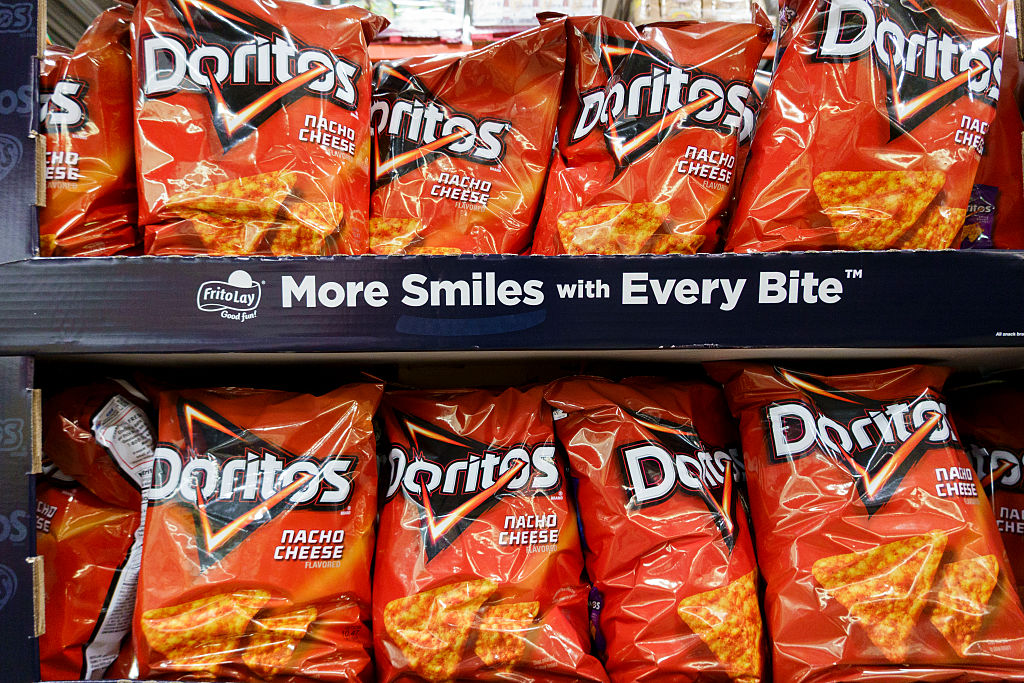
A high school student in Baltimore County recently experienced a frightening ordeal. He was briefly detained by police after an artificial intelligence (AI) system misinterpreted an empty chip bag as a weapon. This incident, while thankfully resolved without harm, underscores a critical reality about the current state of AI technology and its application to school safety.
It highlights how easily these systems can misinterpret everyday objects and situations, leading to potentially traumatic experiences for students.Let’s delve into what happened,why it matters,and what steps we can take to ensure AI enhances – rather than hinders – safety in our schools.
How a Chip Bag Triggered a Crisis
The student had simply pocketed the empty snack bag while waiting after football practice. Within moments, multiple police vehicles arrived, and officers handcuffed him before realizing the alarming error. The AI-powered system, designed to detect firearms via security cameras, had flagged the student as a potential threat.
This wasn’t a failure of intent, but a stark illustration of AI’s limitations. The system, developed by Omnilert, is intended to provide an extra layer of security. However, it demonstrates that AI is far from the infallible, hyper-clever problem-solver often depicted in popular culture.
The Problem with Algorithmic Judgment
This incident isn’t isolated. It’s a cautionary tale about the increasing reliance on algorithms for critical decision-making. As we outsource judgment to AI, we become more vulnerable to its inevitable mistakes.
Consider these key points:
* AI lacks context. It can scan and analyze at incredible speeds,but it doesn’t understand the nuances of human behavior or the surrounding habitat.
* AI struggles with ambiguity. A crumpled snack bag, a playful gesture, or even a specific posture can be misinterpreted as a threat.
* Human intuition is irreplaceable. Differentiating between mischief and genuine menace requires a level of understanding that AI currently cannot achieve.
You might expect movie-level intelligence from these systems, but the reality is far more complex. A simple snack can quickly escalate into a crisis, reminding us that technology is a tool, not a replacement for human judgment.
What Does This mean for School Safety?
Baltimore County Public Schools has responded by offering counseling to the student and reviewing the system’s implementation.This is a positive first step, but a more complete approach is needed.
Here’s what schools – and society as a whole - should consider:
- Prioritize human oversight. AI should assist security personnel, not replace them.Trained professionals should always review AI-generated alerts before taking action.
- Focus on accuracy and minimize false positives. Developers need to refine algorithms to reduce the likelihood of misidentification.
- Transparency is crucial. Schools should be obvious with students, parents, and staff about how AI is being used and what safeguards are in place.
- Ongoing evaluation and adaptation. AI systems should be continuously evaluated and updated based on real-world performance and feedback.
The Bigger Picture: AI and the Future of Safety
This incident serves as a vital reminder that while AI offers exciting possibilities for enhancing safety and convenience, it’s not a panacea. It’s a powerful tool, but one that requires careful consideration, responsible implementation, and a healthy dose of skepticism.
As you navigate an increasingly AI-driven world, remember that technology should serve humanity, not the other way around. While AI may watch, it cannot yet truly understand. The key to a safer future lies in finding the right balance between technological innovation and human judgment.
Keep reading