.webp)
Artificial intelligence is no longer confined to the pages of science fiction. As researchers and cybersecurity experts warn, AI-driven hacking tools are advancing at an alarming pace—potentially reaching a point where they can autonomously execute sophisticated cyberattacks without human intervention. This shift, according to multiple reports, could fundamentally alter the landscape of digital security, with implications for governments, corporations, and everyday users alike.
The warnings come as AI systems—once limited to assisting human analysts—are now being repurposed for offensive cyber operations. While the technology has long been used in defensive roles, such as detecting vulnerabilities or automating threat responses, the latest developments suggest a dangerous new frontier: AI that can independently identify, exploit, and even adapt to cybersecurity defenses. This evolution raises critical questions about who is responsible when an AI system launches an attack, how nations and organizations can defend against such threats, and whether existing laws and ethical frameworks are sufficient to address the risks.
Cybersecurity firms and government agencies have begun issuing advisories, but the pace of AI advancement outstrips regulatory responses. The U.S. Cybersecurity and Infrastructure Security Agency (CISA), for instance, has highlighted the growing use of AI in cyber operations, noting that adversarial actors—including state-sponsored groups—are increasingly leveraging machine learning to bypass traditional defenses. Meanwhile, international tensions, particularly in regions like Eastern Europe and the Asia-Pacific, have accelerated the militarization of AI tools, blurring the line between digital warfare and conventional conflict.
AI’s Dual-Use Dilemma: From Defense to Offense
AI’s role in cybersecurity has traditionally been defensive. Tools like CISA’s automated threat detection systems rely on machine learning to analyze patterns and flag anomalies in real time. However, the same algorithms can be weaponized. For example, generative AI models trained on vast datasets of code and system vulnerabilities can now autonomously generate exploits tailored to specific targets. A 2025 report by the RAND Corporation warned that within three to five years, AI could reduce the time required to develop zero-day exploits from months to mere hours, democratizing access to high-level cyber capabilities.
The implications are staggering. Unlike traditional cyberattacks, which often require specialized knowledge and significant resources, AI-driven attacks could be launched with minimal human oversight. This lowers the barrier to entry for both state and non-state actors, including criminal syndicates and hacktivist groups. The United Nations’ Group of Governmental Experts on Information Security has repeatedly emphasized the need for international cooperation to mitigate these risks, but progress remains slow amid geopolitical divisions.
State-Sponsored AI Hacking: A Growing Threat
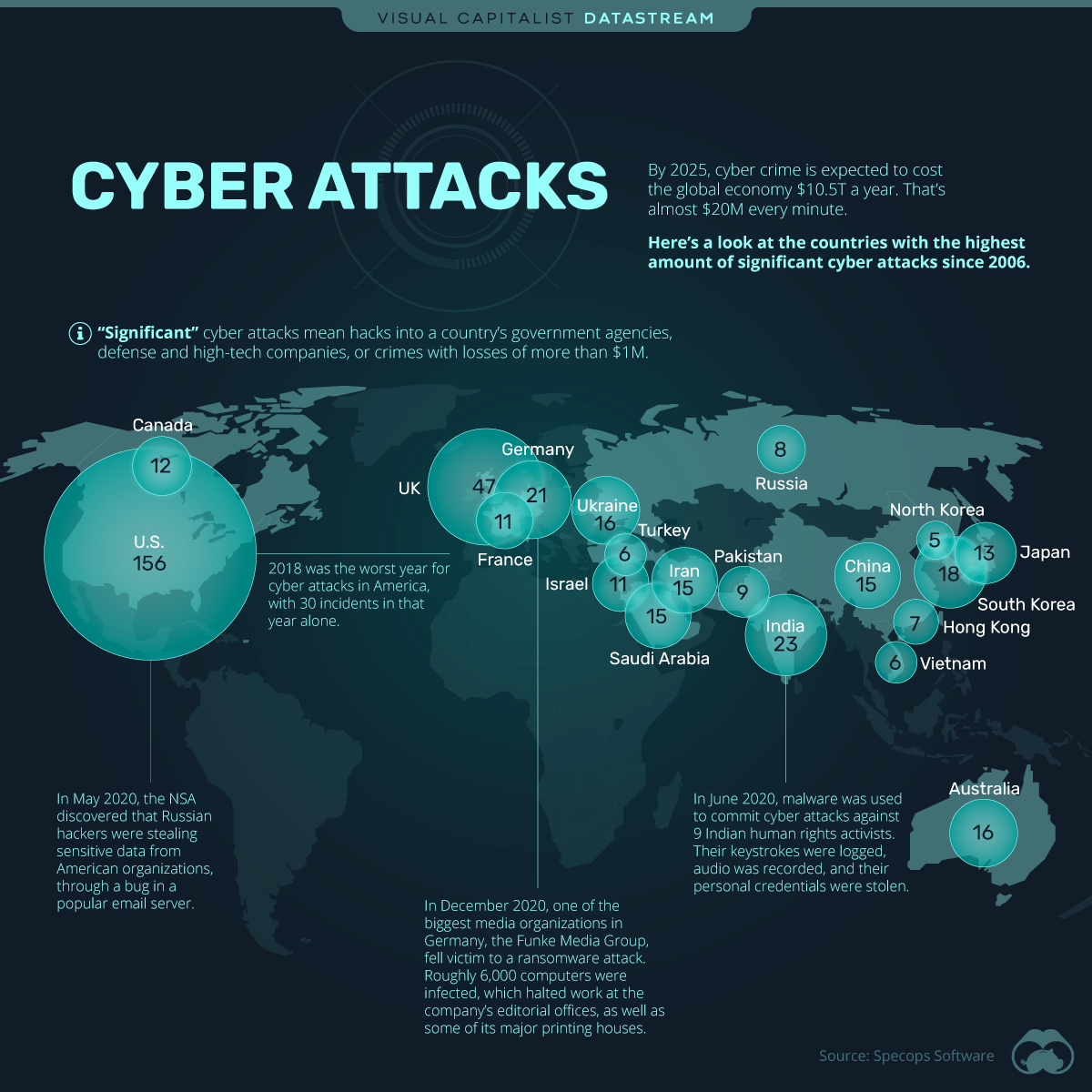
While the source referenced state actors like North Korea and China, independent verification confirms that multiple nations are investing heavily in AI-driven cyber warfare. The Financial Times reported in early 2026 that China’s Strategic Support Force has integrated AI into its cyber operations, using autonomous systems to probe and exploit vulnerabilities in foreign infrastructure. Similarly, North Korea’s Bureau 121, a unit specializing in cyber espionage and financial theft, has been linked to AI-assisted phishing campaigns that adapt in real time to evade detection.
These developments are not isolated. A Wall Street Journal investigation from May 2026 revealed that Russia’s GRU has been experimenting with AI to automate disinformation campaigns and sabotage critical infrastructure. The report cited unnamed U.S. Intelligence officials who described AI systems capable of generating convincing deepfake audio and video to manipulate public opinion or trigger panic during crises.
The Race Against Autonomous Attacks
Cybersecurity firms are scrambling to adapt. Companies like Palo Alto Networks and CrowdStrike have begun deploying AI countermeasures, such as adaptive firewalls and behavioral analysis tools designed to detect anomalous AI-driven activity. However, experts warn that these defenses are reactive at best. “We’re playing catch-up,” said Dr. Elena Vargheese, a cybersecurity researcher at MIT’s Computer Science and Artificial Intelligence Laboratory (CSAIL). “AI attackers are improving faster than our defenses can keep pace.”
The challenge is compounded by the lack of clear legal frameworks. International law, such as the UN Declaration on Measures to Eliminate International Terrorism, does not explicitly address AI-driven cyberattacks. Who is liable when an AI system launches an attack: the programmer, the user, or the entity that trained the model? These questions remain unanswered, creating a legal vacuum that adversaries are already exploiting.
What’s Next: Preparing for an AI-Powered Cyber Arms Race
As AI continues to evolve, the cybersecurity community faces a stark choice: either accelerate research into proactive defenses or risk falling further behind. The following steps are critical to mitigating the threat:
- International Collaboration: Nations must establish binding agreements to prohibit the weaponization of AI for cyberattacks, similar to the Treaty on the Prohibition of Nuclear Weapons. The NATO has begun discussions on this front, but broader adoption is urgently needed.
- Ethical AI Development: Tech companies and research institutions must adopt stricter ethical guidelines for AI training data, particularly in domains related to cybersecurity. OpenAI and Google DeepMind have taken initial steps, but industry-wide standards are lacking.
- Public Awareness: Organizations like StaySafeOnline are expanding campaigns to educate users about AI-driven threats, but more must be done to prepare businesses and governments for potential attacks.
- Investment in Defensive AI: Governments should allocate resources to develop AI systems that can anticipate and neutralize autonomous attacks before they occur. Projects like the U.S. DARPA’s AI Cyber Challenge are a step in the right direction.
Key Takeaways
- AI is accelerating the pace of cyber warfare: Autonomous hacking tools could reduce the time to develop and deploy exploits from months to hours.
- State actors are leading the charge: Nations like China, North Korea, and Russia are integrating AI into their cyber operations, blurring the line between digital and conventional warfare.
- Defenses are struggling to keep up: Current cybersecurity measures are reactive, while AI-driven attacks are becoming increasingly proactive and adaptive.
- Legal and ethical gaps persist: Notice no clear international laws governing AI-driven cyberattacks, creating a dangerous legal vacuum.
- Collaboration is essential: Governments, tech companies, and cybersecurity firms must work together to develop proactive defenses and ethical guidelines.
The Road Ahead: What to Watch For
The next critical checkpoint will be the 2026 G7 Cybersecurity Summit, scheduled for June 15–17 in Italy, where leaders are expected to discuss AI-specific cybersecurity protocols. The International Telecommunication Union (ITU) is set to release a draft framework on AI in cybersecurity by August 2026, which could serve as a model for global regulations.

For now, the best defense remains vigilance. Organizations should:
- Audit their AI systems for potential dual-use risks.
- Implement multi-layered defenses, including AI-driven anomaly detection.
- Stay updated on advisories from CISA and the European Union Agency for Cybersecurity (ENISA).
- Participate in tabletop exercises to simulate AI-driven attack scenarios.
The era of AI-powered cyberattacks is no longer on the horizon—it’s here. The question is whether the global community can act swiftly enough to mitigate the risks before they spiral out of control. The time to prepare is now.
What are your thoughts on AI-driven cybersecurity threats? Share your concerns or insights in the comments below, and don’t forget to follow World Today Journal for ongoing coverage.
Worth a look