
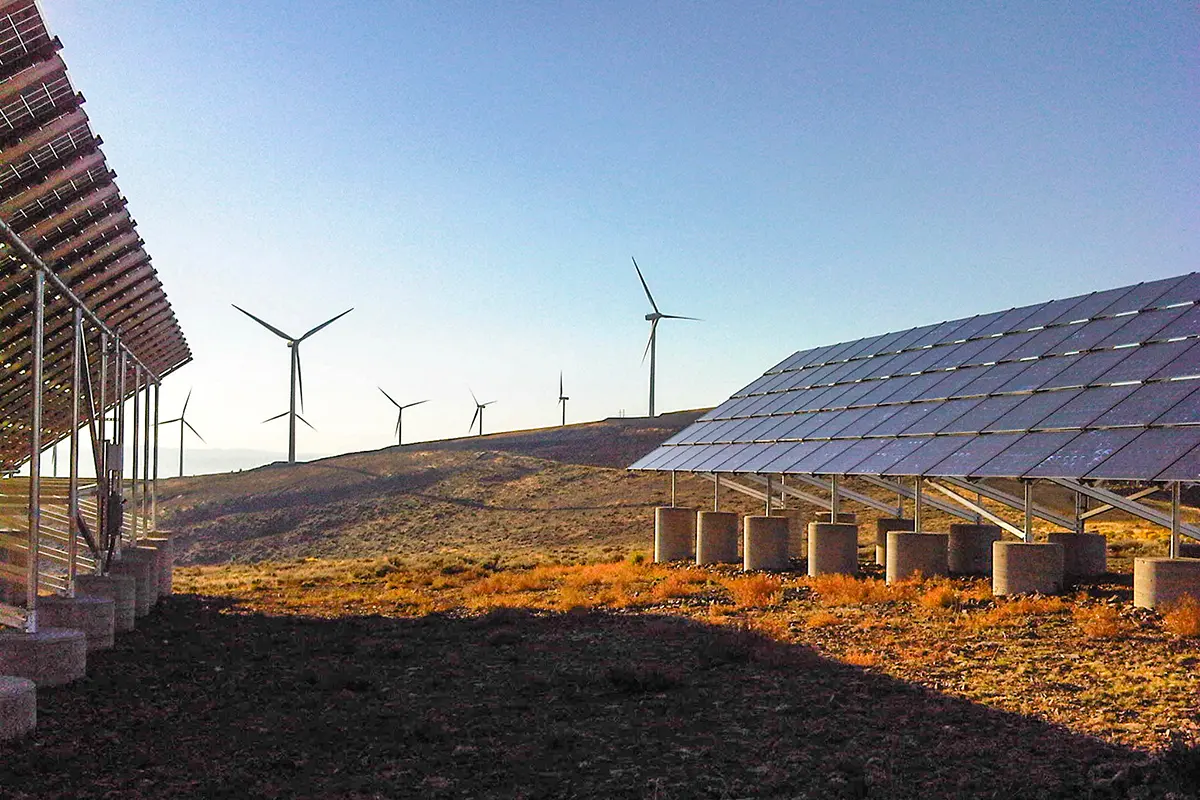
As the global energy landscape shifts away from traditional power plants toward a future powered by the sun and wind, engineers are facing a mounting crisis: stability. Unlike the steady, predictable output of fossil fuel plants, renewable energy is inherently intermittent. When the wind stops blowing or clouds cover a solar farm, the delicate balance of the electrical grid can be thrown into chaos, risking outages and infrastructure damage.
To solve this, researchers are looking toward nature for inspiration. New developments in AI-driven controllers imitating the human brain are emerging as a potential solution to strengthen the power grid, offering a level of adaptability and resilience that traditional software cannot provide.
This biomimetic approach—creating technology that mimics biological processes—aims to transform how local grids manage the volatility of green energy. By integrating brain-inspired artificial intelligence, these controllers can potentially react to fluctuations in real-time, ensuring that the transition to renewables does not come at the cost of reliability.
The Challenge of Intermittent Energy
The core of the problem lies in the fundamental difference between traditional and renewable power generation. Conventional power plants provide a constant “baseload” of electricity, making the grid easier to manage. Still, the integration of solar and wind power introduces significant variability. Because these sources are intermittent, the supply of electricity often does not align perfectly with consumer demand.
Maintaining grid stability under these conditions is a complex engineering challenge. When supply and demand diverge sharply, it can lead to frequency deviations or voltage drops, which, if left unchecked, can lead to widespread blackouts. The necessitate for a more dynamic, “intelligent” way to balance these loads has led researchers to explore advanced control strategies.
Biomimetic AI: Mimicking the Human Brain
The concept of “biomimetic power” involves creating AI controllers that function similarly to the human brain’s neural networks. Unlike rigid, rule-based systems, these brain-inspired controllers are designed to be more flexible and responsive to changing environments. This allows the grid to “sense” instability and adjust itself almost instantaneously, much like how the human brain coordinates complex bodily functions without conscious effort.
This research is highlighted in a doctoral dissertation by Hussain Khan at the University of Vaasa in Finland. Khan’s work introduces advanced AI-based control strategies specifically designed to ensure that local grids remain reliable and resilient, even when relying heavily on unpredictable renewable sources. According to Tech Xplore, these AI-driven controllers could significantly strengthen the overall integrity of the grid.
By imitating the brain’s ability to process vast amounts of data and make rapid adjustments, these controllers can better manage the “noise” and volatility associated with wind and solar inputs. This shift toward biomimetic power systems provides a pathway to keeping renewable grids stable without requiring massive, expensive over-builds of traditional backup infrastructure.
Strengthening Local Grid Resilience
While national grids are massive and complex, the focus on “local grids” or microgrids is where this technology may have the most immediate impact. Local grids are often more susceptible to instability because they have fewer resources to draw upon when a local power source fails or fluctuates.

The AI-based strategies developed at the University of Vaasa aim to make these local systems more autonomous and resilient. By implementing brain-inspired AI, a local grid can potentially isolate problems, redistribute power more efficiently, and maintain a steady flow of electricity despite the intermittency of its energy sources. As noted by Bioengineer.org, these controllers are poised to strengthen the power grid by bridging the gap between volatile energy production and stable energy consumption.
Key Takeaways for Grid Stability
- The Problem: Renewable energy sources like wind and solar are intermittent, creating instability in grids designed for steady power plants.
- The Solution: AI-driven controllers that imitate the human brain’s neural processing to manage fluctuations in real-time.
- The Research: Hussain Khan’s work at the University of Vaasa, Finland, focuses on AI strategies to enhance the reliability of local grids.
- The Goal: To create a resilient, biomimetic power infrastructure that supports a full transition to green energy.
The transition to a carbon-neutral energy grid is an engineering necessity, but it requires a fundamental rethink of how we control electricity. By moving away from static systems and toward brain-inspired, adaptive AI, the energy sector can ensure that the power stays on, regardless of whether the wind is blowing or the sun is shining.
Further updates on the implementation of these AI control strategies are expected as the research from the University of Vaasa moves toward practical application in local grid environments.
Do you think biomimetic AI is the key to a fully renewable future? Share your thoughts in the comments below or share this article with your network.