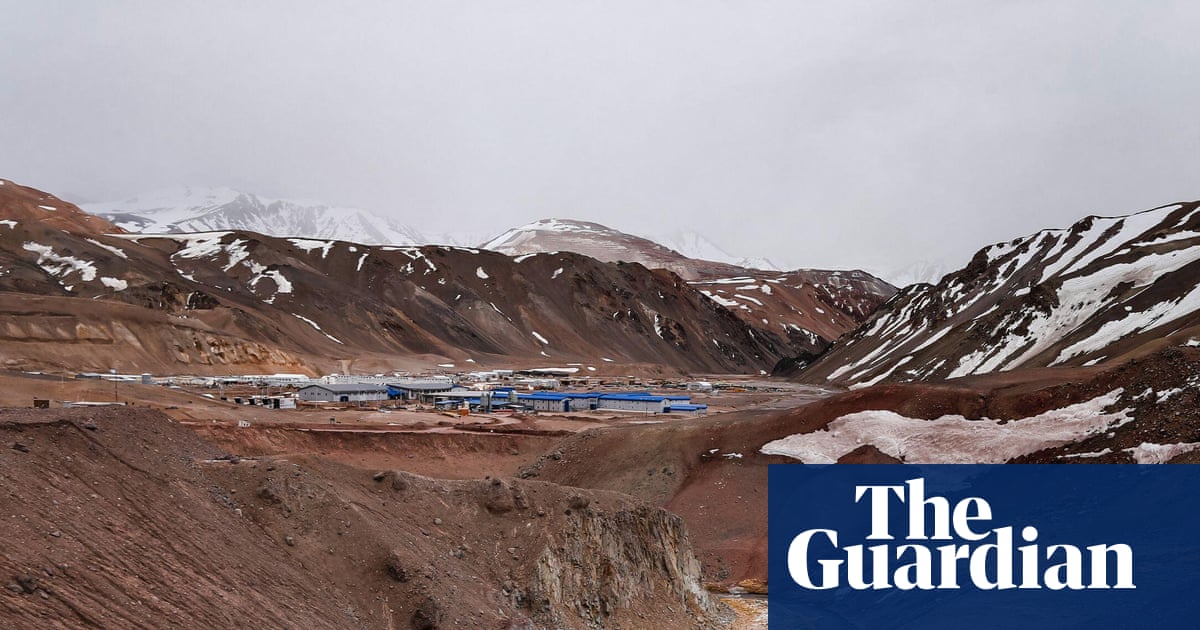
Argentina is currently navigating a contentious shift in its environmental policy as the administration of President Javier Milei moves to dismantle protections within the country’s pioneering glacier law. The proposed reforms aim to relax restrictions on high-altitude areas, potentially opening vast tracts of ice- and snow-blanketed terrain to large-scale mining operations.
For environmentalists and local communities, this policy reversal is not merely a regulatory change but a direct threat to the water security of millions. These high-altitude reserves serve as critical freshwater sources, already under severe pressure from the global climate crisis. By easing the rules that have governed these fragile ecosystems for 15 years, the government risks the contamination and depletion of watersheds that sustain human life and agriculture across the Andes.
The tension centers on the Argentina glacier law reform, a move that critics argue prioritizes short-term mining profits over long-term ecological survival. At the heart of the conflict are the glacial ecosystems that feed the rivers of the San Juan and Mendoza provinces, where the battle between industrial extraction and water preservation has reached a breaking point.
The Erosion of the Ley de Glaciares
For over a decade and a half, the Ley de Glaciares (Glacier Law) has served as a shield for Argentina’s frozen reserves. These ecosystems are not merely ice; they are complex water-storage systems that regulate flow to the lowlands. According to reports, more than 7 million people across the country rely on these interconnected glacial systems to safeguard against drought and maintain their drinking water supplies via GreenLeft.
The reforms introduced by the Milei government seek to introduce arbitrary criteria that could strip glaciers of their legal protection. Specifically, the proposed changes would allow glaciers to be excluded from protection if a provincial authority determines that the ice does not fulfill a “relevant water function.”
This shift in authority is particularly alarming to activists because it moves the decision-making process from a scientific basis to a political and economic one. Pro-mining provinces, such as San Juan and Mendoza, could potentially designate glaciers as “irrelevant” to water security to facilitate the entry of copper and gold mining projects in areas previously deemed off-limits.
Mining Interests and International Influence
The push for these reforms has drawn scrutiny toward the influence of foreign mining corporations. Reports indicate that the initiative to “reform” the glacier protection law is linked to the interests of several major international firms. Canadian companies, including Barrick Gold and Lundin Gold, have been identified as corporate actors behind the push for these changes via MiningWatch Canada.
Other global entities, such as Glencore, Rio Tinto, and China’s Shandong Gold, also operate within the region. Critics argue that the reforms would set a negative global precedent, removing environmental safeguards in one of the world’s most fragile ecosystems to favor the extraction of gold, and copper.
The Case of the Veladero Mine
The risks associated with high-altitude mining are not theoretical; they are documented in the history of the Veladero gold and silver mine in San Juan province. Operated by Barrick Gold and Shandong Gold, the mine began operations in 2005. For years, community members and environmentalists have alleged that Veladero operates illegally within areas that should be protected under the original glacier law.
The mine’s history is marked by environmental failures. A major cyanide spill occurred a decade after operations began, polluting rivers in the San Juan region. While subsequent studies suggested cyanide levels eventually remained at safe levels for downstream waterways in the Jáchal basin, the event sparked widespread fear and distrust. This was followed by two additional spills reported in 2016 and 2017, both of which have remained under investigation.
For residents like Saul Zeballos, an accountant turned activist from the community of Jáchal, the Veladero mine represents a cautionary tale. Zeballos and the grassroots group Asamblea Jáchal No Se Toca (Hands off Jáchal) have long fought to protect the river that bears their town’s name, arguing that the precedent set at Veladero shows why strict glacier protections are non-negotiable.
Grassroots Resistance in Patagonia and the Andes
The government’s move has ignited a wave of resistance stretching from the high Andes to the Patagonian south. In the town of El Chaltén, located in the shadow of Los Glaciares National Park, the El Chaltén Water Assembly has become a focal point for protests. The community, which lives at the foot of some of the world’s most significant solid freshwater reserves, has issued a manifesto demanding the government maintain its “hands off” the national glacier law.
Activists in El Chaltén and other regions are emphasizing that glaciers are not just local assets but are fundamental to the water security of the entire continent. They argue that in an era of accelerating climate change, dismantling these protections is a reckless gamble with the region’s primary water reserves.
| Feature | Original Glacier Law | Proposed Reforms |
|---|---|---|
| Protection Basis | Science-based protection of ice/snow reserves | Provincial determination of “relevant water function” |
| Mining Access | High-altitude glacial areas off-limits | Potential opening of high-altitude areas to mining |
| Primary Authority | National environmental standards | Increased provincial discretionary power |
| Risk Factor | Strict safeguards against water contamination | Increased risk to watersheds and drinking water |
What This Means for Water Security
The implications of these reforms extend far beyond the immediate mining sites. Glaciers act as “water towers,” storing precipitation as ice and releasing it slowly during dry seasons. When these areas are opened to mining, the risks include:
- Chemical Contamination: As seen with the cyanide spills at Veladero, the use of toxic chemicals in gold and copper extraction can leak into the headwaters of major river systems.
- Physical Degradation: Mining infrastructure and excavation can physically disrupt the periglacial environment, altering how water flows from the glaciers to the valleys.
- Water Depletion: Industrial mining requires massive quantities of water, which can compete with the needs of local communities and agriculture during droughts.
The removal of these protections comes at a time when Argentina’s water reserves are already strained. The climate crisis is accelerating the melt of Andean glaciers, making the remaining ice and snow even more critical for the millions who depend on them for survival via The Guardian.
The current situation reflects a broader ideological clash within Argentina: a drive toward aggressive deregulation and foreign investment versus the protection of fundamental human rights, including the right to clean drinking water.
As the Milei government continues to push these modifications through the legislative process, the eyes of the international community and environmental watchdogs remain on the Andes. The outcome will determine whether Argentina continues to lead in glacial protection or becomes a cautionary example of environmental deregulation.
The government is currently discussing these modifications within the administration’s buildings in Buenos Aires. Further updates on the final legislative language and the potential for court challenges from environmental organizations are expected as the bill progresses.
Do you believe economic development should outweigh environmental protections in fragile ecosystems? Share your thoughts in the comments below or share this article to join the conversation.
Keep reading
- Des eurodéputés réclament un contrôle de l’aide au Polisario – APAnews – Agence de Presse Africaine
- Flash Flood Warning Issued for Phoenix Until 12:30 p.m.
- Tragic Road and Water Accidents Claim Multiple Lives in Zimbabwe (world-today-news.com)
- The Mpemba Effect: Why Hot Water Sometimes Beats Cold to Freeze (daybreakwire.com)