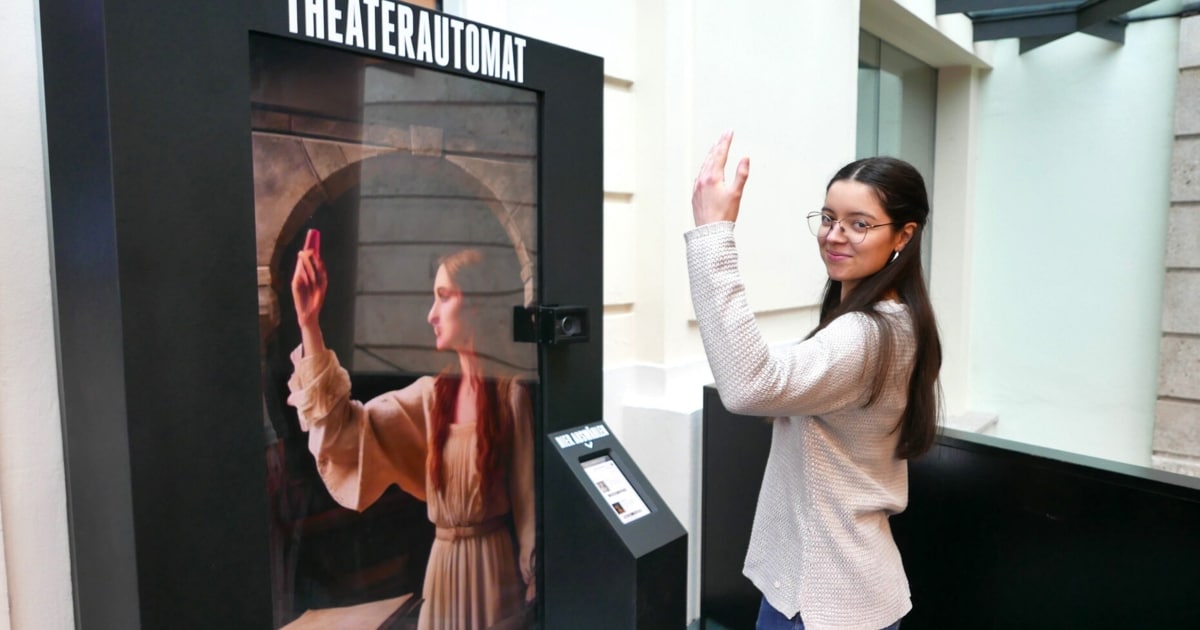
Linz, Austria – The Landestheater Linz is pushing the boundaries of theatrical performance with the introduction of an artificial intelligence (AI) component to its productions. This innovative approach, centered around an “interactive, KI-based installation” dubbed the “THEATERAUTOMAT,” is sparking discussion about the future of theater and the role of technology in artistic expression. The installation, highlighted on social media in November 2025, represents a significant step in integrating AI into the performing arts.
The move comes as theaters worldwide explore how AI can enhance storytelling, audience engagement, and even the creative process itself. Although the concept of AI in theater isn’t entirely new – discussions around digital actors and AI-assisted directing have been ongoing for years – the Landestheater Linz’s implementation appears to be focused on creating a unique interactive experience for patrons. The theater’s initiative builds on a growing trend of technological integration within the arts, aiming to offer audiences novel and immersive experiences.
AI Takes the Stage: A Look at the “THEATERAUTOMAT”
Details surrounding the precise functionality of the “THEATERAUTOMAT” remain somewhat limited, but initial reports indicate it’s designed to offer a new form of entertainment during intermissions. The installation, created by Juergen Hagler, is described as interactive, suggesting audience participation is a key element. This approach aligns with a broader effort to make theater more accessible and engaging for contemporary audiences. The bestaustriananimationfestival shared a post on Instagram showcasing the installation on November 20, 2025, further fueling interest in this innovative project.
The integration of AI into theater isn’t simply about replacing human actors with digital counterparts. Instead, it’s about exploring how AI can augment and enhance the theatrical experience. This could involve AI-powered lighting and sound design, interactive stage sets that respond to audience input, or even AI algorithms that generate unique musical scores in real-time. The Landestheater Linz’s “THEATERAUTOMAT” appears to be a step in this direction, offering a glimpse into a future where AI and human creativity coexist on stage.
Linz’s Experiment: A Broader Trend in European Theater
The Landestheater Linz isn’t alone in its exploration of AI in theater. Across Europe, theaters are experimenting with new technologies to engage audiences and push the boundaries of artistic expression. A 2019 article in the Salzburger Nachrichten highlighted a production at the Landestheater Linz, “Prometheus Unbound,” which featured a digital actor alongside two human performers. The article explored the potential impact of new technology on the theater landscape, questioning how much it would change the art form.
This production, directed by Marcel Karnapke and featuring actors Angela Waidmann and Alexander Julian Meile, served as an early example of the integration of digital actors into traditional theatrical settings. The Salzburger Nachrichten article, published on December 14, 2019, noted the novelty of having a digital performer share the stage with human actors, raising questions about the future of collaboration between humans and AI in the performing arts. The article’s publication date underscores the growing interest in this topic over the past several years.
The utilize of AI in theater raises a number of essential questions. How will AI affect the roles of actors, directors, and other theater professionals? Will AI-powered performances be able to evoke the same emotional responses as those delivered by human actors? And what ethical considerations should be taken into account when using AI in the arts? These are questions that theater practitioners and audiences alike will be grappling with as AI becomes increasingly integrated into the theatrical experience.
The Future of Theater: Collaboration Between Humans and Machines
The Landestheater Linz’s “THEATERAUTOMAT” and the earlier “Prometheus Unbound” production suggest a future where AI and human creativity operate in tandem. Rather than viewing AI as a threat to the arts, many theater professionals see it as a powerful tool that can be used to enhance storytelling, create new forms of audience engagement, and expand the possibilities of theatrical expression. The key, according to many experts, is to find ways to leverage AI’s strengths – its ability to process vast amounts of data, generate creative content, and respond to real-time input – while preserving the unique qualities of human performance.
The integration of AI into theater also has the potential to make the art form more accessible to a wider audience. AI-powered translation tools could allow performances to be enjoyed by people who speak different languages. AI-generated captions could make performances more accessible to people with hearing impairments. And AI-powered virtual reality experiences could allow people to attend performances from anywhere in the world. These are just a few of the ways that AI could help to democratize access to the arts.
As AI technology continues to evolve, One can expect to see even more innovative applications of AI in theater. From AI-powered set design to AI-generated scripts, the possibilities are endless. The Landestheater Linz’s “THEATERAUTOMAT” is a promising sign that the future of theater will be one of collaboration, innovation, and artistic exploration. The theater’s willingness to embrace new technologies positions it as a leader in the evolving landscape of performing arts.
Key Takeaways
- The Landestheater Linz has introduced an AI-powered installation, the “THEATERAUTOMAT,” to enhance the audience experience.
- The installation is interactive and designed to provide entertainment during intermissions.
- The use of AI in theater is part of a broader trend across Europe, with theaters exploring new technologies to engage audiences.
- A 2019 production at the Landestheater Linz, “Prometheus Unbound,” featured a digital actor alongside human performers.
- The future of theater is likely to involve collaboration between humans and AI, with AI serving as a tool to enhance creativity and accessibility.
The Landestheater Linz is expected to continue developing and refining the “THEATERAUTOMAT” based on audience feedback and technological advancements. Further details regarding the installation’s long-term impact and potential expansion will likely be released in the coming months. We encourage readers to share their thoughts on the integration of AI in theater in the comments below.
Related