Revolutionizing Scientific Research with AI-Powered Accelerator Assistance
The world of scientific research is undergoing a notable transformation, driven by the integration of artificial intelligence. Specifically, the development of tools like the Accelerator Assistant is dramatically changing how engineers and scientists approach complex experiments and operations within large-scale facilities. This innovative system promises to drastically reduce time spent on routine tasks, allowing researchers to focus on groundbreaking discoveries.
Imagine a sprawling facility brimming with specialized equipment and expertise, where locating a single piece of data – like the address of a temperature sensor – can consume valuable time. This was a common challenge, but now, engineers are leveraging AI to streamline these processes. The accelerator Assistant is designed to address these inefficiencies, offering a powerful solution for navigating the complexities of modern scientific infrastructure.
How Accelerator Assistant Works: A Deep Dive
At its core, the Accelerator Assistant is an AI-driven system that responds to simple prompts from engineers. It doesn’t operate in a vacuum,however. The system is carefully calibrated with examples and keywords specific to accelerator operations, guiding the Large Language Model (LLM) to provide relevant and accurate responses. This targeted approach ensures the AI understands the unique context of the facility and the tasks at hand.
Each prompt is enriched with contextual information relevant to the specific facility, ensuring the model is immediately aware of the task’s nature. Each agent is an expert in that field
, enabling it to bring specialized capabilities to bear, such as locating process variables or interacting with the control system. Furthermore, the system can automatically generate and execute Python scripts for data analysis, visualization, and safe interaction with the accelerator itself.
The potential time savings are substantial. Early results indicate a potential reduction in task completion time by a factor of 100 – a truly remarkable improvement. I’ve found that this level of efficiency is especially impactful in high-stakes experiments where even minor delays can have significant consequences.
Did you know? According to a recent report by McKinsey, AI adoption in scientific research could accelerate discovery timelines by up to 30% by 2026.
Building a Knowledge Base for Autonomous Operations
looking ahead, the vision extends beyond simply assisting engineers. The goal is to create a complete wiki documenting all processes supporting experiments. This centralized knowledge base will empower the AI agents to operate facilities more autonomously, though always with a human in the loop for critical decision-making.
The need for human oversight is paramount, especially when dealing with expensive and sensitive equipment. On these high-stakes scientific experiments, even if it’s just a TEM microscope or something that might cost $1 million, a human in the loop can be very vital
. This ensures safety and prevents unintended consequences, even as the system gains greater autonomy.
Expanding the Reach: From ALS to Global Facilities
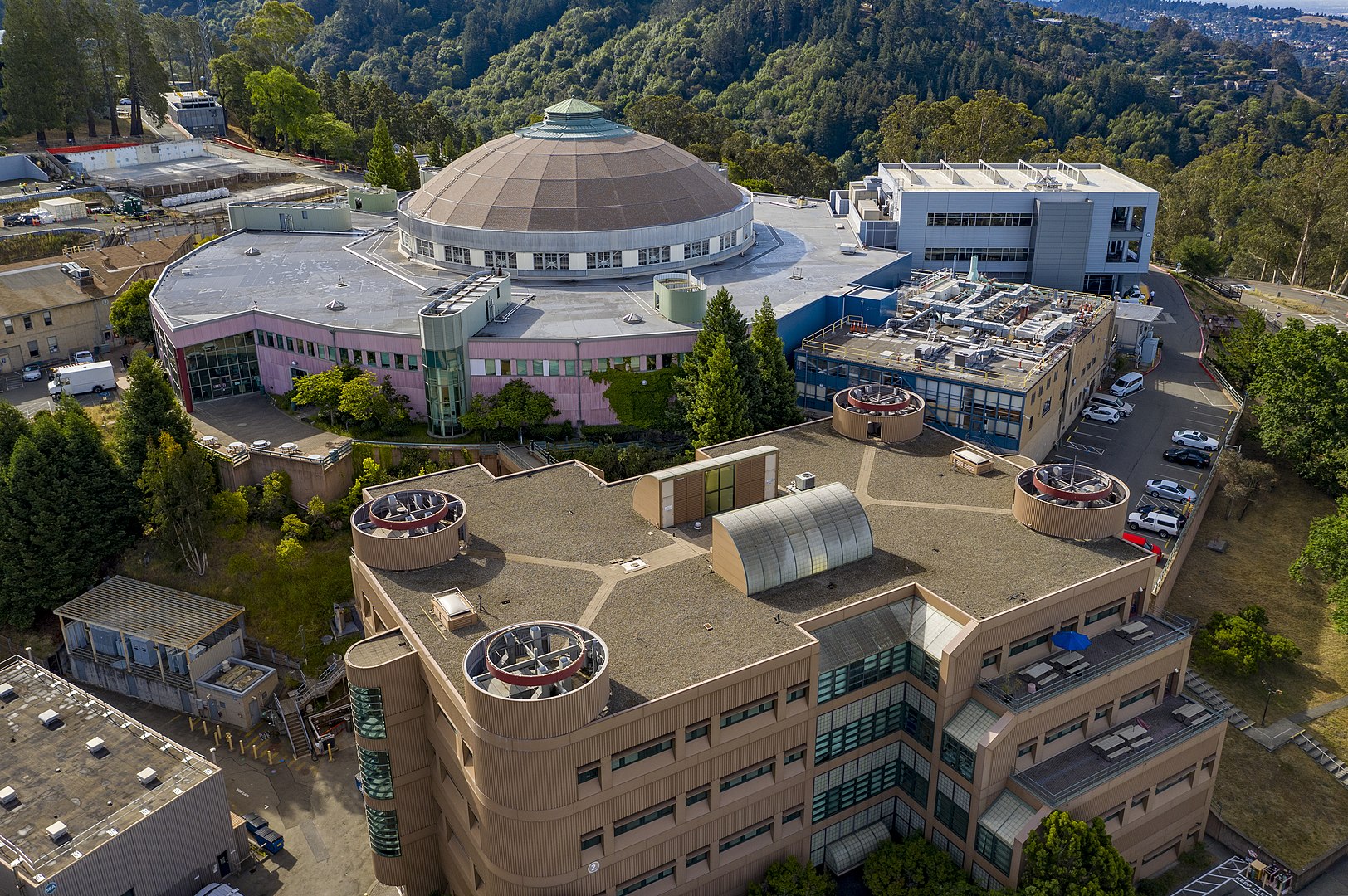
the success of the Accelerator Assistant at the Advanced Light Source (ALS) has spurred its adoption across other U.S. particle accelerator facilities as part of the Department of Energy’s (DOE) Genesys mission. This expansion demonstrates the broad applicability and value of the framework.
Collaboration is now underway with engineers at the International Thermonuclear experimental Reactor (ITER) in France,the world’s largest fusion reactor,to implement the system for use in their facility. A partnership with the Extremely Large Telescope (ELT) in northern Chile is also in development, further extending the reach of this innovative technology.
the Impact on Scientific Breakthroughs
The benefits of this technology extend far beyond operational efficiency. By optimizing accelerator operations, the work directly supports scientific breakthroughs with global implications.The stable X-ray beams produced by facilities like ALS are crucial for research in areas such as health, climate resilience, and planetary science.
During the COVID-19 pandemic, ALS researchers played a vital role in characterizing a rare antibody capable of

Microplastics Sink to Ocean Depths Via Invisible Zooplankton
Luke Littler Wins 2026 World Darts Championship: Result & Highlights


Related Posts

Volkswagen: Next-Gen Infotainment & Connectivity Features Reveale ...
January 9, 2026
Sony WH-1000XM4 Headphones on Sale: Save at Expert for $179
January 9, 2026