Rapid artificial intelligence scale-ups, mounting cloud infrastructure complexities, and aggressive automation initiatives across industrial and space sectors defined a volatile week in global technology from August 10 through August 14. Across the industry, major software and hardware developers pushed generative tools deeper into everyday consumer hardware and creative platforms, even as cybersecurity agencies issued urgent warnings regarding sophisticated corporate phishing campaigns and interconnected cloud vulnerabilities.
The week’s developments highlighted a growing tension between commercial acceleration and risk management.
From a surge in memory chip valuations to overhauls of mobile operating systems and search engines, the past several days demonstrated how rapidly theoretical artificial intelligence applications are crystallizing into commercial products and systemic operational challenges.
Apple and Google Double Down on AI Integration
Consumer-facing artificial intelligence integration accelerated significantly as Apple prepared a major system overhaul for iOS 27, integrating Google Gemini to handle on-device processing for faster and more privacy-focused user interactions, as reported by NewsBreak. The update aims to introduce novel capture modes within mobile camera applications and deeply embedded organizational tools within native photo software.
Simultaneously, Google launched a major structural overhaul of its core search architecture, incorporating Gemini 3.5 Flash to generate direct artificial intelligence summaries and interactive prompts within search engine result pages. Digital publishers quickly raised concerns over declining referral traffic driven by the rise of zero-click information retrieval.
Further expanding its ecosystem footprint, Google integrated its conversational AI directly into third-party creative software suites including Adobe, Canva, and CapCut. These integrations transform standard chatbot utilities into comprehensive multimedia editing workspaces, though consumer pricing models for premium tiers remain unspecified.
Automation Reshapes Enterprise, Semiconductor Markets, and Space Exploration
Enterprise automation efforts expanded into social media ecosystems and financial services. Meta initiated tests for new subscription tiers under the Meta One brand across Instagram, Facebook, and WhatsApp, ranging from affordable user plans to premium creator packages offering verification, analytics, and dedicated artificial intelligence compute boosts as part of a broader $145 billion AI investment strategy.
In financial technology, stock trading platform Robinhood rolled out agentic trading tools and an agentic credit card beta. These offerings permit autonomous agents like ChatGPT or Claude to execute stock trades and process purchases independently, prompting company warnings regarding inherent investment risks despite built-in spending limits and manual approval safeguards.
On the hardware front, South Korean memory manufacturer SK Hynix achieved a $1 trillion market valuation driven by demand for high-bandwidth memory chips. Market analysts note that the firm currently controls over half of the global high-bandwidth memory market, with component shortages projected to persist through 2028.
Meanwhile, NASA detailed operational plans for an autonomous robotic swarm designed to construct lunar infrastructure ahead of crewed missions. The agency scheduled up to 30 robotic lunar landings beginning in 2027, backed by a restructured administrative hierarchy intended to maintain budgetary discipline amid international competition.
Industrial Automation and Creative Frontiers
Creative industries faced fresh divisions over generative media following the Cannes Marché du Film screening of “Hell Grind,” an artificial intelligence-generated film produced for under $500,000 using ByteDance’s Seedance 2.0 platform. The project reignited intense debates among traditional filmmakers regarding the displacement of conventional production crews.
Industrial labor markets are undergoing parallel transformations. According to industry projections, China plans to deploy up to 24 million humanoid robots by 2035 to offset mounting demographic labor deficits, potentially replacing up to 60 percent of its projected workforce gap. This shift underscores a national pivot toward physical automation to sustain manufacturing output.
Cloud Security Realities and Federal Cyber Warnings
Enterprise cybersecurity teams faced renewed scrutiny regarding interconnected cloud environments. Security researchers warned that multi-vendor cloud architectures spanning Microsoft 365, Entra ID, Salesforce, and Azure significantly multiply organizational risk exposure through shared credential vulnerabilities and persistent data retention policies.
Federal law enforcement also issued direct alerts regarding active threat actor campaigns. According to federal advisories, the Silent Ransom Group—also known as Luna Moth—has actively impersonated corporate information technology personnel to infiltrate United States law firms and adjacent commercial sectors using physical USB drives and remote access software.
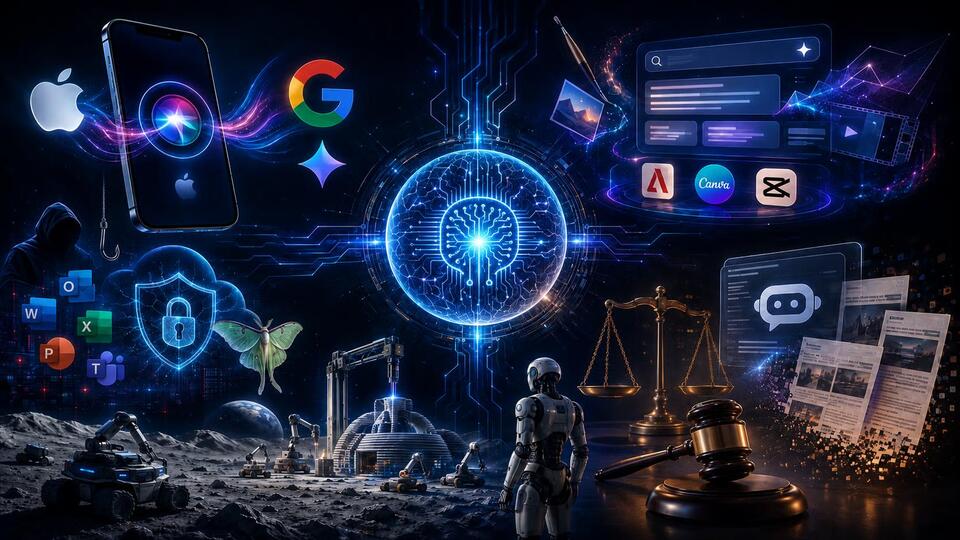
Additional threats materialized via advanced phishing toolkits such as Kali365, which security analysts report is actively exploiting enterprise communication channels. Experts emphasize that organizations must adhere strictly to the shared responsibility model in cloud computing, ensuring internal data protection protocols remain active even as cloud providers secure underlying infrastructure.
What Happens Next
As regulatory bodies monitor the rapid deployment of autonomous financial agents and corporate entities adjust to complex multi-cloud security frameworks, industry stakeholders await upcoming corporate earnings disclosures and autumn hardware showcase events. Observers should monitor official regulatory filings from financial authorities and cybersecurity advisories from federal agencies for further updates on enterprise compliance and threat mitigation.
We welcome your perspective on these developments. Please share your thoughts or questions in the comments section below.
Related reading