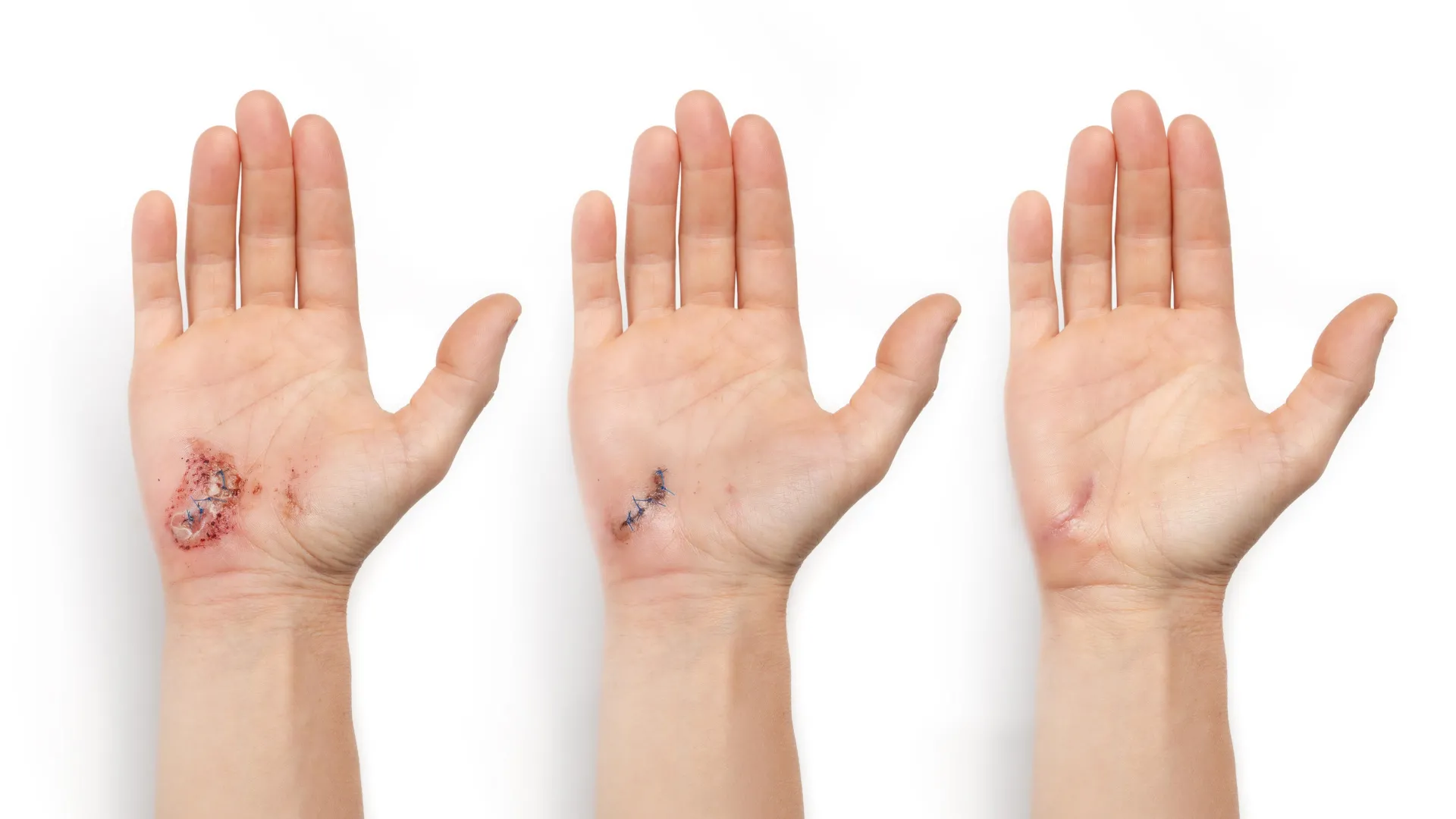
Revolutionizing Wound Care: AI-Powered “a-Heal” device Accelerates Healing by 25%
For centuries, wound care has relied on traditional methods. Now, a groundbreaking innovation from UC Davis is poised to dramatically change the landscape of healing, offering a faster, more smart approach to both acute and chronic wounds. Researchers have developed “a-Heal,” a sophisticated, AI-powered device that actively monitors and optimizes the healing process, demonstrating a remarkable 25% acceleration in wound closure compared to standard care in preclinical trials. This technology represents a meaningful leap forward, promising to improve patient outcomes and reduce the burden of chronic wound management.
The Challenge of Wound Healing & The Need for Intelligent Intervention
Effective wound healing is a complex biological process, often hampered by factors like infection, inflammation, and underlying health conditions. Chronic wounds, in particular – including diabetic ulcers, pressure sores, and venous leg ulcers – pose a substantial clinical and economic challenge, affecting millions worldwide and often leading to amputations. Traditional wound care often involves a reactive approach, addressing complications after they arise. a-Heal flips this paradigm, offering proactive, personalized treatment guided by real-time data and artificial intelligence.
How a-Heal works: A Symbiotic System of Sensors, AI, and targeted Therapies
a-Heal isn’t simply a bandage; it’s a sophisticated, closed-loop system integrating advanced imaging, machine learning, and targeted therapeutic delivery. Here’s a breakdown of its key components:
* Continuous Wound monitoring: an integrated, high-resolution camera, developed by Associate Professor Mircea Teodorescu, captures images of the wound every two hours. This continuous imaging provides a wealth of data, far exceeding the capabilities of intermittent visual assessments.
* The “AI Physician” – Intelligent Diagnosis & treatment Planning: These images are analyzed by a proprietary machine learning model, dubbed the “AI physician,” created by Associate professor Marcella Gomez. This AI doesn’t just see the wound; it diagnoses its stage of healing, comparing it to an optimal healing timeline.
* Personalized Therapeutic intervention: When the AI detects a lag in healing, it initiates targeted therapy. This can involve:
* Fluoxetine delivery: A precisely controlled dose of fluoxetine, a selective serotonin reuptake inhibitor, is delivered via bioelectronic actuators. preclinical studies led by the Isseroff group at UC Davis have demonstrated fluoxetine’s ability to reduce inflammation and promote tissue closure.
* Electric Field Stimulation: An optimized electric field, developed through prior research by UC Davis’ Min Zhao and Roslyn Rivkah Isseroff, is applied to enhance cell migration and accelerate wound closure.
* Real-Time Data & Physician Oversight: The device continuously transmits images and healing rate data to a secure web interface, allowing clinicians to monitor progress and intervene manually if necessary, ensuring a collaborative approach to care. a-Heal is designed to integrate seamlessly with existing bandages for ease of use.
The Power of Reinforcement Learning: An AI That Adapts and Improves
The intelligence behind a-Heal isn’t static.Professor gomez’s team employed a cutting-edge reinforcement learning approach, a technique where the AI learns through trial and error to optimize its treatment strategies. This is powered by a novel algorithm called Deep Mapper, which quantifies the stage of healing and forecasts future progression.
“It’s not enough to just have the image, you need to process that and put it into context. Than, you can apply the feedback control,” explains Gomez. This allows the AI to learn in real-time how the drug or electric field impacts healing, iteratively refining its decisions on dosage and intensity. This adaptive learning capability is crucial for addressing the unique characteristics of each wound and patient.
Promising Results & Future Directions
Preclinical studies have demonstrated a-Heal’s significant potential. Wounds treated with the device healed approximately 25% faster than those receiving standard care. The research team is now focused on expanding the application of a-heal to address the challenges of chronic and infected wounds, where the need for innovative solutions is particularly acute.
looking Ahead: A New Era in Wound Care
a-Heal represents a paradigm shift in wound care, moving from reactive management to proactive, personalized treatment guided by the power of artificial intelligence. This technology has the potential to not only accelerate healing but also to improve the quality of life for millions suffering from acute and chronic wounds. With ongoing research and advancement,a-Heal promises to usher in a new era of effective,efficient,and patient-centered wound care.
Further Details:
* [Link to Additional Publications](Insert Link Here – as provided in original text)
Funding Acknowledgement: This
Related reading