
In the rapidly evolving landscape of the modern workplace, the integration of artificial intelligence is frequently met with a binary reaction: existential dread regarding job displacement or unbridled optimism about unprecedented productivity. However, as we observe the deployment of these systems across global markets, a more nuanced reality is emerging. Rather than serving as a wholesale replacement for human labor, artificial intelligence is increasingly functioning as a digital assistant—an intern of sorts that handles the mundane, the repetitive and the data-heavy, allowing professionals to pivot toward high-level strategy and creative problem-solving.
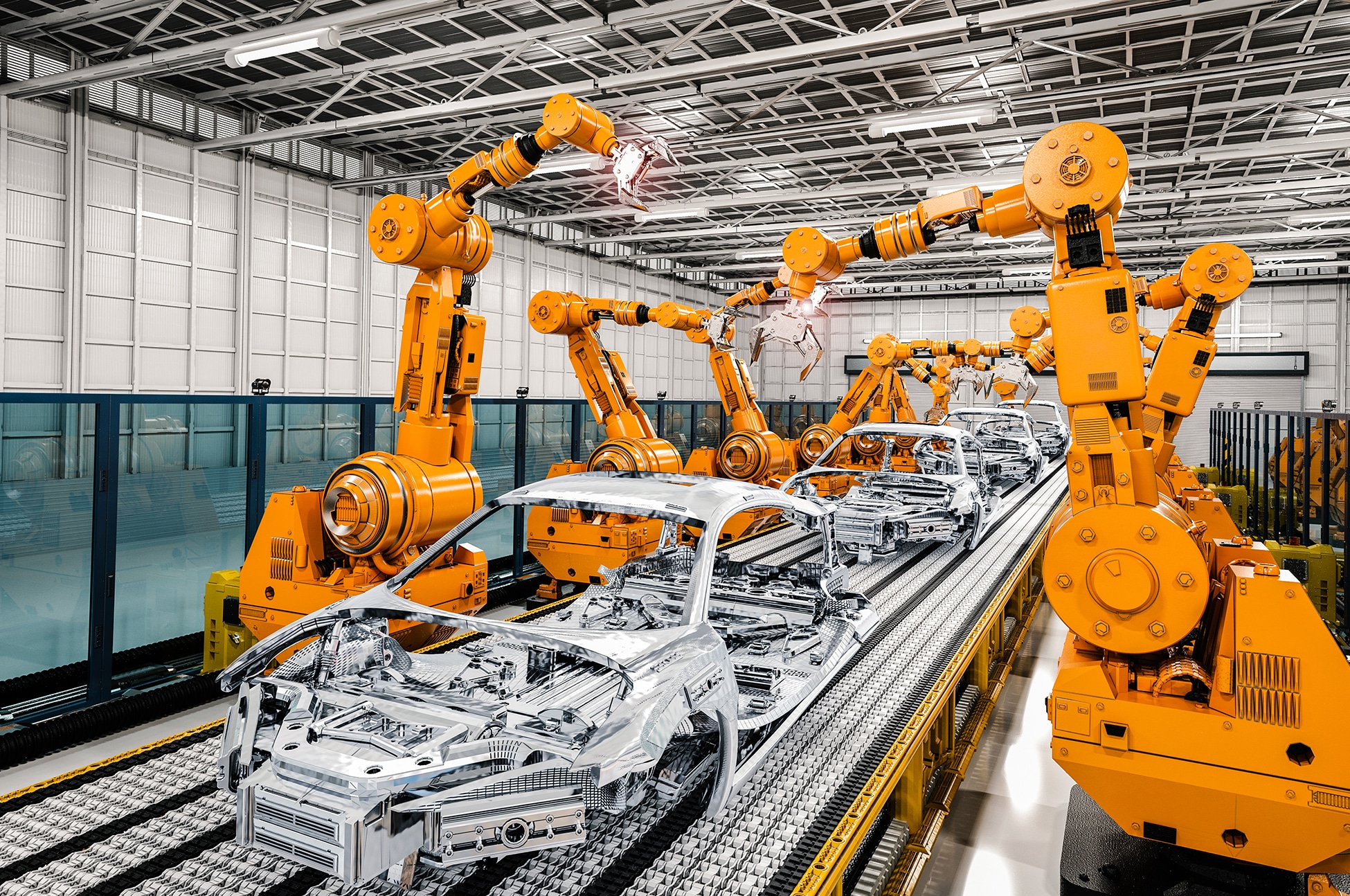
For many business leaders and industry analysts, the comparison of artificial intelligence to the industrial automation of the 20th century is becoming increasingly outdated. While industrial machinery was designed to replace manual physical labor, generative AI models are designed to augment cognitive tasks. This shift marks a fundamental change in how we define human-computer collaboration. As businesses continue to navigate this transition, understanding the distinction between automation and augmentation is no longer just a technical necessity—It’s a critical economic imperative.
The Evolution of the Digital Workforce
The conversation surrounding AI in the workplace often centers on the fear of obsolescence. Yet, data from international labor organizations suggest that the impact is far more varied. According to the International Labour Organization (ILO), while generative AI has the potential to automate certain routine tasks, its most significant effect is likely to be the augmentation of existing roles. So that a software developer, a paralegal, or a financial analyst might find their daily workflows restructured rather than eliminated. By delegating data synthesis, code documentation, or initial drafting to AI, workers are finding more bandwidth for the nuanced, interpersonal, and ethical judgments that remain uniquely human.
This “intern” model of AI—where the technology is supervised, prompted, and corrected by a human professional—reflects a broader trend in organizational design. Companies that successfully implement these tools are finding that they do not necessarily lead to staff reductions, but rather to a shift in the skills required for success. Proficiency in “prompt engineering” or AI literacy is becoming as essential as traditional software skills, signaling a maturation of the digital economy where the tool is only as effective as the professional directing it.
Navigating the Productivity Paradox
Despite the potential for increased output, the adoption of AI is not without its challenges. There is a persistent “productivity paradox,” where the initial investment in AI training and infrastructure can temporarily leisurely down project timelines before long-term efficiencies are realized. The reliance on AI for drafting or research requires a rigorous approach to verification. As noted in guidance from the National Institute of Standards and Technology (NIST), managing risk—particularly regarding data accuracy and bias—is a foundational component of responsible AI deployment.
For the average business, the current phase of AI adoption is characterized by experimentation. Organizations are moving away from broad, sweeping AI mandates toward targeted use cases. Whether it is automating the reconciliation of financial ledgers or streamlining customer service inquiries via intelligent chatbots, the focus is on removing friction from the workday. By treating AI as a capable but fallible intern that requires constant oversight, businesses can mitigate risks while capturing the benefits of increased speed and lower operational overhead.
What Lies Ahead for the Modern Professional
Looking toward the remainder of the year and into the next, the focus for policymakers and corporate leaders will likely shift toward workforce reskilling. The World Economic Forum’s Future of Jobs Report highlights that the demand for analytical thinking and creative problem-solving will remain at the forefront of the global labor market. As AI handles the “intern” tasks of data processing and information retrieval, the premium on human expertise—our ability to navigate ambiguity, lead teams, and understand complex cultural contexts—will only grow.
the transformation of the workplace is not something that happens to employees, but rather something they participate in. Those who view AI as a partner in their professional development will likely find themselves better positioned to navigate the shifts in their respective industries. As we continue to monitor the impact of these technologies, the goal for businesses must remain clear: leveraging innovation to enhance, rather than replace, the human capacity for innovation itself.
The next major milestone in this discourse will arrive with the upcoming release of updated labor market data from the Organisation for Economic Co-operation and Development (OECD), which is expected to provide further insights into the long-term trends of AI integration across member nations. In the meantime, we invite our readers to share their own experiences: How has your workplace adapted to these new tools, and what challenges have you encountered? Join the conversation in the comments section below.
Related reading
- US and Japan Intervene to Stop Yen Crash: Impact on Global Currencies and the Korean Won
- SDIS Haute-Vienne President Calls for National Law on Firefighter Resourcing
- RAP vs. IBR: What Your New Student Loan Bill Actually Costs (daybreakwire.com)
- Titan: The Safe But Freezing Moon Where Humans Could Actually Fly (time.news)