
Demystifying Artificial Intelligence: A Workshop in Belgium Bridges the Knowledge Gap
The rapid advancement of artificial intelligence is prompting both excitement and apprehension across the globe. From generating creative content to automating complex tasks, AI’s potential seems limitless. However, for many, understanding the technology – and discerning its capabilities from its limitations – remains a significant challenge. A recent workshop held at the Triangel St. Vith in Belgium aimed to address this knowledge gap, offering a hands-on introduction to AI tools and fostering critical thinking about their role in everyday life. The event, designed for individuals with varying levels of technical expertise, underscores a growing need for accessible AI education as the technology becomes increasingly integrated into society.
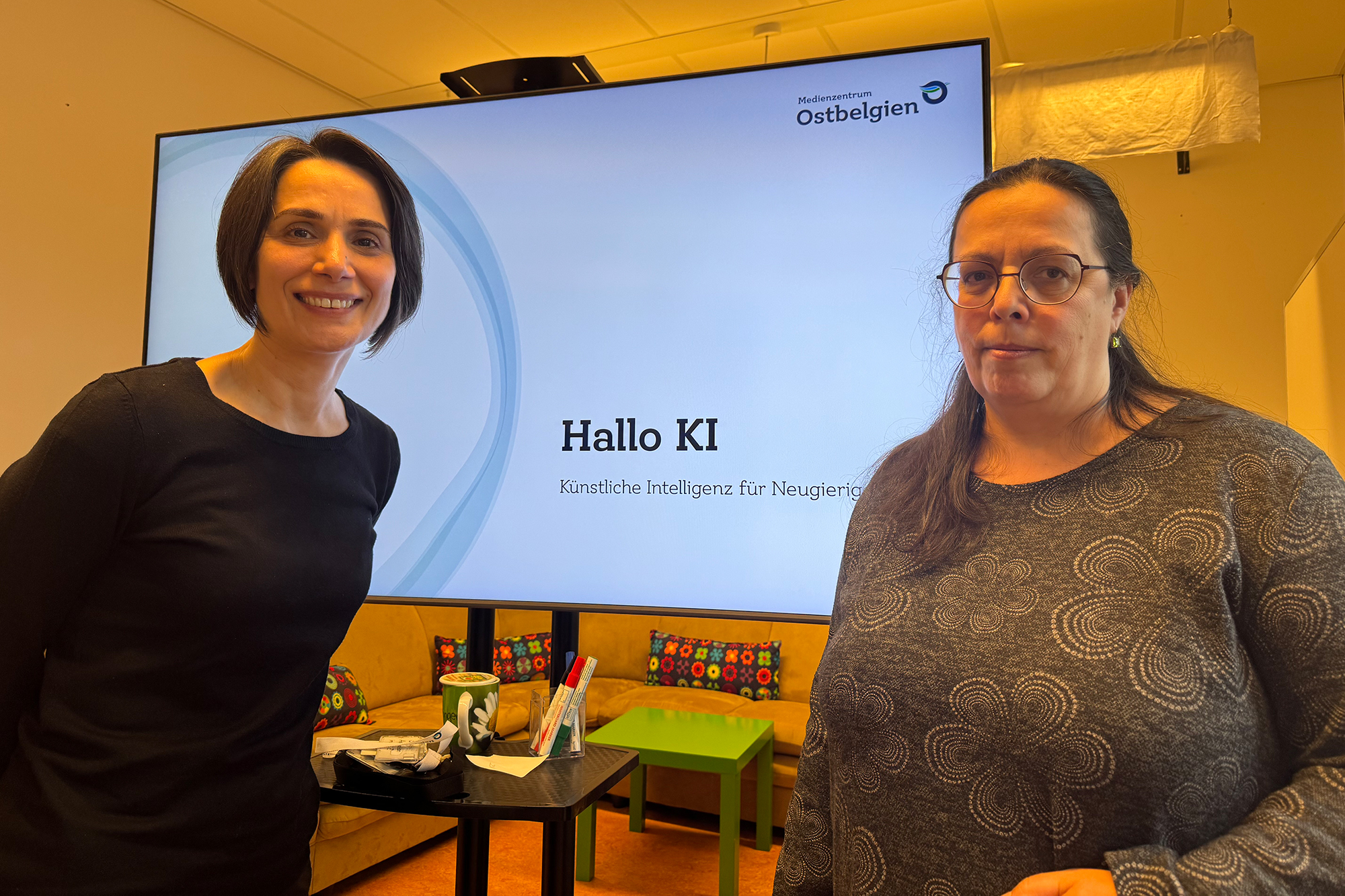
On a Saturday afternoon, ten participants gathered around a large table in a seminar room at the Triangel St. Vith, each equipped with a laptop. The focus wasn’t on abstract theory, but on practical application. The workshop centered around exploring available AI tools, understanding how they function, identifying opportunities, and acknowledging inherent limitations. Participants experimented with image and video generation, even crafting a Karneval (Carnival) song using AI. Paul Bongartz, a resident of St. Vith, tested ChatGPT, prompting it to plan a vacation. “I found the suggestions quite interesting. I asked precise questions and received clear answers. But when I inquired about the costs, ChatGPT was unable to provide a response,” Bongartz noted, highlighting a common challenge with current AI models.
The Limits of AI: Reality and Fiction Blur
Bongartz’s experience points to a crucial aspect of navigating the AI landscape: recognizing its boundaries. While AI tools offer remarkable capabilities, they are not infallible. The workshop facilitators emphasized the growing difficulty in distinguishing between authentic content and AI-generated material. Photos, videos, and music created by AI are becoming increasingly sophisticated, blurring the lines between reality and fiction. This raises vital questions about trust, verification, and the potential for misinformation. According to a 2023 report by the Brookings Institution, the proliferation of AI-generated deepfakes poses a significant threat to democratic processes and public trust. Deepfakes and Disinformation
Gerlinde Wächter, from the Medienzentrum (Media Center), explained the rationale behind the workshop. “Many people struggle to retain up with technological developments – or at least believe they do. They seek information and assistance. And when they research online, they immediately encounter AI. It’s important to have personal contacts and simply the opportunity to experiment for themselves,” she said. The workshop aimed to provide that space for exploration and demystification, empowering participants to critically evaluate AI-generated content and understand its potential impact.
AI as a Tool: Opportunities and Concerns
Throughout the seminar, a consensus emerged among participants: AI is primarily a tool. A powerful tool, to be sure, capable of both positive and negative applications. However, the prevailing view was that its impact will ultimately depend on how humans choose to wield it. Some participants expressed skepticism about the future, voicing concerns about being “overwhelmed” by the technology. Nadine Grommes, a librarian in St. Vith with 30 years of experience organizing reading sessions for children, remained cautiously optimistic. “Last year, we had 52,490 book and media loans. That’s why I’m looking to the future with optimism. It’s good to see that books are still in demand, especially among children. It won’t be possible to do without computers entirely – but it’s important to always question a lot of questions,” Grommes stated. The St. Vith library’s continued success demonstrates the enduring value of traditional media alongside emerging technologies.
The workshop participants recognized the potential for AI to augment human capabilities, but also acknowledged the ethical considerations that accompany its development and deployment. Concerns about job displacement, algorithmic bias, and the responsible use of AI-generated content were frequently raised. A 2024 report by the World Economic Forum estimates that AI could displace 85 million jobs globally by 2025, while simultaneously creating 97 million new roles. The Future of Jobs Report 2023 This highlights the need for proactive workforce development and reskilling initiatives to mitigate potential negative consequences.
The Triangel St. Vith: A Hub for Cultural and Technological Exchange
The workshop took place at the Triangel St. Vith, a cultural, conference, and exhibition center that has develop into a focal point for events in the East Belgium region. Opened in September 2009, the Triangel hosts approximately 50,000 visitors annually, drawing people from Belgium, Germany, and Luxembourg. Triangel – East Belgium The center’s versatility makes it an ideal venue for a wide range of activities, from concerts and theatrical performances to conferences and educational workshops like the recent AI session. The Triangel’s commitment to providing spaces for learning and innovation underscores its role in fostering community engagement and economic development.
Looking Ahead: The Importance of Critical AI Literacy
The participants left the workshop with a renewed sense of awareness and a commitment to critical thinking. The event served as a crucial first step in understanding the complexities of artificial intelligence. As AI continues to evolve, the ability to evaluate its outputs, identify its limitations, and navigate its ethical implications will become increasingly essential. The demand for similar educational initiatives is likely to grow as AI permeates more aspects of daily life. The Schönberger Passionsspiele, a unique cultural tradition taking place at the Triangel St. Vith from March 22nd to April 18th, 2025, demonstrates the center’s commitment to blending tradition with innovation, a theme that resonates with the ongoing conversation surrounding AI. Hier wird biblische Geschichte lebendig
The workshop at the Triangel St. Vith highlights a broader trend: the need for accessible AI education to empower individuals and communities to navigate this transformative technology responsibly. As AI becomes more pervasive, fostering critical AI literacy will be paramount to ensuring its benefits are widely shared and its risks are effectively mitigated. The conversation surrounding artificial intelligence is just beginning, and initiatives like this workshop are vital in shaping a future where AI serves humanity’s best interests.
Stay tuned to World Today Journal for continued coverage of artificial intelligence and its impact on society. Share your thoughts and experiences with AI in the comments below.