
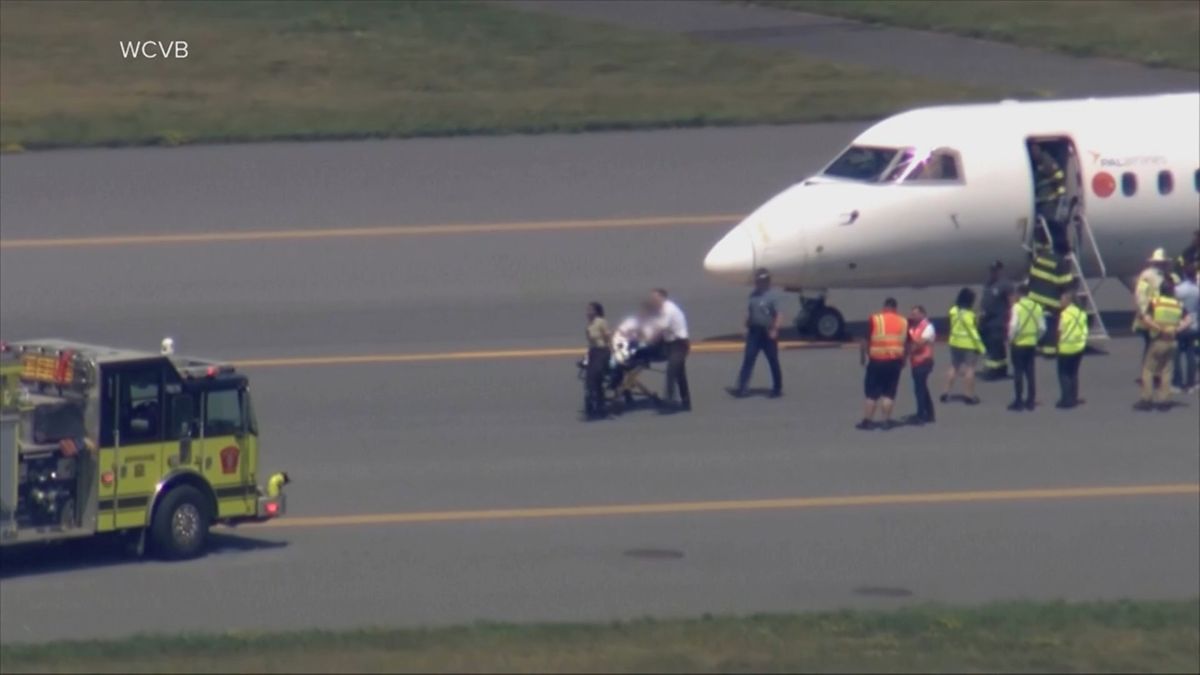
An Air Canada flight was forced to make an emergency landing at Boston Logan International Airport after a pilot experienced a sudden medical emergency. The incident, which occurred mid-flight, necessitated an immediate diversion to ensure the safety of the passengers and crew on board. According to aviation authorities and airport officials, the aircraft landed safely without further complications, and the pilot received immediate medical attention upon arrival.
The flight, which was en route to its destination, declared an emergency after the flight deck crew reported that one of the pilots had become incapacitated due to a sudden medical episode. In accordance with standard aviation safety protocols, the remaining crew members took control of the aircraft and coordinated with air traffic control to facilitate an expedited landing at the nearest suitable airport. The Federal Aviation Administration (FAA) confirmed that the flight landed at Boston Logan International Airport, where emergency medical services were standing by to assist the pilot. Information regarding the specific nature of the medical issue remains protected under privacy regulations, though initial reports from ground crews indicated the pilot was alert and receiving care shortly after the plane reached the gate.
Aviation Safety Protocols and Emergency Diversions
When a pilot becomes incapacitated, commercial airlines follow strictly regulated emergency procedures designed to prioritize passenger safety above all else. Under regulations established by the Federal Aviation Administration, flight crews are trained to manage in-flight medical emergencies, which include the rapid assessment of the situation and communication with ground-based dispatchers and air traffic control. The decision to divert to the nearest airport is standard practice, ensuring that the affected crew member receives professional medical intervention as quickly as possible. According to the FAA’s Advisory Circulars on flight crew health, safety management systems require that operations be handed over to the secondary pilot or first officer immediately, ensuring the aircraft remains under stable control throughout the landing process.

The diversion of an international flight is a complex operation that involves coordination between the airline’s operations center, local airport authorities, and emergency medical response teams. In the case of the Air Canada flight, ground crews at Boston Logan were alerted well in advance of the landing, allowing for a seamless transition from the air to medical facilities. Such incidents, while rare, highlight the effectiveness of the multi-pilot system in commercial aviation, which is designed specifically to mitigate the risks associated with the sudden illness of a single crew member.
Impact on Passengers and Airline Operations
Following the emergency landing, passengers on board were provided with assistance as the airline worked to arrange alternative travel plans. Air Canada issued a statement confirming that the flight landed safely and that the primary concern of the airline was the well-being of the crew member and the comfort of the passengers. Disruptions of this nature typically involve extensive logistical coordination, as the airline must manage crew duty time limitations and aircraft availability to ensure that the flight can continue to its final destination or that passengers are rebooked on subsequent services.
Data from aviation tracking services indicates that the aircraft remained on the ground in Boston for several hours while the situation was resolved. For travelers, the incident serves as a reminder of the robust safety margins built into modern aviation. According to the National Transportation Safety Board (NTSB), which tracks safety trends across the industry, emergency diversions for medical reasons are classified as operational events rather than mechanical failures, and they do not reflect broader safety concerns regarding the aircraft or the airline’s maintenance standards.
Understanding In-Flight Medical Readiness
The industry standard for pilot health is governed by rigorous medical certification requirements, which vary by jurisdiction but generally involve periodic physical examinations to ensure pilots are fit for duty. Despite these precautions, sudden medical events can occur, which is why the “two-pilot” rule and advanced automated flight systems are critical components of contemporary aviation safety. The ability for an aircraft to be safely landed by a single pilot, or by the remaining crew, is a fundamental requirement for all commercial flight operations.

As of the most recent updates, the pilot involved in the incident remains under medical observation, and there have been no reports of further health complications. The airline has not provided a timeline for the pilot’s return to duty, noting that such matters are handled internally and in accordance with medical advice. Passengers seeking information regarding their travel schedules or compensation policies in the wake of the diversion are encouraged to visit the official Air Canada website for real-time updates and customer support resources.
This incident remains under review as part of standard post-flight reporting procedures. Further updates regarding the incident will be provided by the airline as they become available. Readers are invited to share their thoughts or experiences with air travel safety in the comments section below, as we continue to track developments in global aviation standards.