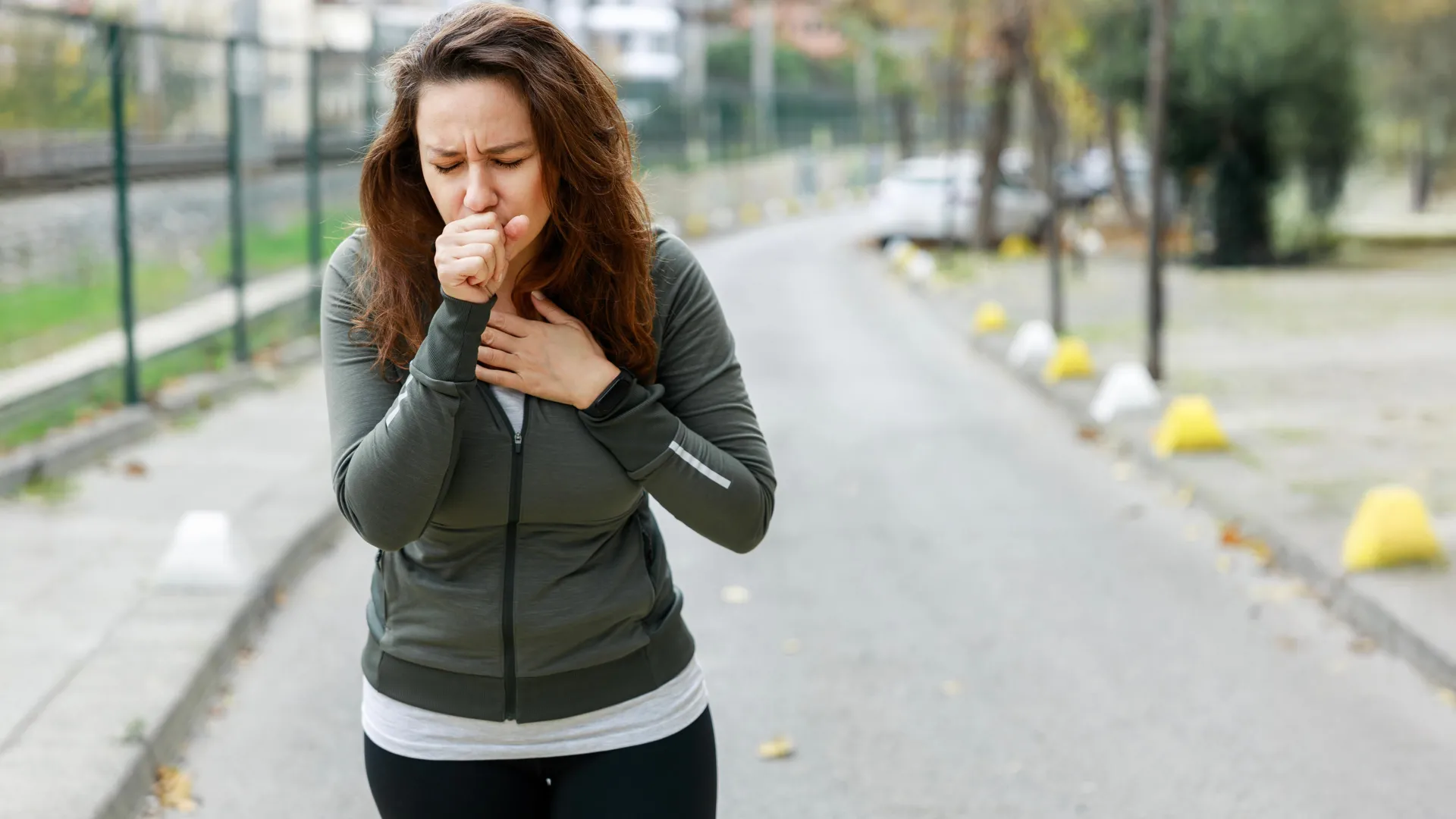
The Double-Edged Sword of Exercise: How Air Pollution Diminishes the Health Benefits of Physical activity
For decades,the mantra of a healthy lifestyle has centered around two pillars: regular physical activity and clean eating. However, a groundbreaking new study reveals a critical, often overlooked factor impacting the efficacy of exercise – air quality. While exercise remains undeniably beneficial, its protective effects are significantly eroded by exposure to fine particulate matter (PM2.5) pollution, a pervasive threat impacting nearly half the world’s population. This analysis,drawing on data from seven extensive studies and incorporating previously unpublished research,underscores the urgent need to address air pollution alongside promoting physical activity for optimal public health.
The Invisible Threat: Understanding PM2.5 and Its Impact
The research focused on PM2.5s – microscopic particles measuring less than 2.5 micrometers in diameter. These particles are particularly dangerous because their diminutive size allows them to bypass the body’s natural defenses, penetrating deep into the lungs and even entering the bloodstream. This access allows PM2.5s to contribute to a range of health problems, including respiratory illnesses, cardiovascular disease, and even cancer.
The study’s findings are stark: the benefits of exercise begin to diminish noticeably when yearly average PM2.5 levels reach 25 micrograms per cubic meter (μg/m3). Alarmingly, 46% of the global population currently resides in areas exceeding this threshold. As pollution levels climb, the protective advantages of physical activity are progressively weakened.
A large-Scale Inquiry Confirms the Link
Led by Professor Po-Wen Ku of National Chung Hsing University,Taiwan,the research team meticulously combined data from multiple sources,including three previously unpublished studies. The analysis revealed a compelling pattern: individuals engaging in at least two and a half hours of moderate to vigorous exercise each week experienced a 30% lower risk of death during the study period compared to their less active counterparts.
However, this protective effect dramatically decreased for those living in highly polluted areas. For highly active individuals exposed to PM2.5 levels above 25 μg/m3, the risk reduction dropped to a mere 12-15%. Further escalation of pollution – exceeding 35 μg/m3 – led to a substantial weakening of benefits, particularly in relation to cancer-related mortality. Approximately 36% of the global population lives in regions facing this level of PM2.5 exposure.
Implications for the UK and Beyond
While the UK generally experiences lower average PM2.5 levels (around 10 μg/m3) than many other parts of the world,the study highlights a crucial caveat. Pollution levels in UK cities are subject to meaningful fluctuations, with wintertime spikes frequently surpassing the critical 25 μg/m3 threshold. This means even regular exercisers in the UK might potentially be unknowingly diminishing the health benefits of their activity during periods of poor air quality.
“We don’t want to discourage people from exercising outdoors,” emphasizes Professor Paola Zaninotto from UCL’s Department of Epidemiology & Public Health. “Checking air quality, choosing cleaner routes, or easing off intensity on polluted days can help you get the most health benefits from your exercise.” This proactive approach is vital for maximizing the positive impact of physical activity.
Expert Perspective: A Call for Integrated Solutions
The study’s findings reinforce the understanding that clean air and physical activity are not mutually exclusive, but rather synergistic components of a healthy lifestyle. Professor Andrew Steptoe from UCL’s Department of Behavioural Science & Health succinctly states, “Our study shows that toxic air can to some extent block the benefits of exercise, even though not eliminate them. The findings are further evidence of the damage that fine particle pollution can do to our health.”
This research isn’t simply about quantifying the impact of pollution; it’s a call to action. Addressing air quality is no longer solely an environmental issue – it’s a public health imperative. Investing in cleaner energy sources, promoting lasting transportation, and implementing stricter emission controls are crucial steps towards safeguarding the health of populations worldwide.
Study Limitations and Future Research
The researchers acknowledge certain limitations. The majority of the data originated from high-income countries, perhaps limiting the generalizability of the findings to low-income regions where pollution levels are often significantly higher. Furthermore, the study lacked detailed details on indoor air quality and dietary habits.
Though, the research team meticulously accounted for other influential variables, including socioeconomic status, education level, smoking history, and pre-existing health conditions, strengthening the validity of their conclusions. Future research should