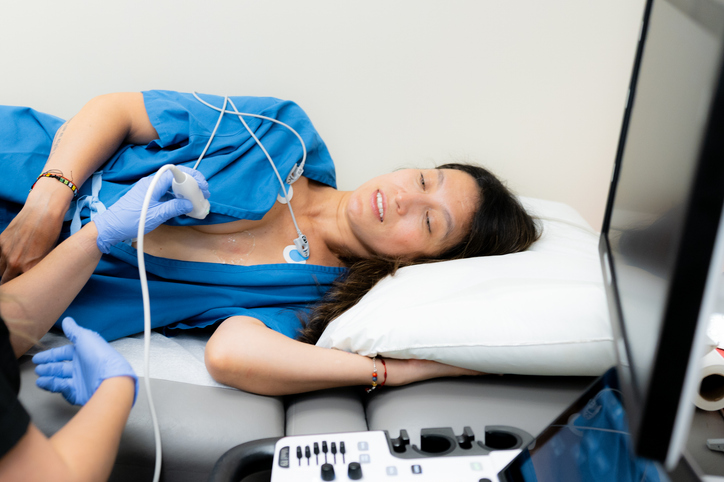
Bridging the Diagnostic Gap in Heart Disease: How Ultromics is Revolutionizing echocardiogram Analysis with AI
For years, cardiology has grappled with a frustrating reality: many cardiovascular conditions aren’t missed because patients aren’t being tested, but because existing tests aren’t consistently providing clear answers. this diagnostic uncertainty leads to delayed treatment and poorer outcomes, particularly for vulnerable populations.Ultromics, a company founded in 2017 by Ross Upton, is tackling this challenge head-on with a groundbreaking approach to echocardiogram analysis powered by artificial intelligence.
Upton, who also serves as Ultromics’ CEO and chief scientific officer, built the company on research stemming from his PhD in cardiovascular medicine at the University of oxford. As a trained cardiac sonographer, he witnessed firsthand the subjective nature of echocardiogram interpretation and the potential for critical diagnoses to be overlooked.He recognized a critical need for a more objective, consistent, and scalable solution.
The Challenge: Hidden Heart Conditions & Diagnostic Delays
Two conditions, in particular, highlight this diagnostic struggle: cardiac amyloidosis and heart failure with preserved ejection fraction (HFpEF). These conditions often present with subtle,non-specific symptoms,making early detection incredibly tough – even for experienced clinicians.
This delay in diagnosis has significant consequences:
* prolonged suffering: Symptoms persist, impacting quality of life.
* Inconclusive workups: Patients undergo repeated testing without a clear answer.
* Delayed treatment: The window for effective intervention narrows.
Importantly, this gap in care disproportionately affects women. Research indicates women are more likely to develop HFpEF, yet up to 64% of cases go undiagnosed. Symptoms like fatigue, shortness of breath, and swelling are often dismissed or attributed to non-cardiac causes, leading to a significant underdiagnosis.
Ultromics: AI-Powered Precision in Echocardiography
Ultromics’ innovative technology aims to change this narrative. Instead of relying solely on a clinician’s visual assessment of an echocardiogram, their AI model dives deep into the data. It analyzes millions of pixels across multiple heartbeats, identifying subtle motion patterns indicative of disease.
Think of it this way: your eyes can only see so much in a quick review of a video. Ultromics’ AI acts as a tireless, highly-trained second opinion, uncovering patterns that might otherwise be missed.
Here’s how it effectively works:
* Complete Analysis: The AI examines the entire echocardiogram clip, not just snapshots.
* Pattern Recognition: It learns to identify patterns associated with known diseases like HFpEF and cardiac amyloidosis.
* Objective Results: Provides a consistent, data-driven assessment, reducing subjectivity.
Real-World Impact: Deployed in Leading Health Systems
Ultromics isn’t just a promising technology; it’s already being implemented in leading healthcare institutions across the country. The platform is currently utilized by:
* Northwestern Medicine
* University Hospitals
* University of Chicago Medicine
To date, Ultromics has processed over 430,000 echocardiograms globally, demonstrating its scalability and real-world applicability.
How Ultromics Differs from Other Cardiac Imaging Technologies
While companies like HeartFlow offer similar approaches – enhancing existing cardiac imaging with AI – Ultromics occupies a distinct space. HeartFlow focuses on CT scans, while Ultromics leverages the ubiquity of echocardiography.
Here’s a key differentiator:
* Volume: Echocardiography is performed at a considerably higher volume than CT scans.
* Speed: Ultromics delivers results in minutes, seamlessly integrating into routine clinical workflows, unlike the hours required for CT analysis.
* Focus: Ultromics specifically targets hard-to-diagnose conditions like HFpEF and cardiac amyloidosis, where early detection can dramatically alter a patient’s prognosis.
The Future of Cardiology: scaling for Impact
Ultromics recently secured new capital from the American Heart Association (AHA) to accelerate the adoption of its platform across U.S. hospitals. This investment will enable the company to address some of cardiology’s most persistent blind spots and improve outcomes for countless patients.
If you’re a healthcare professional, consider how AI-powered echocardiogram analysis could enhance your diagnostic capabilities and improve patient care. For patients, understanding the potential of these technologies empowers you to advocate