
The rise of short-term rental platforms such as Airbnb in the historic town of Uzès, France, has sparked a complex debate regarding the local real estate market, tourism infrastructure, and the preservation of housing for permanent residents. As property owners increasingly transition long-term rentals into holiday accommodations, local stakeholders are weighing the economic benefits of increased tourism against the potential for decreased housing availability for the local workforce, according to data from the Mairie d’Uzès.
For a town renowned for its medieval architecture and the Place aux Herbes, the influx of transient visitors via platforms like Airbnb represents a significant shift in the local economy. While these rentals provide a lucrative revenue stream for property owners and support the hospitality sector, they have also contributed to upward pressure on real estate prices. The challenge for municipal authorities lies in balancing the demand for tourist-friendly lodging with the necessity of maintaining a viable, affordable housing stock for year-round inhabitants, a trend observed in similar heritage towns across the Occitanie region as reported by the Institut national de la statistique et des études économiques (INSEE).
Economic Impact of Short-Term Rentals in Uzès
The proliferation of short-term rentals is viewed by many local business owners as a primary driver for the town’s commercial vitality. By attracting visitors who might otherwise bypass the town, Airbnb listings extend the tourist season beyond the traditional summer months. This increased foot traffic directly benefits local restaurateurs, artisans, and boutique retailers who anchor the town’s economy. According to reports from the Gard Tourisme agency, the diversification of lodging options is often cited as a key factor in keeping the local tourism sector competitive against larger urban centers.

However, the economic narrative is not entirely one-sided. Real estate professionals operating in the Gard department note that the conversion of traditional rentals into seasonal units has reduced the supply of long-term housing. This supply contraction, paired with consistent demand from prospective buyers, has influenced property values in the town center. Local housing committees often highlight that when residential stock is diverted to the platform economy, local families may face difficulties securing long-term leases, a phenomenon documented in national studies concerning the impact of digital platforms on housing markets, as noted by the French Ministry of Housing.
Regulatory Framework and Local Governance
To manage the density of short-term rentals, local governments in France have increasingly utilized the “changement d’usage” (change of use) regulations. In municipalities similar to Uzès, this process requires property owners to obtain specific authorization before converting residential space into commercial tourist accommodation. These regulations are designed to ensure that the character of the historic center remains residential rather than becoming a collection of unoccupied holiday homes, or “résidences secondaires,” during the off-season.
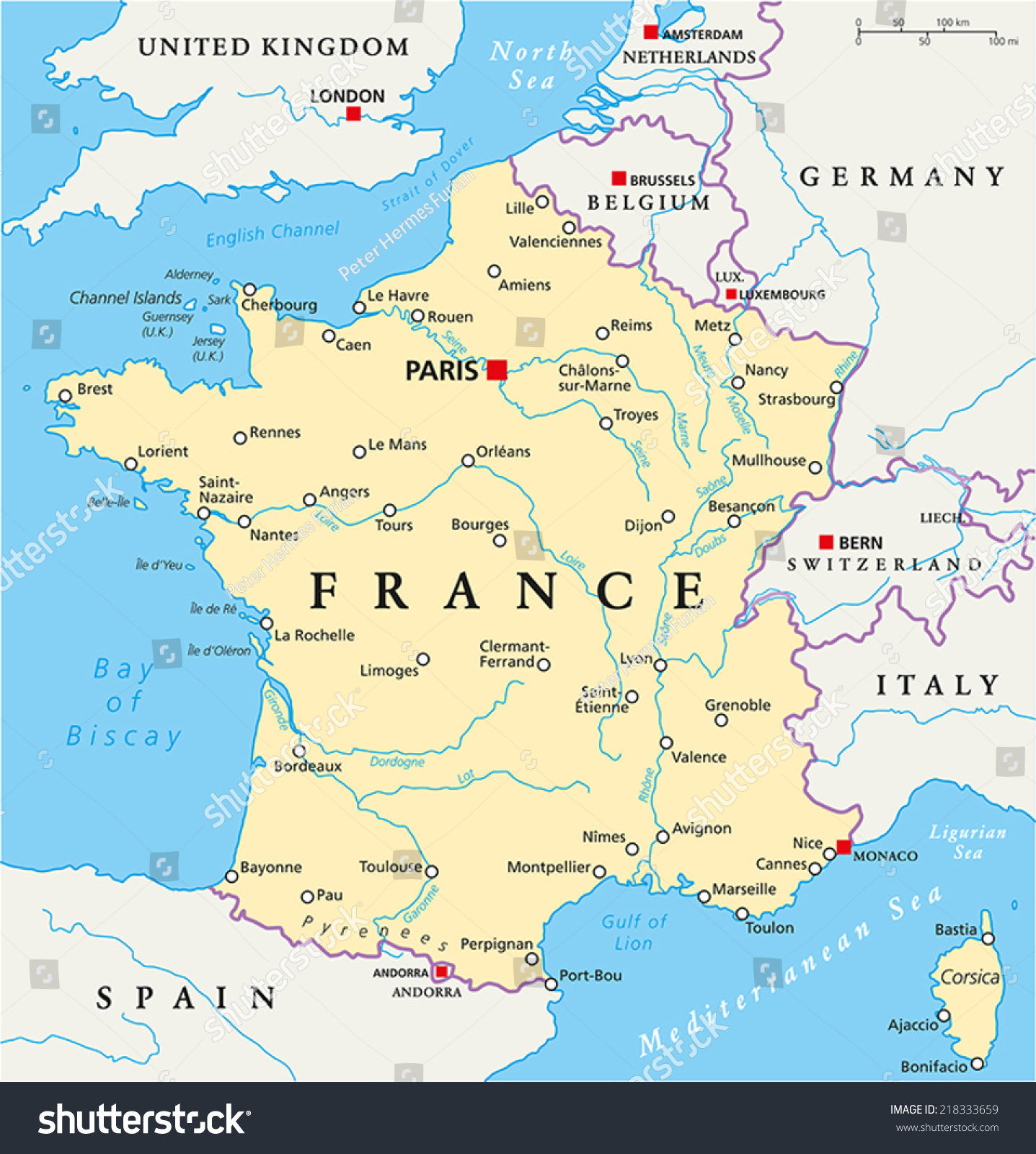
The town of Uzès continues to evaluate its urban planning policies to address these pressures. Officials are tasked with analyzing the balance between the revenue generated by tourism taxes—which fund municipal projects—and the social cost of gentrification. The Code de la construction et de l’habitation provides the legal framework for these interventions, allowing municipalities to limit the number of days a property can be rented if it is not the owner’s primary residence. As of the latest municipal updates, the administration remains focused on sustainable tourism development that does not compromise the town’s social fabric.
Future Outlook for the Uzès Housing Market
The evolution of the housing market in Uzès remains a subject of ongoing scrutiny by both the municipal council and local real estate analysts. Future policy adjustments may include stricter enforcement of registration requirements for hosts, a common practice in other high-traffic tourist destinations throughout France. These measures aim to provide authorities with accurate data on the volume of short-term rentals, enabling more informed decision-making regarding zoning and housing development.

Residents and stakeholders interested in the upcoming municipal developments are encouraged to monitor official announcements from the Uzès municipal website, where public consultations regarding urban planning and housing strategies are periodically posted. As the tourism landscape continues to evolve, the town’s ability to adapt its regulatory environment will likely define its long-term viability as both a premier tourist destination and a functional, accessible community for its permanent residents. Readers are invited to share their perspectives on the balance between tourism and local housing in the comments section below.
Related reading