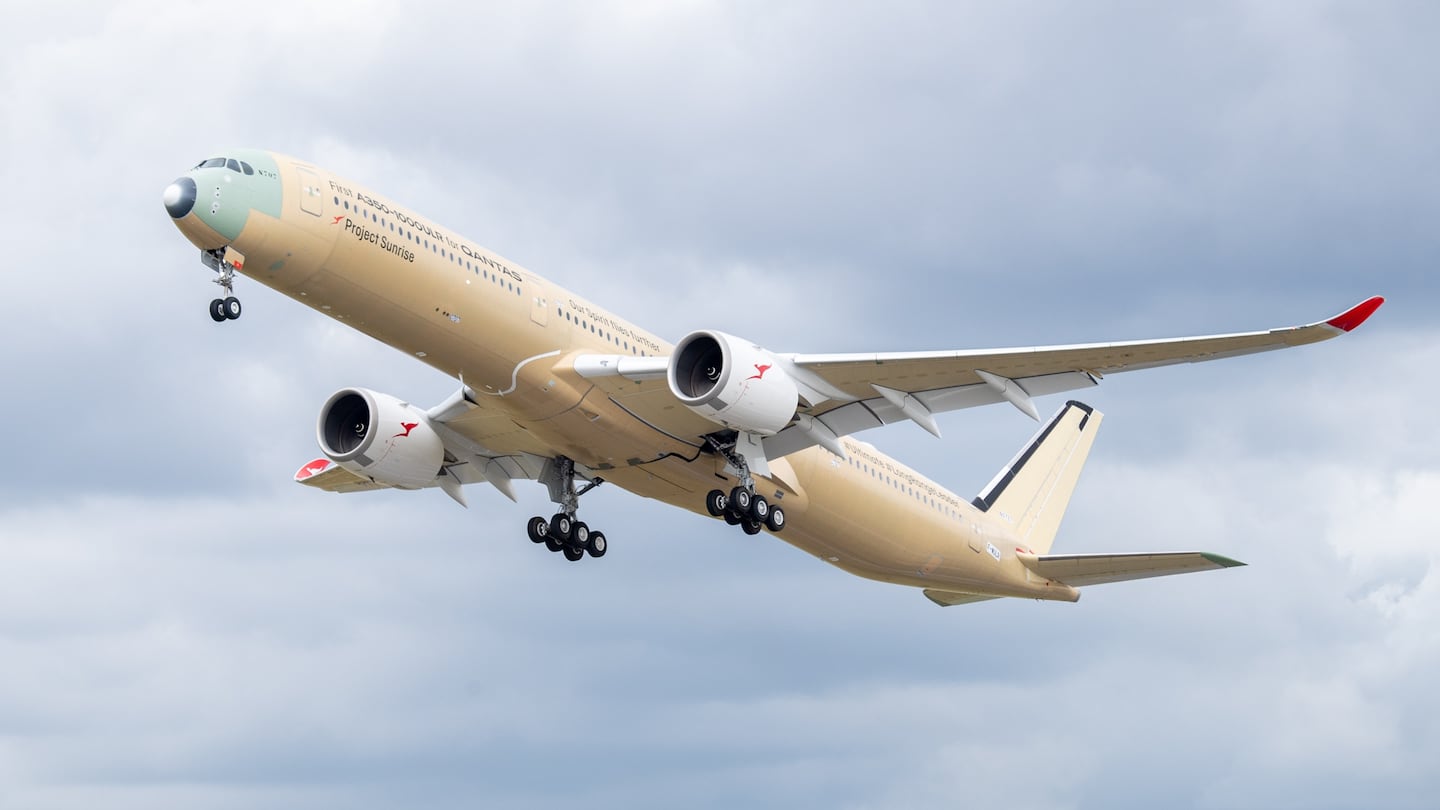
Airbus has initiated rigorous flight testing for the A350 Ultra Long Range (ULR), an aircraft variant engineered to achieve unprecedented endurance in commercial aviation. The manufacturer aims to enable direct flights of up to 22 hours, potentially connecting any two cities globally without the need for an intermediate refueling stop, according to technical specifications released by Airbus.
This development marks a significant shift in long-haul aviation economics. By removing the technical necessity for stopovers on routes such as London-to-Sydney or New York-to-Singapore, airlines can theoretically reduce ground time and operational complexity. The aircraft utilizes a modified fuel system to increase capacity within existing tank architecture, a design choice intended to avoid the weight penalties associated with adding external fuel structures, as noted in recent industry reporting on long-range fleet strategies.
Engineering for Extended Endurance
The A350 ULR achieves its extended range through a combination of aerodynamic refinement and increased fuel volume. Unlike previous long-range aircraft that required auxiliary fuel tanks that occupied cargo space, the ULR variant leverages the existing fuel system’s capacity, which has been optimized to carry an additional 24,000 liters of fuel. This modification allows the aircraft to operate for extended durations while maintaining the cabin efficiency of the standard A350-1000 platform, according to the European Union Aviation Safety Agency (EASA) certification documentation.
The propulsion systems are also critical to this endurance. The Rolls-Royce Trent XWB engines, which power the A350 family, have undergone specific tuning to ensure optimal fuel burn rates over 20-plus hour flight cycles. Efficiency in cruise flight is the primary driver of these duration capabilities, as the aircraft must manage fuel weight versus payload capacity throughout the entirety of the journey, according to data provided by Rolls-Royce regarding engine performance parameters.
Operational and Economic Implications
For global carriers, the introduction of 22-hour flight capabilities changes the competitive landscape for ultra-long-haul routes. Historically, these routes have been limited by the physical fatigue of crew and the fuel-to-weight ratio of commercial jets. The ULR variant addresses these constraints by offering a cabin environment designed for longer periods of passenger comfort, including enhanced air filtration and higher cabin pressure, which are intended to mitigate the physical effects of prolonged flight, as described in International Air Transport Association (IATA) operational guidelines for long-duration flights.
The economic viability of these flights depends heavily on passenger demand for premium seating. Because the aircraft carries less cargo to compensate for the additional fuel weight, airlines typically offset this by dedicating more floor space to Business and First Class cabins. This strategy has been observed in existing ultra-long-haul operations, where the yield per seat is prioritized over total passenger volume, according to market analysis from the CAPA – Centre for Aviation.
Regulatory and Safety Milestones
Before these aircraft enter commercial service, they must undergo comprehensive testing to meet international safety standards for extended twin-engine operations (ETOPS). These tests simulate worst-case scenarios, including engine-out procedures over remote oceanic regions where no airports are available for diversion. The certification process involves thousands of hours of flight testing to validate that all systems, including emergency power and cabin life support, can function reliably for durations exceeding 20 hours, as outlined by the Federal Aviation Administration (FAA) advisory circulars on ETOPS.
Current testing phases are focusing on the integration of these systems under extreme environmental conditions. Airbus has not yet set a final date for the entry-into-service, as the timeline remains subject to ongoing regulatory approvals and airline-specific configuration requirements. Observers should monitor the official Airbus press center for updates on certification progress and the first scheduled delivery to a commercial carrier.
We welcome your insights on the future of long-haul travel. Please share your thoughts in the comments section below.
Keep reading