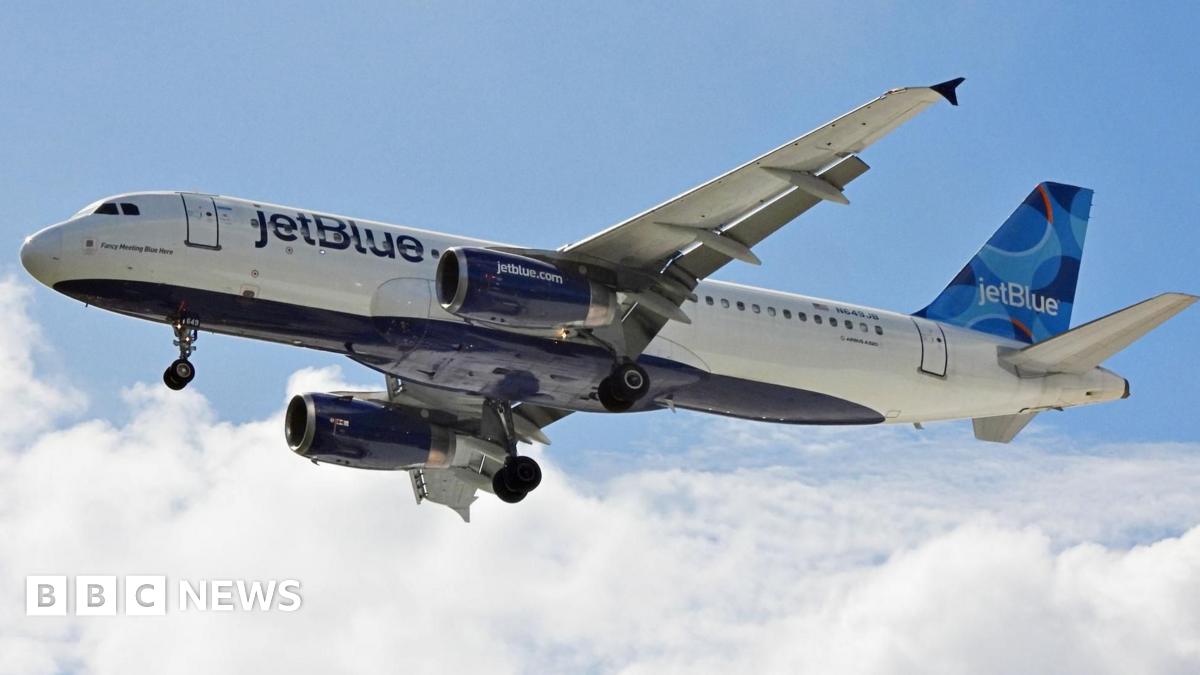
Airbus A320 Family: Understanding the Recent Solar Radiation Issue and What It means for Air Travel
The aviation world recently addressed a concerning issue affecting Airbus A320 family aircraft – a potential for data corruption caused by intense solar radiation. This incident,while rare,prompted swift action from Airbus and regulatory bodies to ensure continued flight safety. Let’s break down exactly what happened, which aircraft are affected, and what steps are being taken to resolve the problem.
How Was the Problem discovered?
The issue first came to light in October when a JetBlue flight traveling from Mexico to the United States experienced a sudden and unexpected descent in altitude. Fortunately, the crew responded effectively, making an emergency landing. Initial reports indicated that 15 to 20 passengers sustained minor injuries during the event.
Investigations quickly focused on the possibility of external factors impacting the aircraft’s systems.ultimately, experts persistent that intense solar radiation was the likely culprit, corrupting data within a critical flight control computer.
Which Aircraft Are Affected?
This isn’t limited to a single aircraft. Airbus estimates that approximately 6,000 planes worldwide are potentially affected. Specifically, the issue impacts the entire A320 family, encompassing the popular A319, A320, and A321 models. These are some of the most widely used narrow-body aircraft globally, making a proactive response crucial.
What’s the Root Cause: Solar Radiation and Data Corruption?
You might be wondering how solar radiation can interfere with an aircraft’s computer systems. Modern aircraft rely heavily on sophisticated electronics. Intense bursts of solar radiation, particularly during solar flares or coronal mass ejections, can generate energetic particles. These particles can disrupt the functioning of sensitive electronic components, leading to data corruption.
In this case, the corrupted data affected a computer assisting with flight control. While the aircraft is designed with redundancies,the incident highlighted a vulnerability that needed immediate attention.
What Solutions Are Being Implemented?
Airbus is addressing the issue through a two-pronged approach. The good news is that the majority of affected aircraft – around 5,100 – can be rectified with a relatively straightforward software update. This update enhances the system’s resilience to solar radiation and protects against future data corruption.
However, approximately 900 older A320 family aircraft require a more significant fix. These planes will need to have their affected computers physically replaced. Consequently, these aircraft will temporarily be taken out of service until the replacement and necessary checks are completed.
What Does This Mean for You, the Traveler?
While the situation is being actively managed, you may experience some disruptions. Airlines are working to minimize the impact on flight schedules, but temporary aircraft groundings could lead to delays or cancellations.
* Stay informed: Check with your airline for the latest updates on your flight status.
* Allow extra time: Factor in potential delays when traveling, especially if you have connecting flights.
* Be patient: Airlines are prioritizing safety and working diligently to resolve the issue.
Looking Ahead: Enhancing Aviation Safety
This incident serves as a valuable reminder of the complex interplay between technology and the habitat in modern aviation. It also underscores the importance of continuous monitoring, proactive maintenance, and robust system design. Airbus and regulatory agencies are likely to review and refine procedures to further mitigate the risk of similar events in the future.
Evergreen Insights: The Growing Impact of Space Weather on Technology
The Airbus incident isn’t an isolated case. Increasingly, we’re seeing the impact of “space weather” – disturbances in the space environment caused by solar activity – on various technologies.
* Satellite operations: Solar flares can disrupt satellite communications and even damage satellite electronics.
* Power grids: Geomagnetic storms induced by solar activity can overload power grids, leading to widespread blackouts.
* GPS accuracy: Space weather can interfere with GPS signals, affecting navigation systems.
As our reliance on technology grows, understanding and mitigating the risks posed by space weather will become increasingly critical. Investment in space weather forecasting and protective measures is essential to ensure the reliability of our modern infrastructure.
Frequently Asked Questions About the Airbus A320 Issue
**