Rising Tides of Smuggling: How Belarus is Exploiting Balloons and Drones to Circumvent Border Security
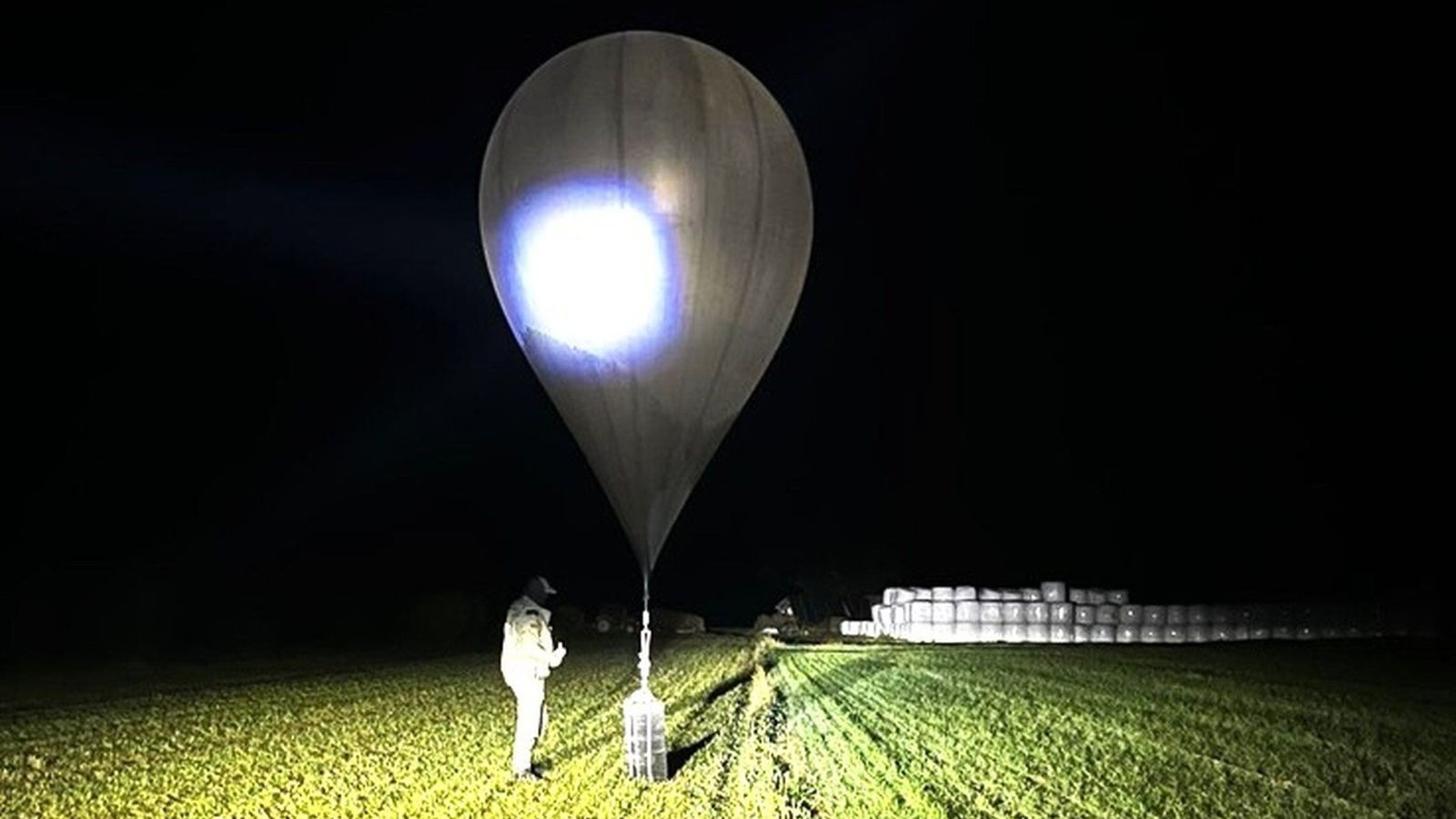
Smuggling operations are constantly evolving, and a recent surge in unconventional methods along the Lithuanian border highlights this dynamic. Authorities are witnessing a significant increase in the use of balloons and drones to transport contraband, primarily cigarettes, from Belarus. This shift isn’t isolated to Lithuania, with neighboring Poland and Latvia reporting similar interceptions.
A New Era of “Remote” Smuggling
Traditionally, smuggling relied on physical border crossings and established routes. However, several factors are now driving smugglers toward these “remote” methods. Let’s break down what’s happening and why.
* Increased Border Security: Construction of a physical barrier – including fencing and concertina wire – along the Belarusian border has made traditional routes far more challenging.
* Enhanced Surveillance: A extensive surveillance system, installed by the State Security Service, now covers the entire border with Belarus. This allows for quicker responses and a higher chance of intercepting smugglers.
* Price Discrepancies: A significant price difference in cigarettes between Lithuania and Belarus creates a lucrative incentive for illegal trade.
The Numbers Tell the Story
this year alone, Lithuanian authorities have seized 45 drones carrying illegal cigarettes from Belarus. Furthermore, they’ve intercepted numerous balloons used for the same purpose. Altogether, over 771,000 packs of cigarettes have been smuggled across the border using these innovative, yet illicit, methods.
You might be wondering how effective these methods are. While seemingly unconventional, balloons and drones offer a way to bypass physical barriers and, initially, evade detection. However, the increased surveillance is proving to be a significant deterrent.
beyond Lithuania: A Regional Trend
The problem isn’t confined to Lithuania’s borders. polish and Latvian border guards have also recently intercepted balloons carrying cigarettes launched from Belarus.This indicates a coordinated effort to exploit vulnerabilities across the region.
This regional trend underscores the need for collaborative border security measures. Sharing intelligence and coordinating responses are crucial to effectively combatting this evolving threat.
Lithuania as a Transit Hub
Lithuania’s strategic location makes it a key transit route for illegal tobacco products destined for other European Union nations. Smugglers are capitalizing on this, using the country as a stepping stone to reach larger markets.
Thus, strengthening border security in Lithuania not only protects its own economy but also contributes to the overall security of the EU.
What Does This Mean for You?
While you may not directly encounter these smuggling operations, understanding the tactics employed by criminals is significant. Increased smuggling can contribute to a range of issues, including:
* Loss of Tax Revenue: Illegally smuggled goods deprive governments of vital tax income.
* Funding of Criminal Networks: Profits from smuggling often fuel other criminal activities.
* public Health Concerns: The unregulated nature of smuggled goods can pose risks to public health.
Authorities are committed to adapting to these evolving threats and maintaining border security. Continued investment in technology, enhanced surveillance, and regional cooperation will be essential to staying ahead of smugglers and protecting the integrity of the border.