Aistė, a Lithuanian expatriate, has demonstrated that purchasing and renovating property in Tuscany, Italy, is an achievable goal for those without significant wealth, provided they approach the project with careful planning and personal labor. Her experience in the Italian countryside highlights the practical realities of managing a European home renovation while navigating local administrative and cultural landscapes.
The pursuit of such a project often begins with identifying properties in regions that remain accessible to non-millionaire buyers, such as the rural areas of Tuscany where historical stone buildings may require extensive restoration. According to reports from the Italian real estate sector, rural properties in parts of Italy, including Tuscany, often present lower entry costs than urban centers, though these savings are frequently balanced by the significant time and capital required for structural repairs and modernizing utility systems.
The Renovation Process in Tuscany
For individuals undertaking home renovations in Italy, the process is governed by local municipal building codes and national regulations. Renovations of historic structures often require permits from local authorities, known as the Comune, to ensure that the architectural integrity of the building is preserved. Aistė’s project involved a hands-on approach, where she managed much of the work herself to control costs and ensure the aesthetic outcome aligned with her personal vision for the space.
Managing a renovation from abroad or as an expatriate requires an understanding of the Italian geometra system. A geometra is a technical professional in Italy who acts as a surveyor, project manager, and liaison with local planning departments. Their involvement is typically mandatory for any significant structural work, as they must sign off on the safety and compliance of the project before any construction begins.
Financial Realities of Property Ownership
While the initial cost of a property might seem manageable, the long-term financial commitment includes property taxes—such as the IMU (Imposta Municipale Propria)—and ongoing maintenance costs for aging stone structures. Financial advisors specializing in Italian property suggest that buyers should maintain a contingency fund of at least 20% of the total renovation budget to cover unforeseen structural issues, which are common in buildings that have stood for several decades or longer.
Aistė’s narrative emphasizes that the “dream” of living in Italy is accessible through diligent research and the willingness to perform manual labor. However, this lifestyle change involves more than just the purchase price. It includes integrating into a local community, learning the Italian language, and adapting to a pace of life that differs significantly from urban, professional environments in Northern or Central Europe.
Navigating Legal and Technical Hurdles
Prospective buyers looking to follow a similar path should verify the legal status of any property before signing a compromesso, or preliminary contract. This document binds the buyer and seller to the sale and usually requires a deposit, known as the caparra. It is standard practice in Italy to engage a notaio (notary), who is a public official responsible for ensuring the legality of the transaction, verifying the title, and checking for any outstanding liens on the property.
The transition to life in rural Italy is a long-term commitment. As of recent updates to Italian property law, tax incentives for energy-efficient renovations, such as the Ecobonus, have been subject to legislative changes, making it essential for owners to consult with tax professionals to understand current eligibility for rebates on insulation, heating, and other structural improvements.
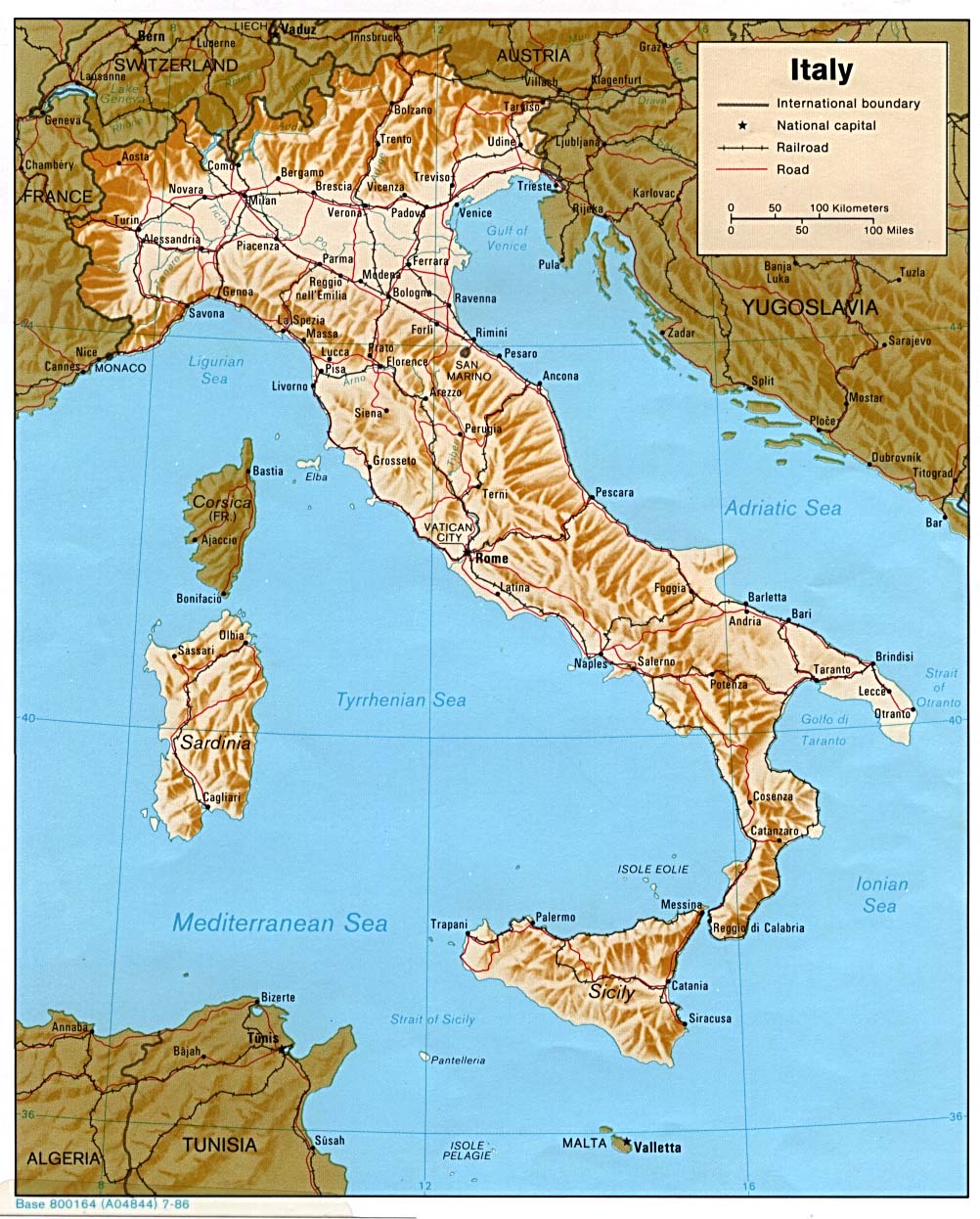
For those interested in the current status of rural property markets in Italy, the Italian Revenue Agency (Agenzia delle Entrate) provides public data and guidelines regarding real estate transactions and tax obligations for foreign nationals. Engaging with local community boards and municipal offices remains the most reliable way to stay informed about regional development plans and property zoning updates.
Readers who have experience with property renovation abroad or are considering a move to Italy are encouraged to share their questions or insights in the comments section below. As the regulatory environment for home ownership in the European Union continues to evolve, staying updated through official municipal channels is the best method to ensure a smooth transition to life in the Tuscan countryside.
Related reading