
AJ Networks, a South Korean firm specializing in business equipment rentals and logistics, is undergoing a strategic transformation as it pivots toward high-growth sectors. The company’s recent efforts to integrate advanced robotics into its service portfolio signal a shift in its business model, moving beyond traditional equipment leasing to embrace automated industrial solutions. This transition is being closely watched by market analysts as the company seeks to improve its overall financial performance and operational efficiency.
The core of this growth strategy lies in the company’s expansion of its robotics rental business. By leveraging partnerships with established robotics manufacturers, AJ Networks is positioning itself as a key intermediary in the growing domestic market for automated industrial machinery. This approach allows the company to capitalize on the increasing demand for robotic process automation in sectors ranging from manufacturing to logistics, effectively diversifying its revenue streams while maintaining its core competencies in asset management and rental services.
Strategic Partnerships in the Robotics Sector
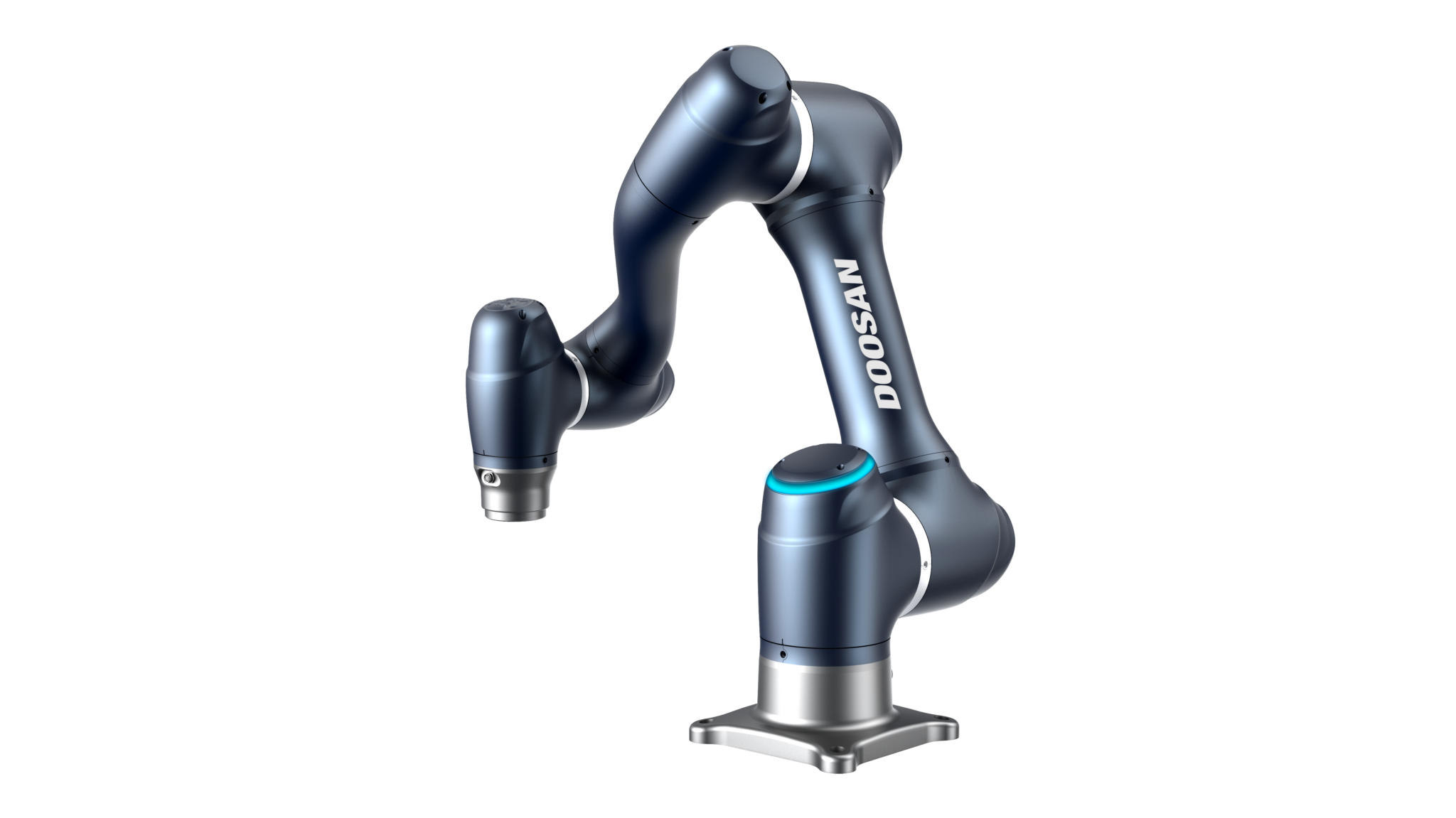
A significant development in the company’s recent operational roadmap is its move to formalize relationships with leading robotics developers. By securing a dealership agreement with Doosan Robotics, AJ Networks has expanded its capability to distribute and manage a wider range of collaborative robots (cobots). This initiative follows a previous, ongoing collaboration with Rainbow Robotics, which established a foundation for the company’s current rental-focused business model. These alliances are critical, as they allow AJ Networks to offer specialized equipment that requires technical expertise and maintenance—services that align well with the company’s existing infrastructure.
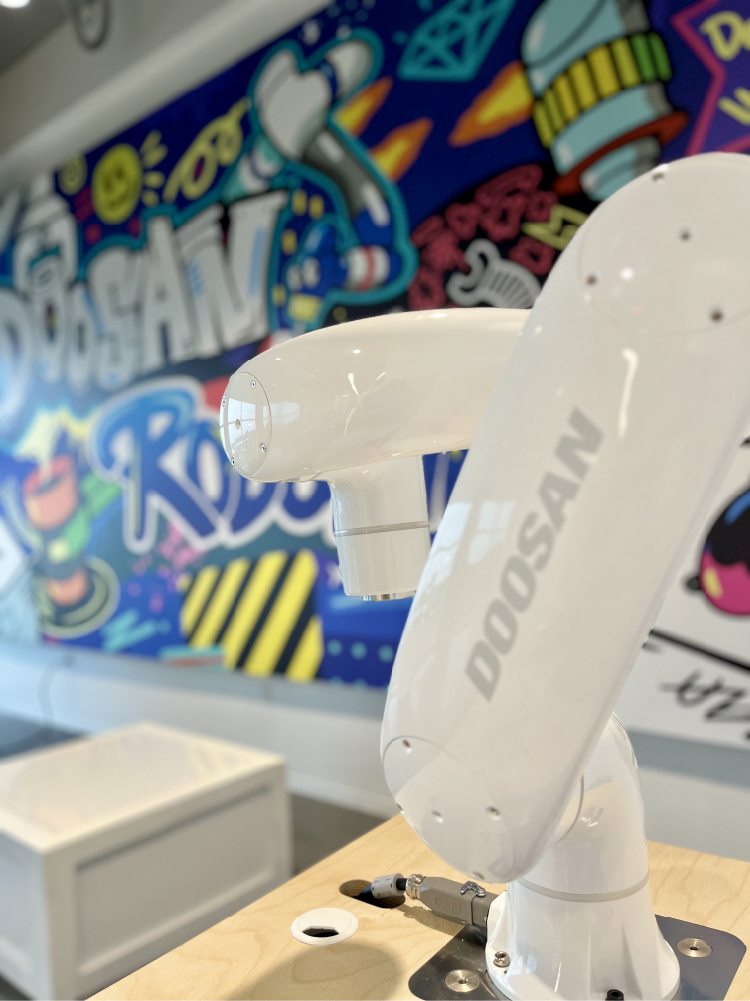
According to public disclosures, the integration of these robotic systems into a rental model lowers the barrier to entry for small and medium-sized enterprises (SMEs) that wish to adopt automation but may be deterred by the high upfront capital expenditure required for purchasing industrial robots. By providing flexible leasing options, AJ Networks is effectively lowering the cost-of-entry for businesses looking to modernize their operations. This service-oriented approach is designed to create a recurring revenue stream, which is a departure from the one-time sales cycles typically associated with industrial robotics hardware.
Logistics and Equipment Rental Performance
The company’s focus on logistics remains a cornerstone of its broader financial strategy. By optimizing its fleet management and warehouse operations, AJ Networks has sought to improve its operational margins. The integration of robotics into its logistics operations is intended to streamline internal processes, reduce labor costs, and improve the accuracy of inventory management. Market observers have noted that these operational improvements are essential for the company to achieve a sustained financial turnaround, particularly as the broader logistics sector in South Korea continues to face challenges related to rising labor costs and supply chain complexities.
For investors and stakeholders, the recent performance metrics reflect a tightening of operational focus. Financial data released by the company indicates a concerted effort to divest from non-core assets while reinvesting in high-margin rental services. The company’s commitment to transparency in these initiatives is reflected in its regular filings with the Financial Supervisory Service (FSS), which provides the official record of the firm’s financial health and strategic pivots. These regulatory filings remain the primary source for verifying the company’s fiscal progress and long-term debt management strategies.
Market Outlook and Future Growth Trajectory
The pivot toward robotics and logistics automation is viewed by industry analysts as a proactive response to the shifting landscape of the South Korean industrial sector. As the government continues to emphasize the importance of domestic high-tech manufacturing and the “smart factory” initiative, companies that provide the necessary infrastructure—such as rental machinery and automated logistics solutions—are increasingly well-positioned to benefit from these national priorities. The Ministry of Trade, Industry and Energy (MOTIE) has frequently highlighted the importance of robot adoption in maintaining the global competitiveness of the Korean manufacturing base, as outlined in their official policy briefings regarding industrial innovation.
While the transition to a robotics-heavy portfolio presents opportunities, it also entails risks related to the rapid pace of technological change and the need for continuous investment in technical talent. AJ Networks’ ability to maintain its competitive edge will depend on its capacity to provide not just the hardware, but also the software integration and maintenance support that clients require. The company’s expansion into these areas suggests a long-term commitment to becoming a comprehensive provider of industrial technology solutions rather than a traditional equipment lessor.
Key Operational Developments
- Robotics Expansion: Establishing formal dealership agreements with major manufacturers like Doosan Robotics to broaden the available product range.
- Rental Model Innovation: Scaling the robotics rental business to reduce capital barriers for SMEs, thereby creating stable, recurring revenue streams.
- Logistics Optimization: Implementing automated solutions to improve internal warehouse efficiency and reduce overall operational expenditure.
- Strategic Alignment: Synchronizing business activities with national industrial trends, specifically the push toward factory automation and smart logistics.
As AJ Networks continues to execute its growth strategy, the market will likely focus on the company’s upcoming quarterly financial reports to gauge the effectiveness of these robotics and logistics initiatives. Stakeholders are encouraged to monitor the company’s official investor relations portal for timely updates regarding contract milestones, new partnership announcements, and audited financial statements. The next scheduled release of financial results will provide the clearest indicator of whether these strategic shifts are yielding the anticipated improvements in profitability and market share.

We invite our readers to share their insights on the growing trend of industrial robotics in the logistics sector. How do you see the rental model impacting the adoption of automation among smaller businesses? Join the conversation in the comments section below.
- Spider-Man: Brand New Day Suffers Major Leak on X as Full Movie Spreads Online
- Angine de Poitrine Confirmed to Perform at Osheaga Festival This Saturday
- Cranswick Automates Packaging Line with Rockwell Automation Robotics (archyde.com)
- South Korea Expands Diplomatic and Economic Horizons Through Argentina Summit (world-today-news.com)