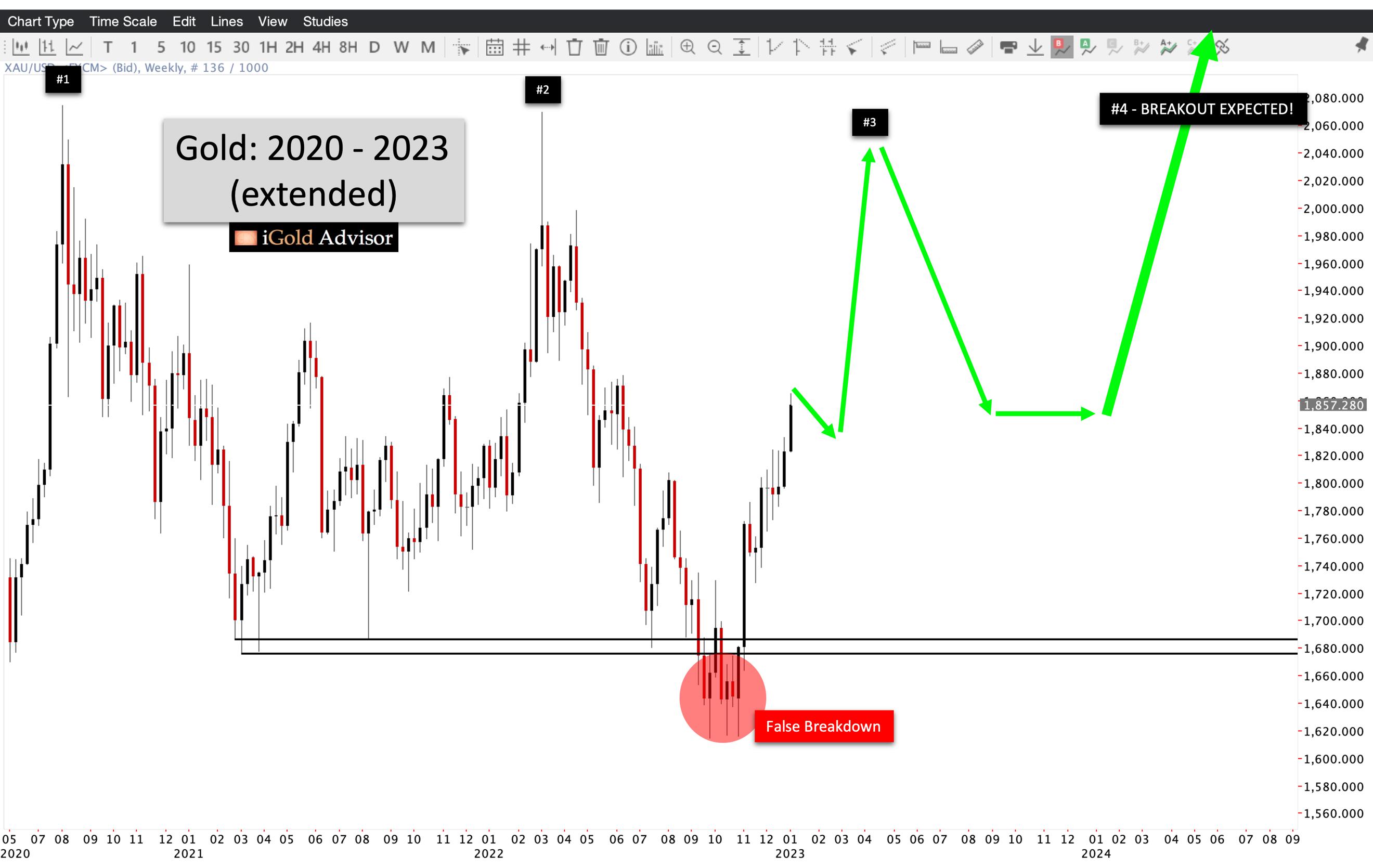
Public interest in predictive commentary regarding global economic shifts and seismic activity has resurfaced following recent remarks by Thai media personality and cultural commentator “Ajarn Ole.” While such predictions often circulate within social media discourse, market analysts and geological experts emphasize that these forecasts remain independent of scientific data or established financial market indicators. The discussion highlights a growing trend of audiences seeking guidance on volatile assets like gold and environmental stability through non-traditional channels.
The recent discourse, widely circulated across local digital platforms, centers on the intersection of speculative financial advice and natural disaster awareness. According to historical market data from the World Gold Council, gold prices are primarily influenced by central bank policies, geopolitical tensions, and inflationary pressures rather than anecdotal predictions. Investors are frequently reminded by regulatory bodies, such as the Securities and Exchange Commission (SEC) of Thailand, to rely on verifiable economic reports rather than social media commentary when making capital allocation decisions.
Market Volatility and Gold Price Trends
Gold has long been viewed as a “safe-haven” asset, particularly during periods of uncertainty. Market participants monitor the London Bullion Market Association (LBMA) for daily price benchmarks, which provide the global standard for the commodity. Recent fluctuations in gold valuation have been attributed to movements in United States Treasury yields and the strength of the U.S. dollar, as noted in recent Reuters market analysis. Unlike speculative forecasts, these drivers are tracked in real-time by institutional investors.

Observers of the current market climate note that while gold remains a critical hedge, it is subject to short-term volatility. The International Monetary Fund (IMF) periodically publishes reports on global commodity outlooks, which serve as the primary source for understanding long-term price trajectories. Readers are encouraged to consult these official publications to understand the complex variables—such as supply chain constraints and interest rate shifts—that actually dictate market movement.
Geological Reality vs. Speculative Warnings
The mention of seismic activity in public commentary often leads to confusion regarding disaster preparedness. In Thailand, the Thai Meteorological Department (TMD) is the sole official agency responsible for monitoring earthquake activity and issuing public safety alerts. Scientific consensus dictates that earthquakes cannot be predicted with precision in terms of timing, location, or magnitude, a position maintained by the United States Geological Survey (USGS).
Public safety relies on established infrastructure and preparedness protocols rather than predictive warnings. The United Nations Office for Disaster Risk Reduction (UNDRR) emphasizes that effective risk management is built on building codes, public education, and robust early-warning systems. Citizens residing in seismically active regions are advised to follow guidelines provided by local civil defense authorities, which include creating emergency supply kits and developing family evacuation plans, as detailed in national disaster management frameworks.
Assessing Information Sources
The proliferation of “shock” warnings on social media platforms creates a challenge for information literacy. Media analysts generally advise that users cross-reference any claims regarding public safety or financial health with official government portals. For financial matters, verify information through your brokerage or national financial regulator; for environmental concerns, rely exclusively on the meteorological agency of the relevant country.

The disconnect between viral social media narratives and evidence-based reporting underscores the necessity of critical thinking. When information is presented as a “startling” or “shocking” prediction, it often lacks the empirical data required for verification. By prioritizing institutional sources, individuals can better navigate periods of economic and environmental uncertainty without the anxiety generated by unsubstantiated warnings.
The next official update regarding gold market performance will be available through the daily fixing provided by the LBMA, while regional seismic data remains updated in real-time on the TMD website. Readers are encouraged to monitor these official channels for the most accurate and actionable information. Feel free to share your thoughts or questions in the comments section below to contribute to the ongoing discussion on evidence-based decision-making.
Worth a look