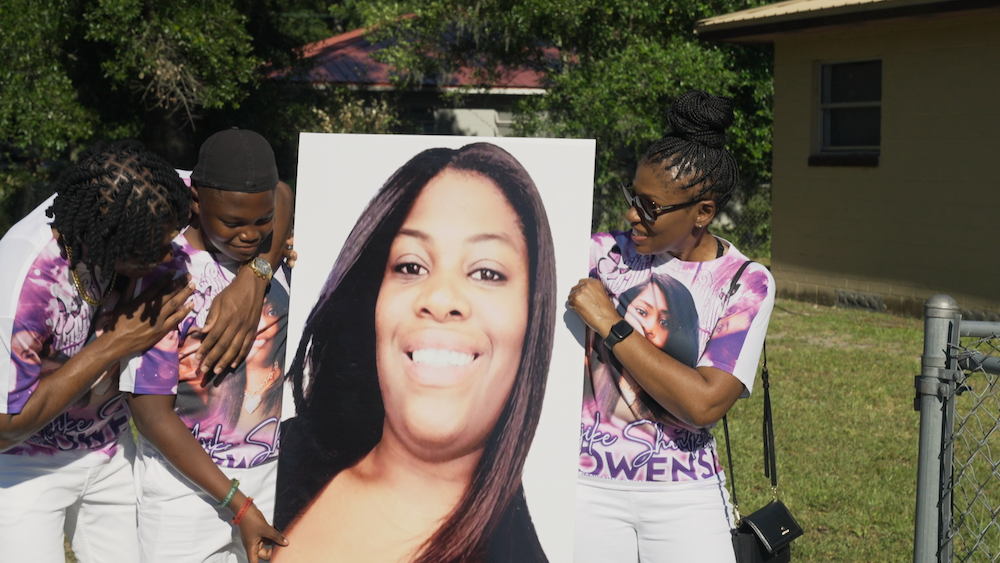
The documentary The Perfect Neighbor, now streaming on Netflix, is a harrowing examination of the fatal shooting of Ajike Owens, a Black mother in Ocala, Florida, by her white neighbor, Susan Lorincz, in June 2023. More than a recounting of a tragic event, the film, directed by Geeta Gandbhir, delves into the systemic biases embedded within Florida’s “Stand Your Ground” laws and the broader context of gun violence and racial injustice in the United States. The film’s power lies in its stark presentation of evidence – police bodycam footage, dashcam recordings, and security camera footage – allowing viewers to draw their own conclusions about the events leading up to and following Owens’ death.
Gandbhir’s personal connection to the case, as Owens was a close friend of her sister-in-law, fueled her commitment to telling this story. “This film came to me through my family,” Gandbhir explained in an interview with SLUG Magazine. “They were very close. And so when Ajike was murdered, we were immediately involved.” This deeply personal stake underscores the film’s urgency and its dedication to accountability and healing. The film premiered at the 2025 Sundance Film Festival, where it won the Directing Award, and has since received an Academy Award nomination for Best Documentary Feature, further amplifying its reach and impact.
The events leading to the shooting unfolded over a period of escalating tension. Owens, a mother of four, had repeatedly confronted Lorincz regarding harassment directed towards her children while they played outside. According to reports, Lorincz had been verbally abusing the children with racial slurs. On June 2, 2023, Owens went to Lorincz’s home to discuss the ongoing issue, and a physical altercation ensued. Lorincz then shot Owens, claiming self-defense under Florida’s “Stand Your Ground” law. The initial response from law enforcement, as depicted in the film, drew criticism for its perceived lack of immediate action against Lorincz, raising questions about the application of the law in this case.
The “Stand Your Ground” Law and its Disparate Impact
Florida’s “Stand Your Ground” law, enacted in 2005, removes the duty to retreat before using deadly force in self-defense. Florida Statute 776.012 outlines the specifics of the law, granting immunity from criminal prosecution and civil action if a person reasonably believes their life is in danger. However, critics argue that the law has been disproportionately applied, leading to unjust outcomes in cases involving people of color. The film The Perfect Neighbor directly interrogates this systemic bias, presenting evidence that suggests Owens was initially viewed with suspicion while Lorincz’s claim of self-defense was readily accepted.
The case sparked outrage and renewed calls for reform of the law. Advocates point to studies indicating that defendants who invoke “Stand Your Ground” are more likely to be acquitted if the victim is Black. While the law is intended to protect individuals from harm, concerns remain that it can embolden individuals to use deadly force without justification and perpetuate racial disparities in the criminal justice system. Lorincz was eventually convicted of manslaughter in November 2023, but the initial handling of the case and the application of the “Stand Your Ground” law remain points of contention.
A Filmmaker’s Pursuit of Justice and Remembrance
Geeta Gandbhir’s approach to The Perfect Neighbor was deliberate and impactful. She and her husband, Nikon Kwantu, the film’s producer, immediately became involved after learning of Owens’ death, working to maintain the story in the public eye and support the family. The decision to rely heavily on existing footage – police bodycam, dashcam, and security camera recordings – was a conscious one, intended to present an unvarnished account of the events. “We wanted to let the footage speak for itself,” Gandbhir explained. “We didn’t wish to soften things or impose our own narrative.”
This approach, while risky, proved effective in conveying the raw emotion and disturbing reality of the situation. The film avoids traditional documentary narration, allowing viewers to process the evidence and form their own opinions. Producer Alisa Payne highlighted the importance of Owens’ mother, Pamela Dias, in the creation of the film. Dias, seeing parallels to the case of Emmett Till and his mother Mamie Till-Mobley, gave her blessing to the project and actively participated in ensuring her daughter’s story was told with accuracy and respect. Dias views the film as a way to honor her daughter’s memory and demand justice for her death.
The Film’s Impact and Ongoing Conversations
The Perfect Neighbor has ignited important conversations about race, justice, and gun violence. The film’s release on Netflix has broadened its reach, exposing a wider audience to the details of Owens’ case and the systemic issues it represents. The film’s unflinching portrayal of the events has prompted renewed calls for reform of “Stand Your Ground” laws and a reevaluation of how law enforcement responds to incidents involving racial bias.
Gandbhir hopes the film will serve as a catalyst for change, inspiring viewers to take action and advocate for policies that protect Black lives. She emphasizes the require to reform gun laws, repeal “Stand Your Ground” laws, and dismantle systems that perpetuate racial inequality. The film’s ultimate goal is not only to honor Ajike Owens’ memory but similarly to prevent similar tragedies from happening in the future. The film serves as a powerful testament to the importance of accountability and the enduring fight for racial justice.
Key Takeaways
- Systemic Bias: The Perfect Neighbor exposes potential biases in the application of Florida’s “Stand Your Ground” law, raising questions about its disproportionate impact on communities of color.
- Personal Connection: Director Geeta Gandbhir’s personal relationship to the victim, Ajike Owens, fueled her commitment to telling the story with authenticity and urgency.
- Raw Footage: The film’s reliance on police bodycam, dashcam, and security footage provides an unvarnished and impactful account of the events.
- Call to Action: The film serves as a call to action to reform gun laws, repeal “Stand Your Ground” laws, and resist systems that devalue Black lives.
As of March 10, 2026, the legal proceedings related to Susan Lorincz’s conviction are ongoing, with potential appeals expected. The case continues to be a focal point in discussions about racial justice and gun control in Florida and across the nation. The Perfect Neighbor is available for streaming on Netflix, offering viewers a deeply unsettling and important look at a tragedy that demands attention and action. We encourage readers to share this article and engage in constructive dialogue about the issues raised by this powerful documentary.
Worth a look