
South Korean manufacturer Ajin Electron is expanding its global footprint by scaling the production of specialized conductive materials, including conductive black polyurethane foam and advanced textile technologies. These materials, designed to address electromagnetic interference (EMI) and provide static protection, are currently seeing increased adoption in the automotive and aerospace sectors, according to company reports regarding their recent export growth.
The company’s shift toward high-performance materials reflects a broader trend in the South Korean electronics manufacturing sector, where firms are increasingly prioritizing the localization of core components to reduce supply chain dependencies. By focusing on conductive polymer technology, Ajin Electron has positioned its products for use in complex environments, such as drone navigation systems and automotive electronic control units (ECUs), where signal integrity is critical for operational safety.
Advancing Conductive Polymer Technology
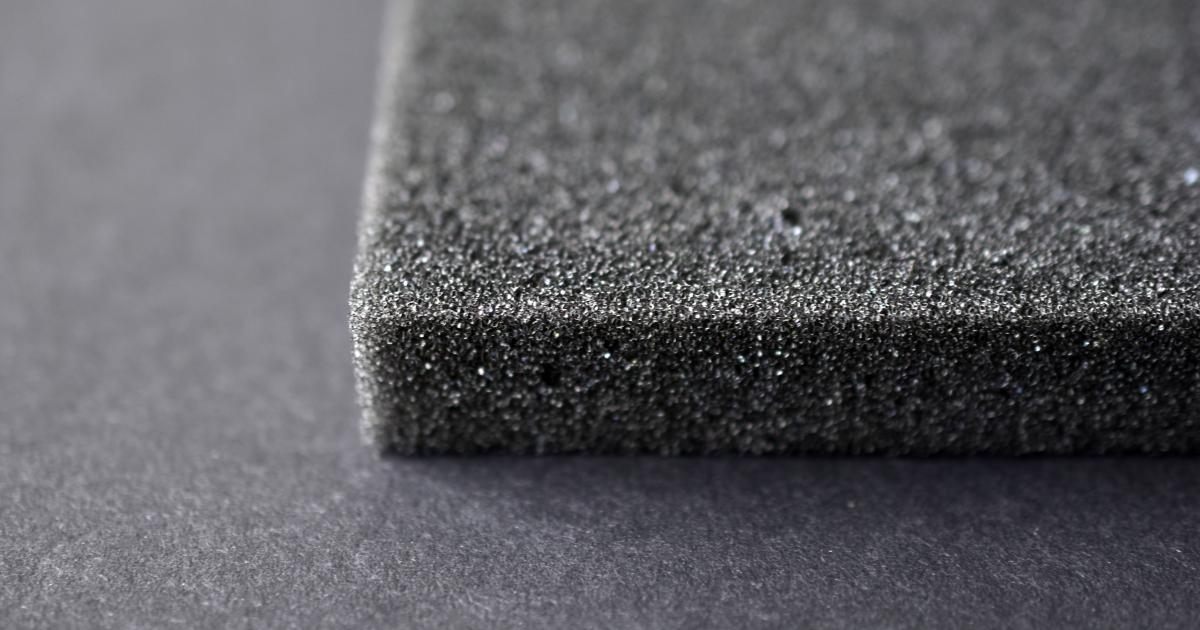
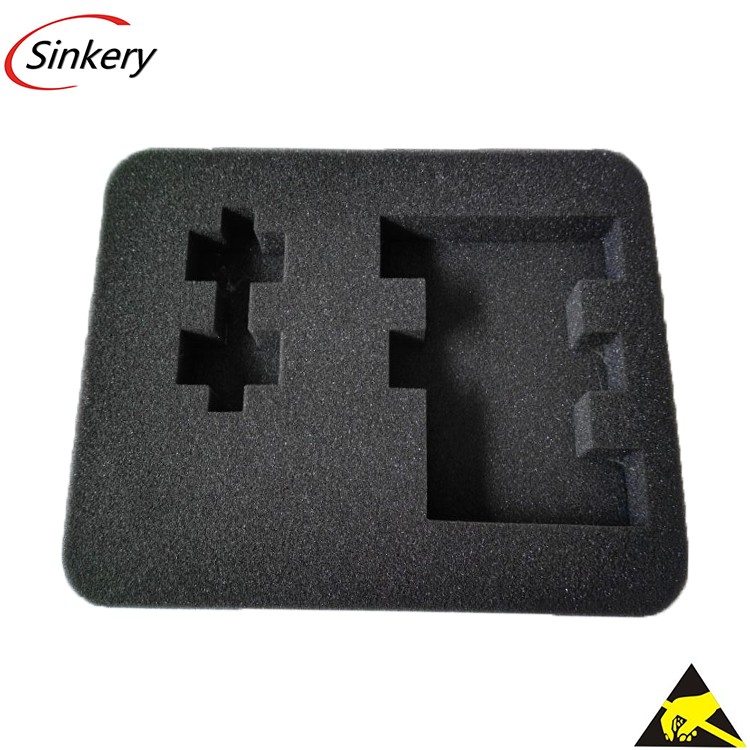
At the core of the company’s recent industrial expansion is the development of conductive black polyurethane foam. Unlike standard insulation materials, this foam is engineered to provide both structural cushioning and electrical conductivity. This dual-functionality allows manufacturers to integrate EMI shielding directly into the housings of sensitive electronic devices, reducing the need for additional shielding components. According to industry specifications, these materials are tested for performance under varying thermal and mechanical stresses to ensure they meet the rigorous standards required by the automotive industry.
The integration of these materials into drone technology represents a specific application of their conductive fiber research. As drones become more reliant on high-frequency communication systems, the demand for lightweight, durable shielding has grown. Conductive fibers allow for the creation of flexible electromagnetic gaskets and shielding fabrics that do not add significant weight to the aircraft, an essential factor in maintaining flight efficiency and battery life. For further information on the technical standards for electromagnetic compatibility, the International Organization for Standardization (ISO) provides detailed guidelines on the testing of shielding effectiveness in electronic components.
Global Market Integration and Export Strategy
Ajin Electron’s strategy involves targeting international markets that require high-reliability electronic components. The push into global supply chains is facilitated by the increasing complexity of electric vehicles (EVs) and autonomous driving systems, both of which require robust protection against electromagnetic interference to prevent system malfunctions. By aligning its production capabilities with international quality management standards, the company has managed to secure contracts with overseas firms looking to diversify their component sourcing.
This expansion is supported by South Korea’s ongoing industrial policy, which emphasizes the “localization” of high-tech materials and components—often referred to as so-bu-jang (materials, parts, and equipment). This policy aims to bolster the country’s manufacturing resilience by encouraging domestic firms to achieve technological self-sufficiency in critical areas. Detailed data regarding the South Korean government’s support for these industrial sectors can be found through the Ministry of Trade, Industry and Energy (MOTIE), which oversees national initiatives for technological advancement and export promotion.
Technical Challenges in Conductive Material Development
Manufacturing conductive polyurethane foam requires precise control over the dispersion of conductive fillers, such as carbon black or metallic particles, within the polymer matrix. If the distribution is inconsistent, the material may fail to provide uniform conductivity, leading to “hot spots” or areas of poor shielding. Industry experts note that maintaining consistent performance across mass-produced batches is the primary barrier to entry in the global market for conductive materials.
To overcome these challenges, companies like Ajin Electron utilize advanced chemical engineering processes to ensure that the conductive network remains stable even when the foam is compressed. This durability is essential for automotive applications, where components are subject to constant vibration and temperature fluctuations. The ability to produce these materials at scale has allowed the firm to compete with established global suppliers, marking a significant step in the evolution of South Korea’s high-tech manufacturing sector.
Future Developments
As the demand for more sophisticated electronics continues to rise, the focus for firms in this sector will likely shift toward even thinner and more flexible conductive materials. Ongoing research into nanotechnology and graphene-based composites may further expand the capabilities of conductive fibers, potentially leading to new applications in wearable electronics and advanced medical devices.

Investors and industry stakeholders can monitor the company’s progress through upcoming annual reports and corporate filings, which will provide further clarity on export volume growth and R&D investment. As of the latest industry updates, the company continues to focus on enhancing its production capacity to meet the requirements of its international automotive partners. Please share your thoughts on the impact of material localization on global supply chains in the comments section below.