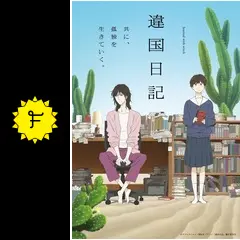
The landscape of modern animation often gravitates toward high-octane action or elaborate fantasy, but occasionally, a series emerges that finds its strength in the quiet, reflective moments of human connection. One such title that has captured the attention of audiences and critics alike is the screen adaptation of Ikoku Nikki (Different Country Diary). The story, which explores the complex and often delicate relationship between an aunt and her niece following a family tragedy, has resonated deeply with viewers who appreciate nuanced character studies and thoughtful storytelling.
For those exploring the Ikoku Nikki anime reviews and audience evaluations, the consensus frequently centers on the show’s unique atmosphere. The series is lauded for its deliberate pacing and its commitment to portraying the internal lives of its protagonists, Makio and Asa. Unlike more conventional dramas, the narrative focuses on the subtle shifts in their domestic life and the profound, often unspoken, communication that defines their evolving bond. It is this commitment to emotional authenticity that has solidified the series as a notable entry in the slice-of-life genre.
A Deep Dive into the Narrative Structure
At the heart of the series is the dynamic between Makio, a novelist, and her niece, Asa. Following the sudden death of Asa’s parents in an accident, Makio—who was never particularly close to her sister—finds herself becoming the guardian of the young girl. The beauty of the adaptation lies in how it handles this transition. Rather than leaning on melodramatic tropes, the show opts for a grounded, realistic depiction of grief, adjustment, and the slow process of building a home with someone who is essentially a stranger.
Reviewers have frequently pointed to the dialogue as a standout feature. Makio’s way of speaking—often precise, slightly detached, and reflecting her life as a writer—provides a fascinating contrast to the more emotive and reactive nature of Asa. This linguistic contrast serves as a narrative device, illustrating the distance between the two characters and the gradual bridge they build through words and shared experiences. For fans of literary-inspired storytelling, the show’s attention to detail in character voice is a significant draw, often cited as a reason for its high audience engagement.
Understanding the Appeal: Why Tone Matters
The term “atmosphere” appears frequently in discussions surrounding the series. In the context of Ikoku Nikki, this refers to the visual and auditory choices that mirror the characters’ emotional states. The animation style complements the introspective nature of the plot, utilizing muted color palettes and careful framing to emphasize the intimacy of the characters’ shared space. This aesthetic choice ensures that the viewer remains focused on the emotional stakes, preventing the narrative from feeling overcrowded or overly stylized.

Many viewers have noted that the show’s appeal lies in its “slow-burn” approach. In an era where digital content is often consumed in rapid, bite-sized formats, Ikoku Nikki demands patience. It asks the audience to sit with the characters in their moments of silence and to find meaning in the mundane tasks of daily life. This is not a series designed for those seeking quick resolutions; rather, it is for those who find satisfaction in the slow, often non-linear process of personal growth and the formation of unconventional family structures.
Cultural Impact and Genre Significance
The success of this adaptation highlights a broader trend in animation toward mature, character-driven narratives. By focusing on the complexities of adult-child relationships and the weight of familial legacy, the series contributes to a diverse media landscape that values emotional intelligence. It serves as a reminder that the medium of animation is not restricted by genre or age; it is a canvas capable of exploring the deepest parts of the human experience.

As the series continues to find its audience, the focus remains on how it handles the source material’s themes of isolation and acceptance. The creators have managed to translate the internal monologues of the original work into a visual language that feels both accessible and profound. For those interested in the craft of adaptation, Ikoku Nikki stands as a compelling case study on how to preserve the spirit of a written work while utilizing the unique strengths of the screen to enhance the viewer’s understanding of the characters.
Key Themes in Ikoku Nikki
- The Nature of Grief: Exploring how different generations process loss and the impact of sudden life changes.
- Intergenerational Connection: The challenge of bridging the gap between an adult and a child who have limited prior relationship history.
- The Writer’s Perspective: How Makio’s profession informs her worldview and her interaction with those around her.
- Domestic Realism: The significance of daily routines, home environment, and the small gestures that build trust.
Looking Ahead: The Legacy of the Series
As discussions around the series evolve, the focus shifts toward its long-term reception. Will it be remembered as a definitive entry in the slice-of-life genre? If early audience reactions are any indication, the answer is a resounding yes. The series has tapped into a desire for stories that prioritize humanity over spectacle, and in doing so, it has created a loyal following that values the quiet power of its narrative.
For those who have yet to experience it, the series offers a thoughtful look at what it means to be a family, not by blood, but by choice and circumstance. It invites viewers to reflect on their own relationships and the words they choose to bridge the distances between them. Whether you are a long-time fan of the genre or a newcomer looking for something with emotional depth, the story of Makio and Asa offers a rewarding experience that lingers long after the final scene.
We encourage our readers to share their own thoughts on the series in the comments section below. What moments resonated most with you, and how do you feel the adaptation handled the original themes? Stay tuned to World Today Journal for further updates on upcoming animation projects and deep dives into the latest in global entertainment.