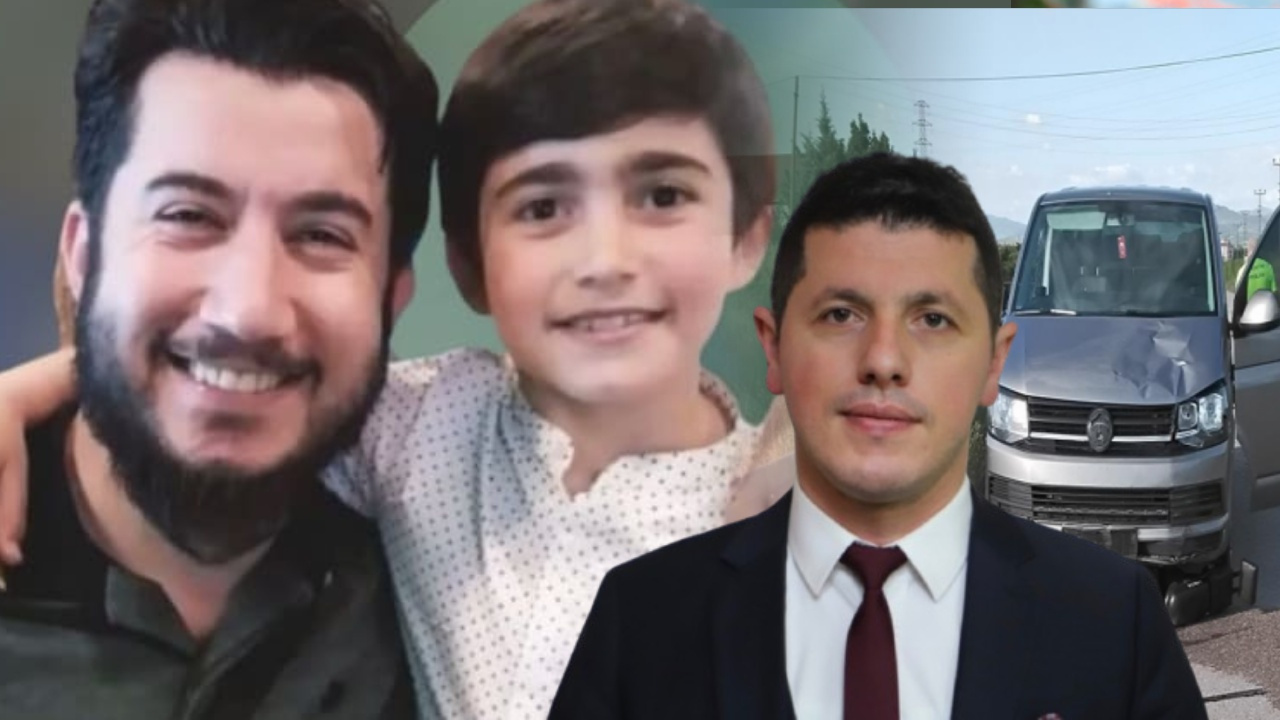
Authorities in Ankara have formally denied allegations of political interference following a fatal traffic accident involving an 11-year-old child, Alper Yusuf Polat. The incident, which occurred in the capital, triggered widespread public discourse after the victim’s father reported that his social media account was restricted following his attempts to raise awareness about the case. Both the Ankara Police Department and relevant government ministries have issued statements addressing the procedural handling of the investigation and the status of the suspect.
Investigation Status and Suspect Detention
The investigation into the death of 11-year-old Alper Yusuf Polat remains active under the supervision of the Ankara Chief Public Prosecutor’s Office. According to official statements released by law enforcement, the driver involved in the collision was apprehended shortly after the event and subsequently arrested by the presiding court. The suspect, identified in local media reports as a municipal council member, remains in custody pending the completion of the judicial process. Authorities have emphasized that the legal proceedings are being conducted in accordance with standard criminal procedure, rejecting claims that the suspect’s political affiliation influenced the pace or nature of the investigation.
The denial of “political interference” comes as a response to public speculation regarding the impartiality of the probe. Official sources maintain that all evidence, including traffic camera footage and witness testimonies, has been collected and processed according to the Turkish Penal Code. The Ankara Police Department stated that no preferential treatment was granted to the suspect at any stage of the detention or interrogation process.
Addressing Social Media Restrictions
Central to the public outcry was the claim by the victim’s father that his ability to communicate the details of the tragedy on social media platforms was obstructed. Reports surfaced alleging that his account was restricted or suspended during his efforts to demand transparency. In response to these claims, the relevant authorities clarified that they had not issued any requests for platform-wide censorship or account blocks related to the family’s posts.

Social media platforms operating in Turkey are governed by Law No. 5651, known as the Regulation of Publications on the Internet and Suppression of Crimes Committed by Means of Such Publications. Under this legal framework, content removal or account restrictions are typically handled through specific court orders or via the platforms’ internal community standards and automated moderation systems. There has been no verified evidence linking the father’s account issues to a direct directive from the investigating authorities or the Ministry of Interior.
Legal Procedures and Public Transparency
The case has sparked broader questions regarding the intersection of political status and legal accountability in Turkey. Legal analysts note that the public’s heightened sensitivity is a response to the perceived power dynamics involving local government officials. To maintain public trust, the judiciary has committed to keeping the investigation files open to the legal representatives of the Polat family, ensuring that the judicial process remains transparent.
For families impacted by similar incidents, the Ministry of Justice provides resources for tracking case progress through the National Judiciary Informatics System (UYAP). This system allows citizens to monitor the status of investigations and court filings, provided they have the necessary case identification numbers. The Ankara Chief Public Prosecutor’s Office has advised that all official updates regarding the trial will be communicated through established judicial channels to prevent the spread of misinformation.
Next Steps in the Judicial Process
The next major checkpoint in this case is the preparation and submission of the formal indictment by the prosecutor’s office, which will outline the specific charges against the suspect. Once the indictment is accepted by the relevant criminal court, a trial date will be scheduled. The court will then evaluate the evidence presented by both the prosecution and the defense to determine the legal culpability of the driver. As the case moves toward trial, the public and media are encouraged to rely on official statements from the judiciary rather than unverified reports circulating online.
The tragedy of Alper Yusuf Polat’s death has highlighted the critical need for road safety improvements and the rigorous application of law in cases involving public officials. Further developments are expected as the prosecutor’s office continues its work. Comments and updates regarding the legal proceedings are monitored by the court to ensure the integrity of the judicial process is preserved.